English
 русский
 Español




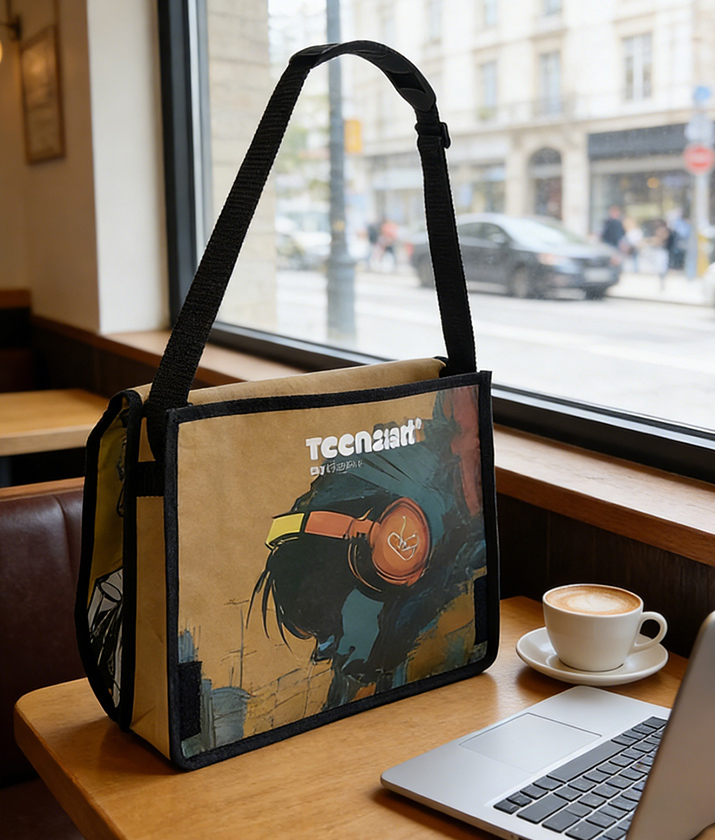

Non Woven Shopping Bags Replace Plastic Carriers
2026-05-08
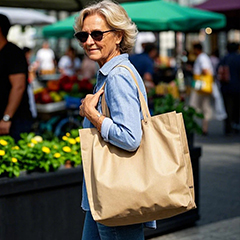
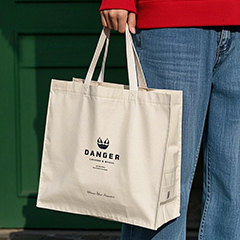
The non-woven shopping bag has become a common alternative to single-use plastic carriers in many communities. Unlike traditional woven fabrics, non-woven shopping bags are produced by bonding fibers together through mechanical, thermal, or chemical processes. This manufacturing method creates a fabric-like material that is durable, lightweight, and water-resistant. Shoppers in grocery stores, pharmacies, and clothing retailers often reach for non-woven shopping bags at checkout counters. The growing preference for reusable carriers has given non-woven shopping bags a visible role in everyday life. Many households now keep several non-woven shopping bags in their cars or near their front doors for routine errands.
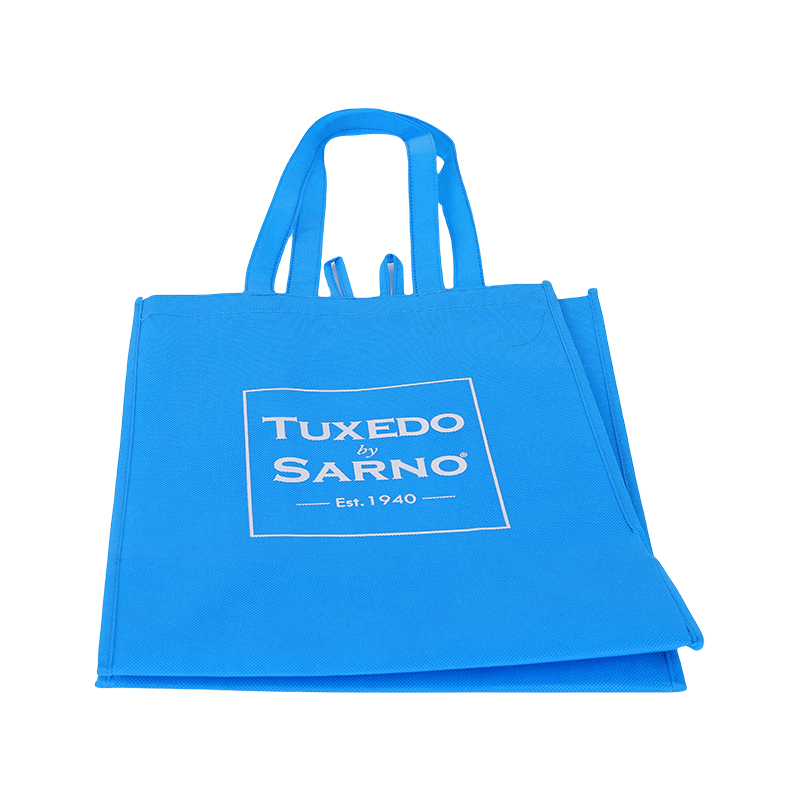
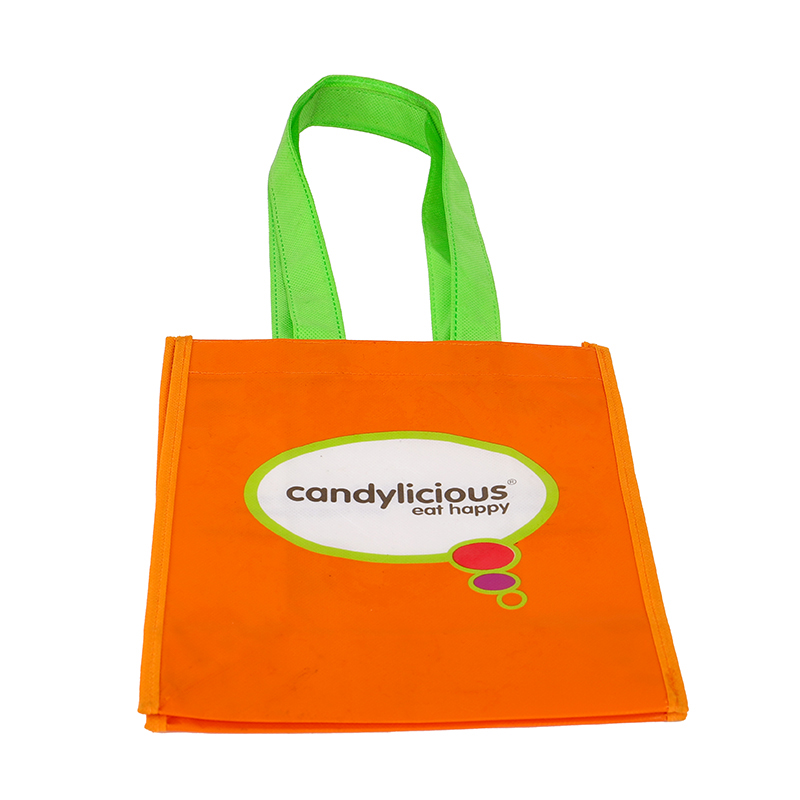
The production process for non-woven shopping bags begins with polypropylene fibers that are heated and pressed into sheets. These sheets form the base material of non-woven shopping bags, which can be cut and sewn into various shapes. Some non-woven shopping bags include reinforced handles and bottom panels to carry heavier loads. The material used in non-woven shopping bags resists tearing better than standard plastic films, allowing users to transport sharp-edged boxes or canned goods without concern. Unlike disposable plastic bags that may split under modest weight, non-woven shopping bags typically hold several kilograms without issue. After the contents are removed, a quick wipe cleans most non-woven shopping bags for the next trip. This reusability is a key reason non-woven shopping bags have gained acceptance among environmentally conscious consumers.
Retailers have observed changes in customer behavior since the introduction of non-woven shopping bags. Many stores now offer non-woven shopping bags at checkout for a modest fee, encouraging customers to bring their own on subsequent visits. Some regions have implemented policies that discourage single-use plastic bags, further boosting the visibility of non-woven shopping bags. Shoppers who forget their carriers often purchase non-woven shopping bags as a practical solution. Over time, these same customers develop the habit of keeping non-woven shopping bags in convenient locations. The durability of non-woven shopping bags means a single bag can serve a household for many months or even years. When non-woven shopping bags eventually show signs of wear, the material can be recycled through appropriate collection programs, though not all communities have such facilities.
The environmental profile of non-woven shopping bags has been studied from multiple angles. Producing non-woven shopping bags requires more energy and raw material than manufacturing a single plastic bag. However, the longer service life of non-woven shopping bags means fewer bags are needed over time. A household using non-woven shopping bags for a year may consume less plastic overall compared to using new plastic bags each week. In communities with bag fees or bans, the adoption of non-woven shopping bags has contributed to visible reductions in plastic bag litter in streets and waterways. These observations support the continued use of non-woven shopping bags as part of broader waste reduction strategies.
For everyday shopping trips, non-woven shopping bags offer a balance of convenience and practicality. They fold flat for storage, open easily at the checkout, and carry groceries safely to the car or home. Non-woven shopping bags are available in different sizes to suit various shopping needs, from small produce runs to large family grocery trips. As more people incorporate reusable bags into their routines, non-woven shopping bags will likely remain a familiar sight in checkouts and shopping carts. Their combination of utility and reusability makes non-woven shopping bags a sensible choice for modern retail environments.
Recommended Products