English
 русский
 Español





Non-Woven Tote Bags for Reusable Shopping
2026-05-01
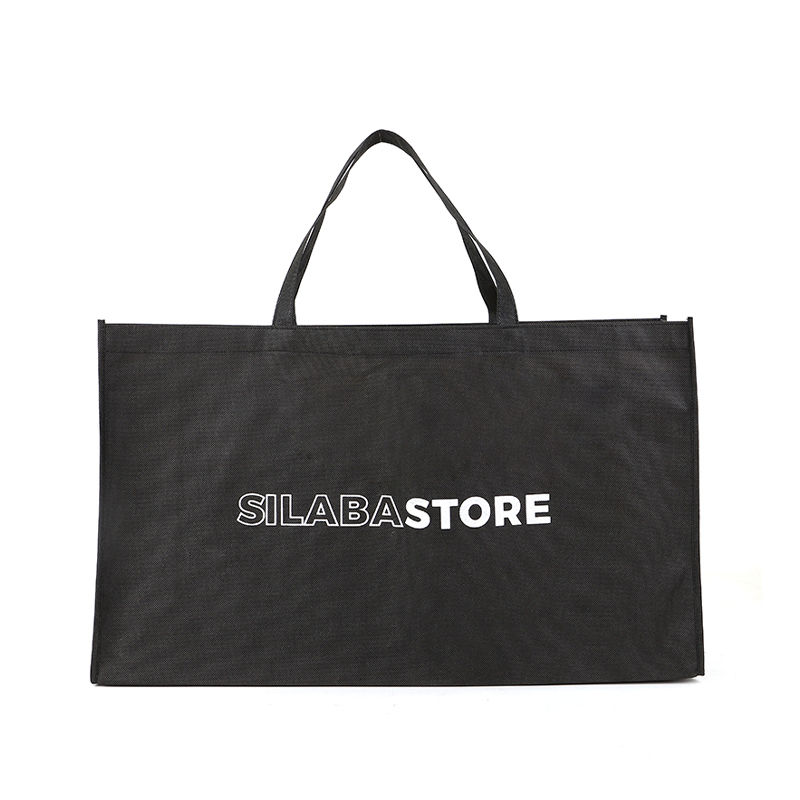
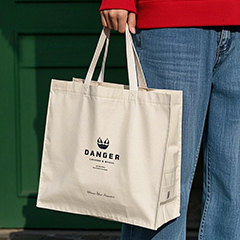
Non-woven tote bags have become a common sight in grocery stores and retail shops. A non-woven tote bag is made from polypropylene fabric bonded through heat and pressure. This material is not woven like traditional fabric but pressed together from fibers. A typical non-woven tote bag has a fabric weight between 70 and 120 grams per square meter. This weight provides adequate strength for carrying groceries or other goods.
The popularity of non-woven tote bags has grown as more regions restrict single-use plastic bags. Many retailers now offer non-woven tote bags at checkout counters. These bags serve as a paid alternative to disposable plastic carriers. A non-woven tote bag can be reused many times compared to a single-use plastic bag.
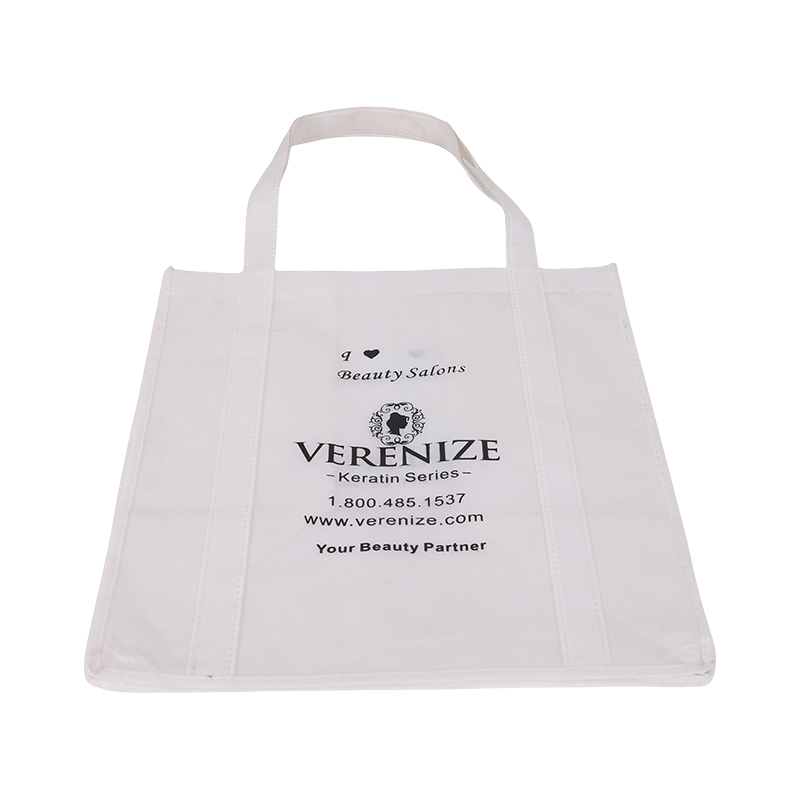
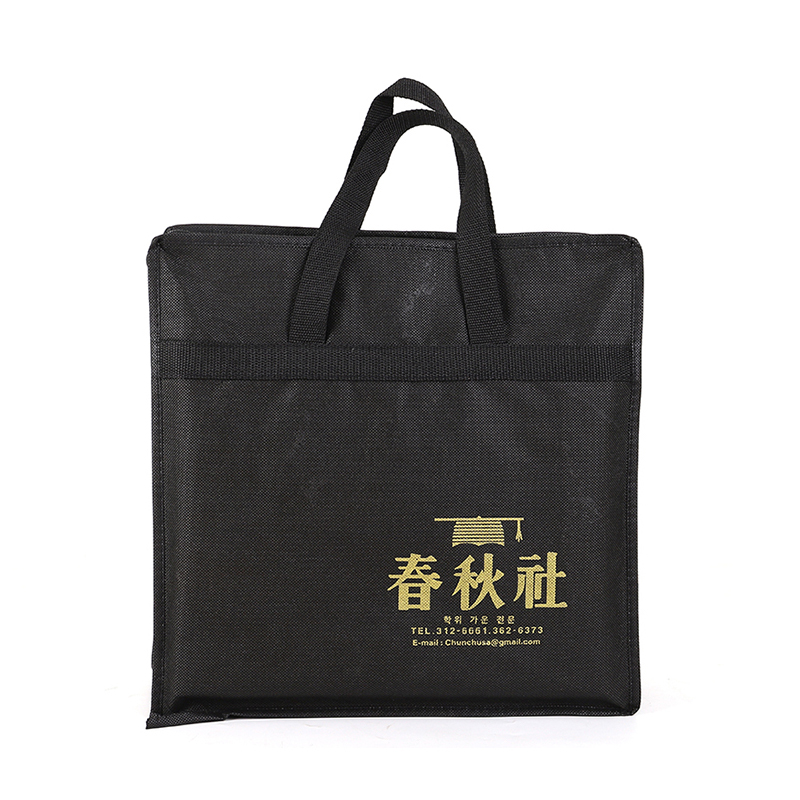
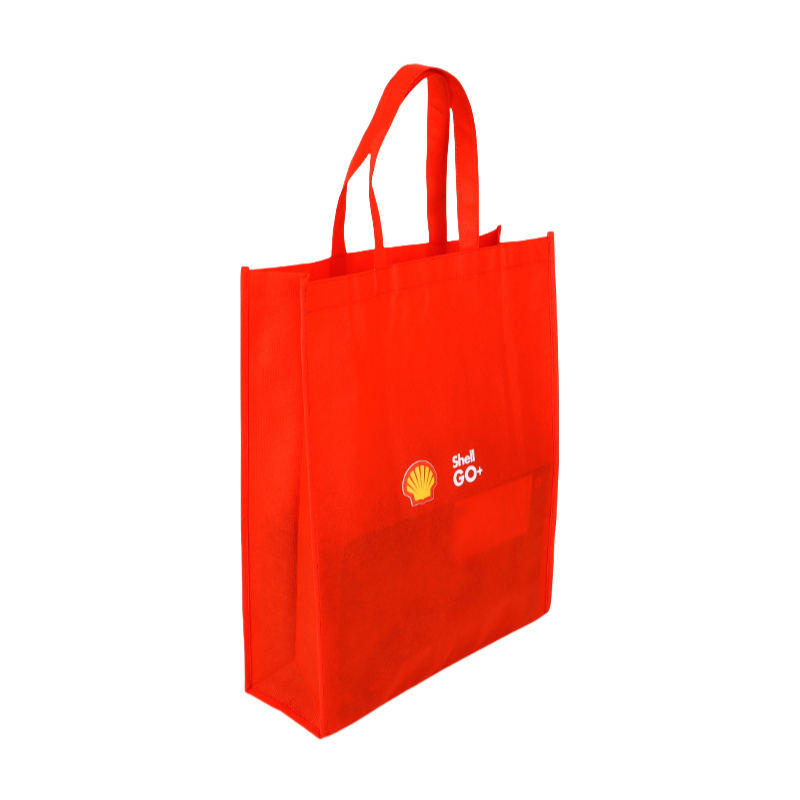
The construction of a non-woven tote bag involves cutting fabric into panels. The panels are then sewn or ultrasonic welded together at the edges. A standard non-woven tote bag includes a main body panel and two side gussets. Two handles are attached to the top edge of the bag. The handles on a non-woven tote bag are made from the same material as the body. They are folded and stitched for added strength.
Some non-woven tote bags have a reinforced bottom panel. This panel uses an extra layer of fabric or a cardboard insert. The reinforcement prevents sagging when heavy items are placed inside. The seams on a quality non-woven tote bag are double-stitched or heat-sealed. This prevents tearing at the stress points during use.
The size of a typical non-woven tote bag is about 40 centimeters wide. It stands 35 centimeters tall and is 15 centimeters deep when expanded. This size of non-woven tote bag can hold two to three times the volume of a standard plastic grocery bag.
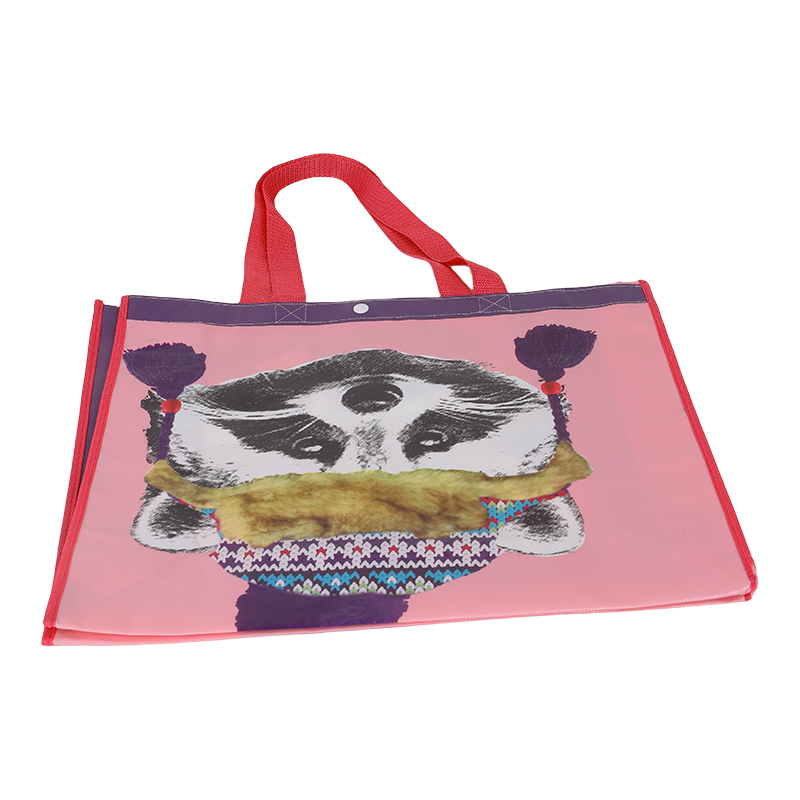
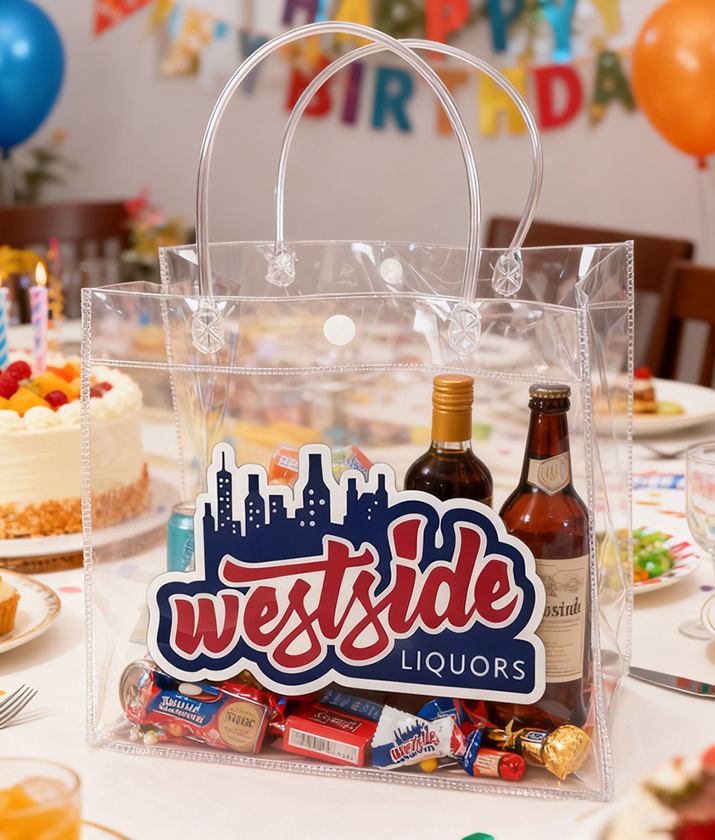
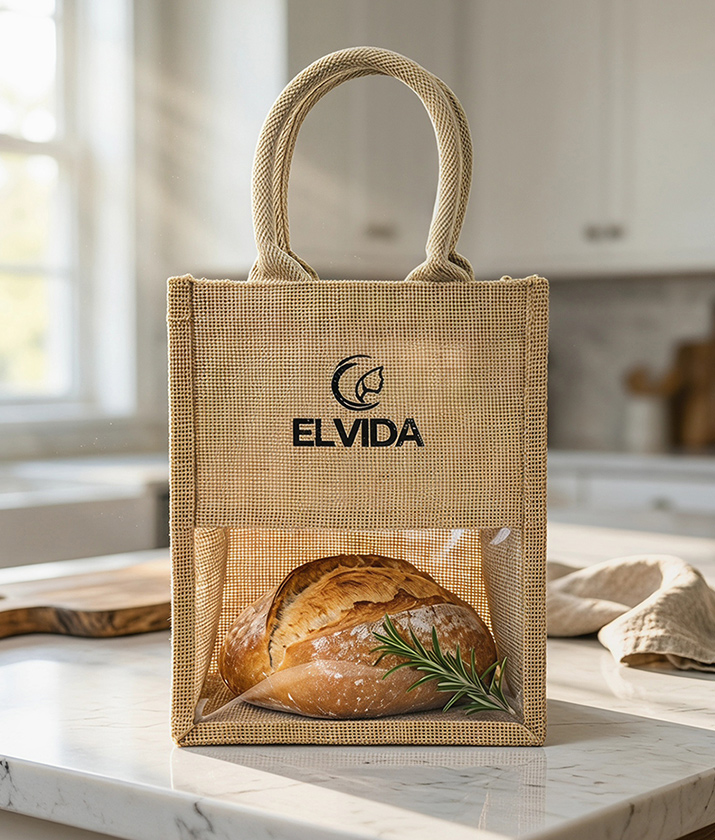
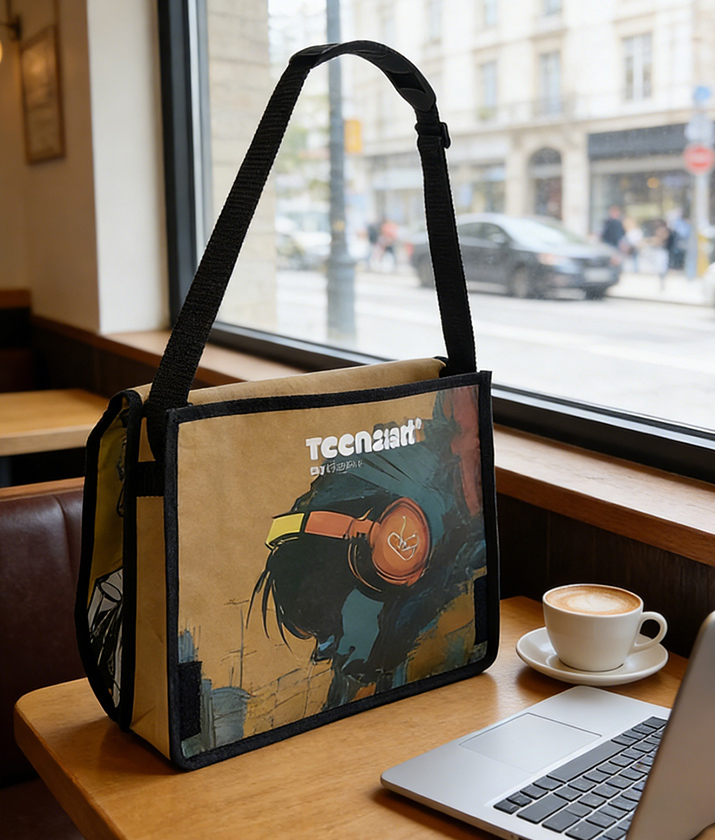
Printing on non-woven tote bags allows for logos and text to be applied. Screen printing is the common method for decorating non-woven tote bags. Ink is pushed through a mesh stencil onto the fabric surface. The ink bonds to the polypropylene fibers when dried. This creates a design that resists washing and abrasion. Heat transfer printing is another option for non-woven tote bags.
The durability of non-woven tote bags depends on fabric weight and construction. A non-woven tote bag with 80 grams per square meter fabric can carry 5 to 10 kilograms. The handles are the common failure point on a non-woven tote bag. This happens especially when the bag is overloaded or carried by one handle only.
A well-made non-woven tote bag can be reused 20 to 50 times. Signs of wear include pilling, thinning, or seam separation. The fabric of a non-woven tote bag is water-resistant but not waterproof. Light rain will not soak through quickly. Prolonged exposure to water can wet the contents inside.
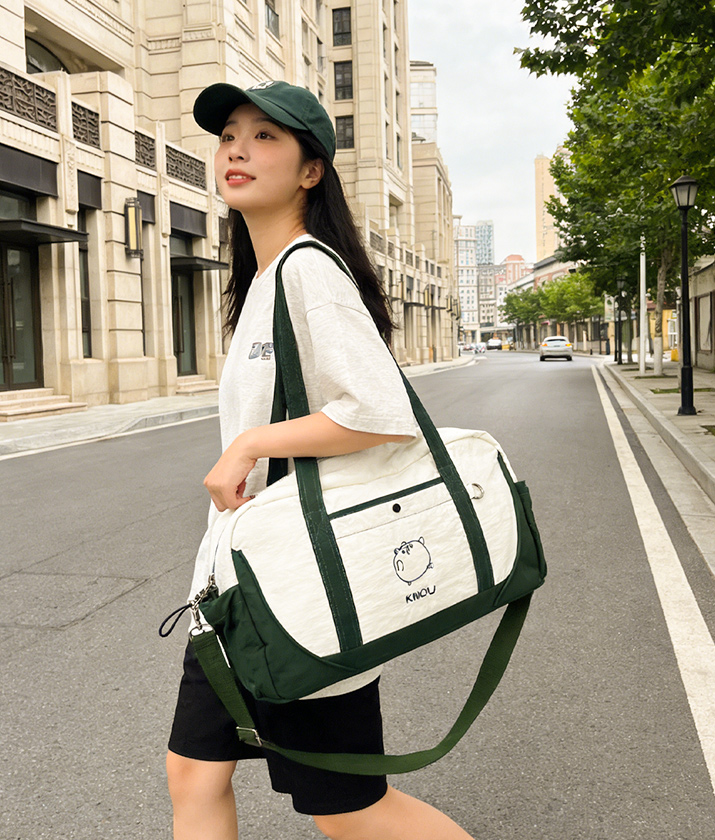
When not in use, a non-woven tote bag can be folded flat. It takes up little space in a drawer or car compartment. This lightweight nature encourages users to keep one handy for unexpected shopping trips. Non-woven tote bags continue to be selected by consumers who want an affordable reusable bag. The presence of non-woven tote bags in many retail environments reflects a shift away from single-use plastic carriers.
Recommended Products