English
 русский
 Español


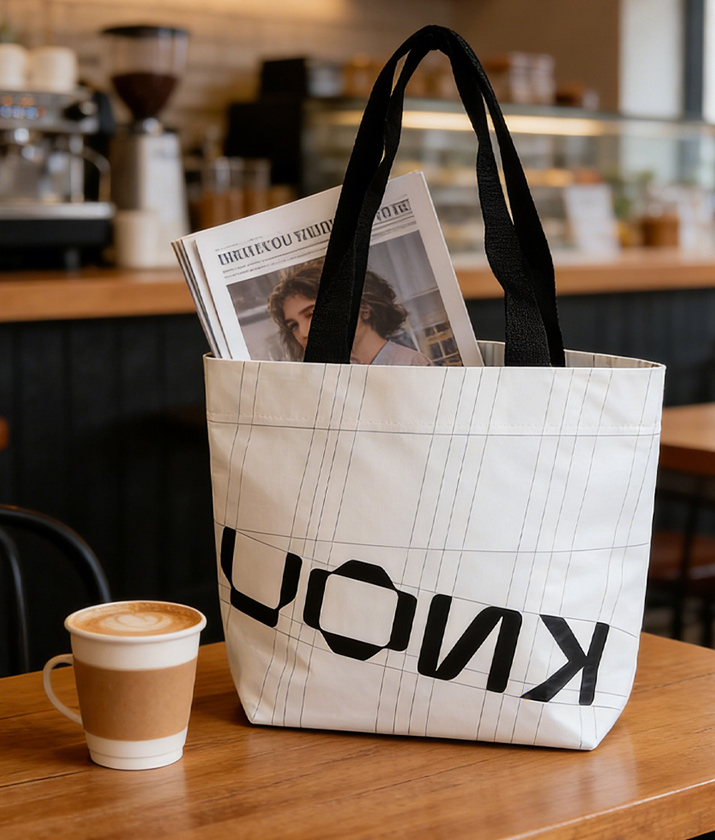
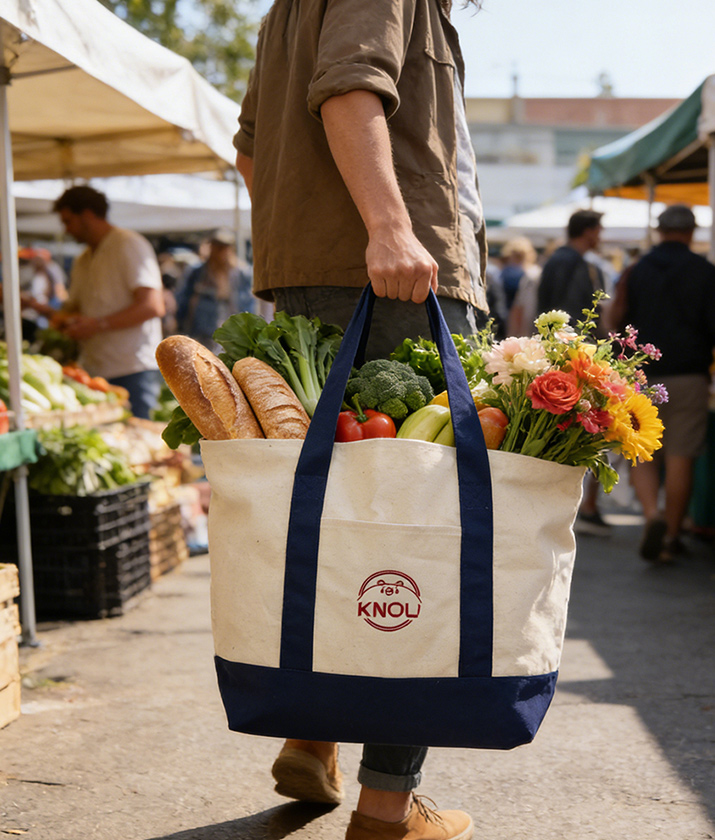
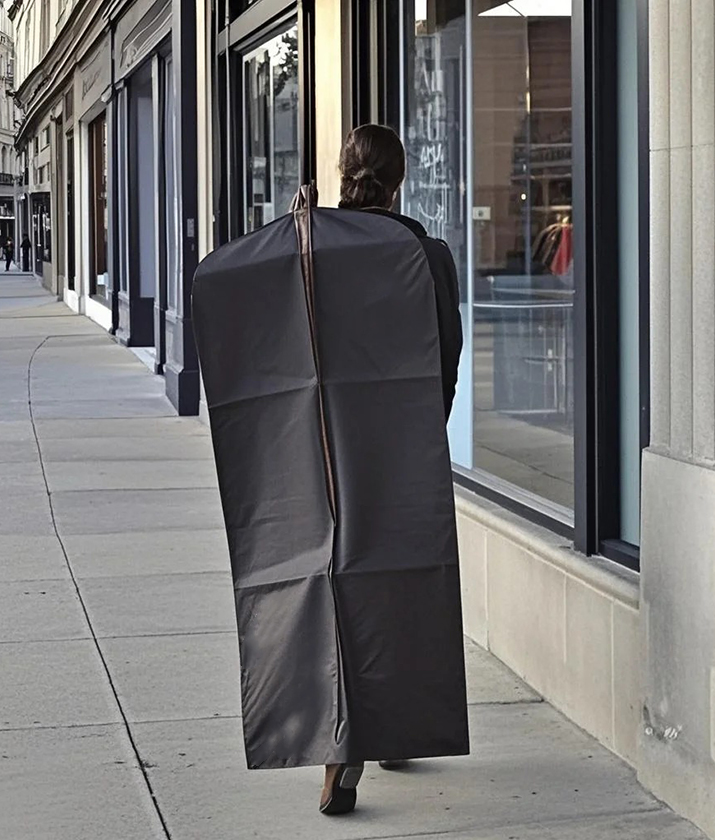
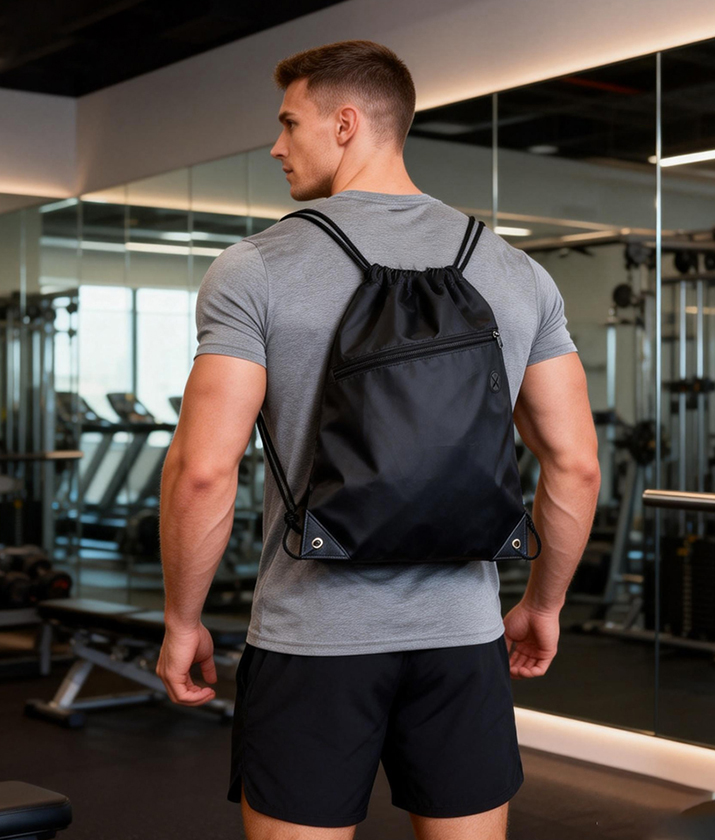
Product Category
- Non Woven Bags
- Cotton & Canvas Bags
- Garment Bag
- Drawstring Bag & Backpacks
-
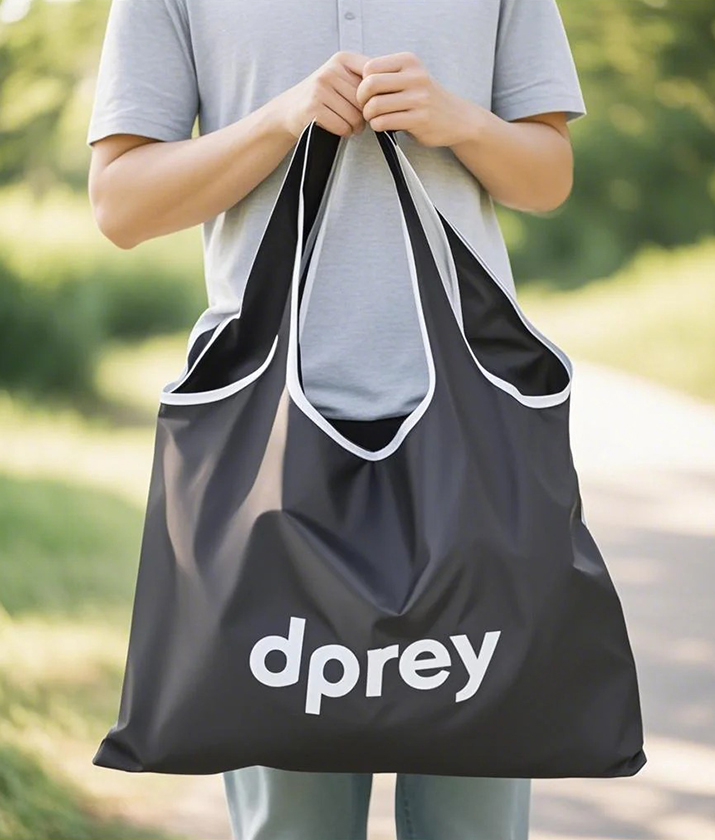
Foldable Polyester Shopping Bag
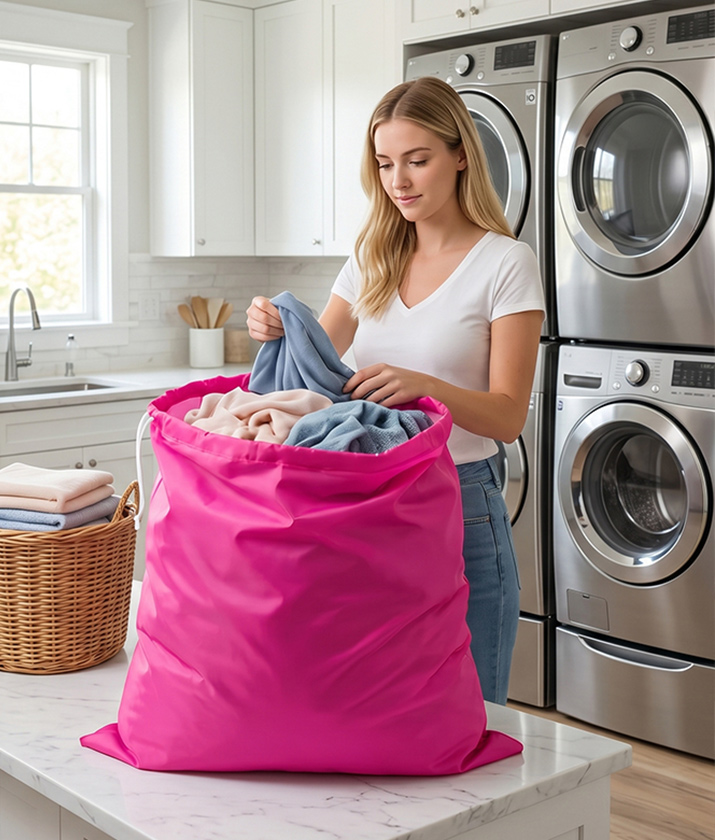
- Laundry Bags
-
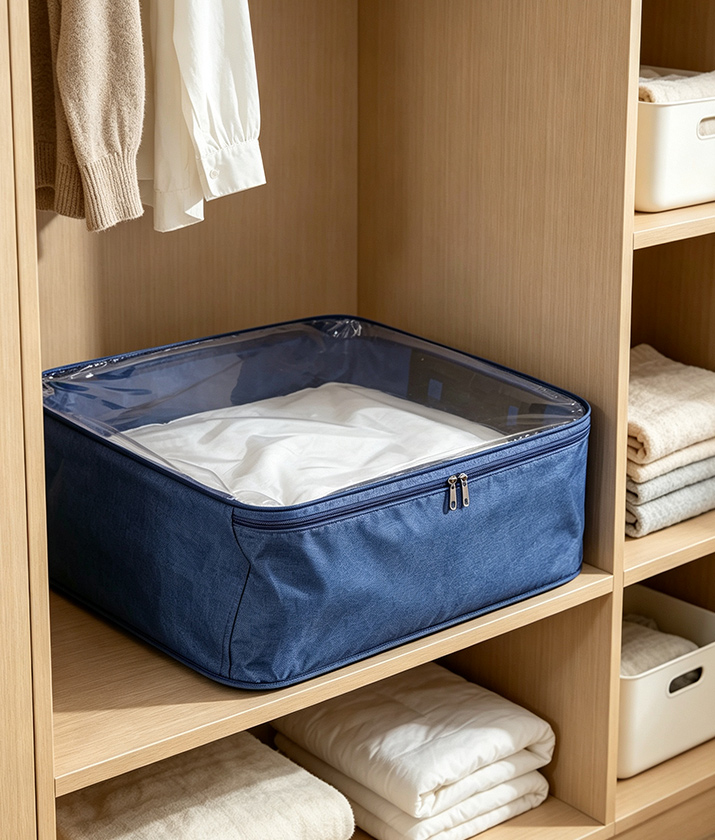
Bedding Storage Bags
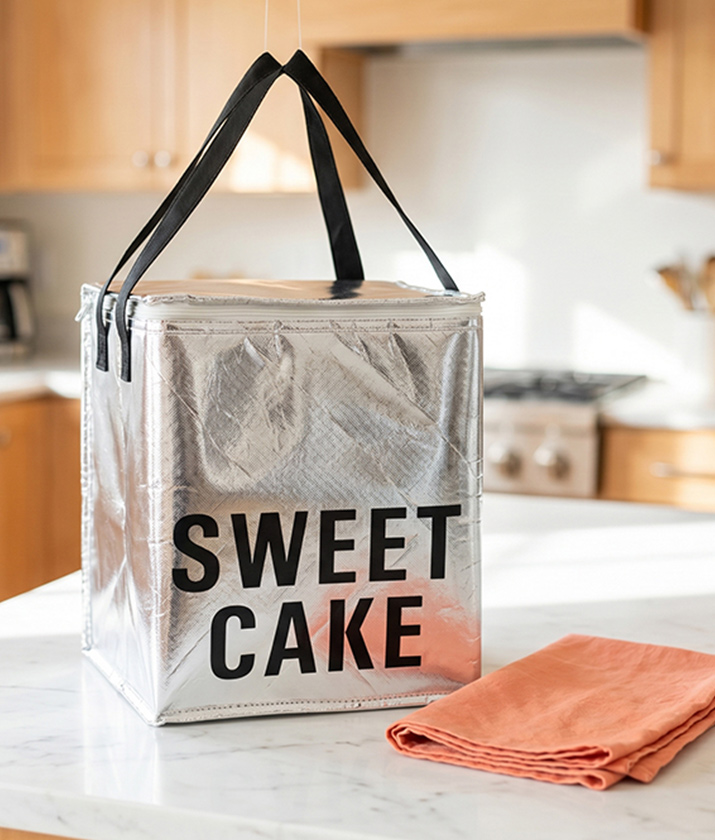
- Cooler Bags
- PVC Bag
-
Duffel Bag
- Aprons
-
Jute Tote Bag
-
Paper Bag
Contatc Us
Drawstring Shoe Bags
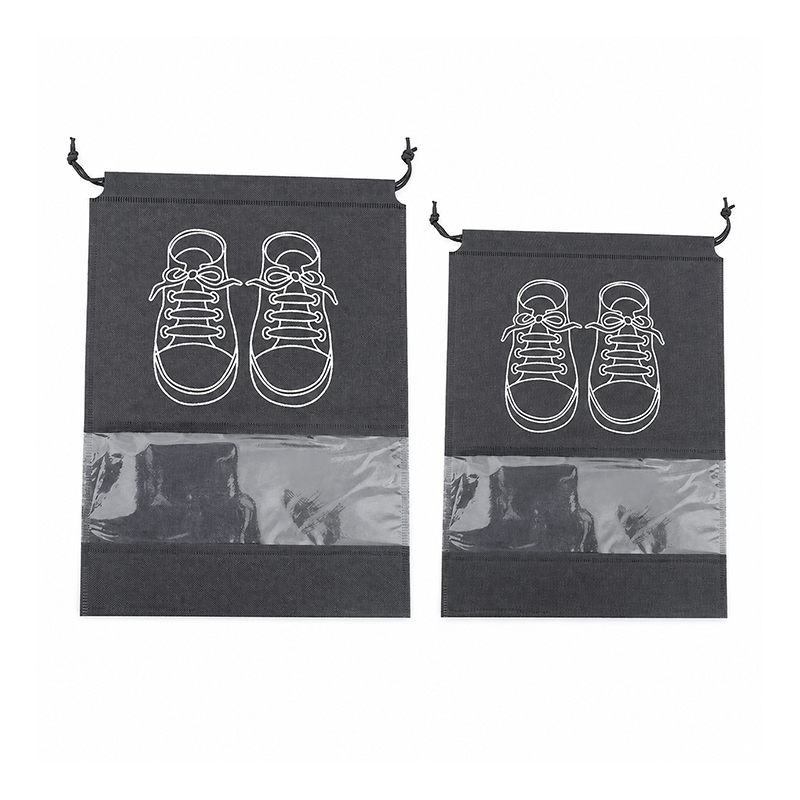
Drawstring shoe bags keep footwear separated from clothing and other belongings during travel, gym use, or closet storage — the non-woven fabric body stays breathable enough to handle shoes that carry dirt, moisture, and odor, while a clear PVC window lets contents be identified without opening the bag. A quick-cinch drawstring closure rounds out the format, built for fast one-handed packing rather than a zippered seal.
Wenzhou Xiangqun Bags Co, Ltd. manufactures this category with adjustable fabric color and weight, PVC window size and placement, printed branding, and set packaging (single units through multi-packs). The straightforward construction — fabric body, window, drawstring — makes it well suited to private label development, with sample approval through bulk production managed under consistent quality checks.
- Style Customization
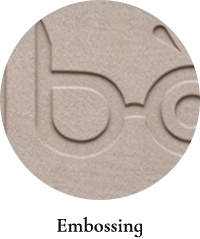
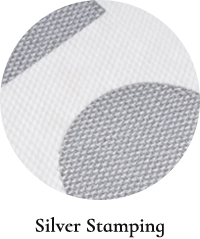
- Print Customization
- Material Customization
- Accessory Selection
- Additional Process Options Are Available


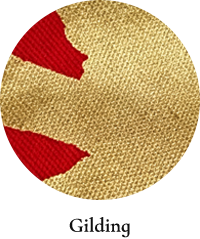
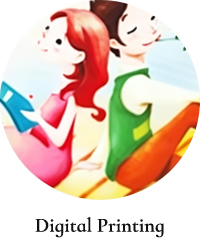
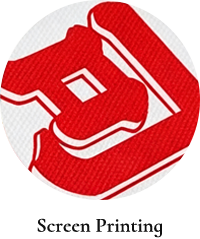
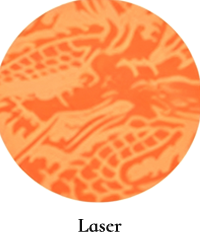
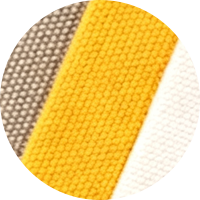 Cotton Fabric
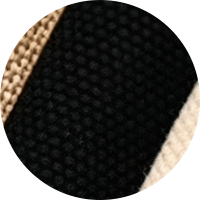 Canvas
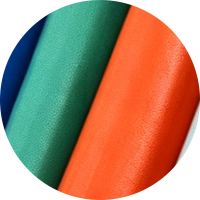 PU
PU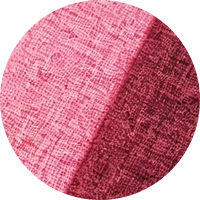 Colored Linen
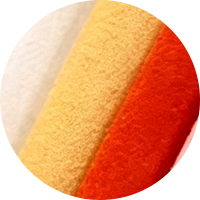 Superfine Leather
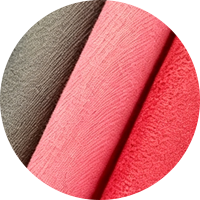 Peach Skin Velvet
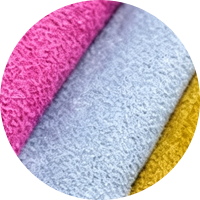 Deerskin Velvet
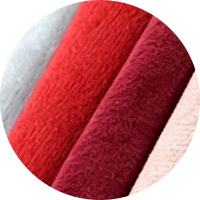 Lise Velvet
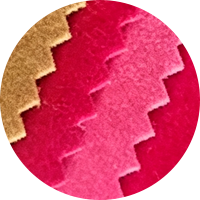 Flocked Fabric
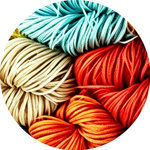 Wax Yellow
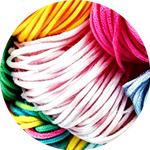 Korean Rope
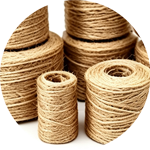 Hemp Rope
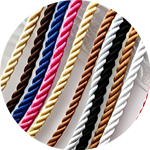 Three‑Strand Rope
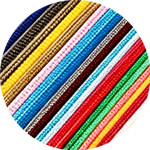 Nylon Rope
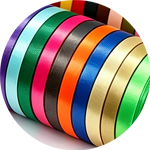 Ribbon
 Zipper
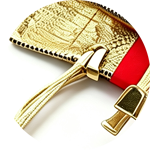 Hanging Buckle
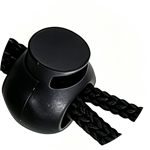 Spring Buckle
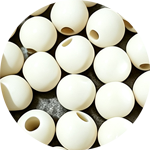 White Wood Beads
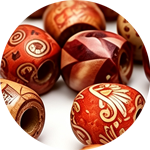 Printed Wooden Beads
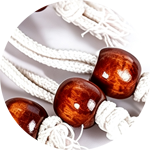 Dark Wood Beads
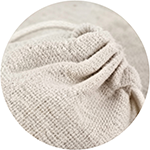 Pingkou
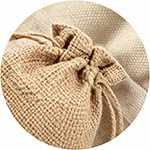 Lace
Lace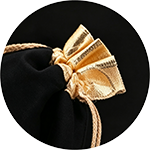 Spliced Gold Edge
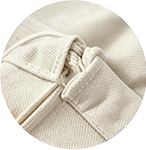 Fold The Two Corners In Half
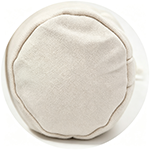 Round Base
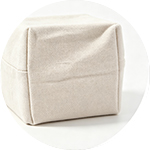 Square Base
Application Scenarios
Drawstring Shoe Bags serve several distinct use cases, and understanding these helps buyers position the product correctly for their target market:
-
Travel and business trips
-
Gym and fitness use
-
Home closet and shoe organization
-
Hospitality and hotel amenities
Why Choose Drawstring Shoe Bags
There are several practical reasons why wholesale buyers, distributors, and private label brands source drawstring shoe bags as a category:
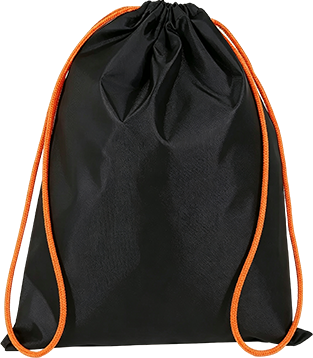
- Low unit cost, high perceived value Non-woven fabric construction keeps per-unit production costs low, while features like the PVC window and printed design (such as the shoe-outline graphic shown on this product) make the item look more thought-out and premium than a plain fabric pouch.
- Consistent, repeatable demand Shoe bags are a functional accessory tied to two large, stable markets — travel goods and home organization — both of which see steady year-round demand rather than being seasonal or trend-dependent.
- Easy to bundle and cross-sell Because shoe bags are frequently bought in multi-packs, they pair naturally with related categories such as luggage, packing cubes, garment bags, and general drawstring backpacks. Buyers already sourcing travel organization products can add shoe bags to round out a full packing system offering.
- Private label friendly Because the core construction is straightforward — fabric body, PVC window, drawstring closure, printed graphic — this category is well suited to private labeling. A buyer can differentiate on print design, fabric color, and packaging without needing to redesign the functional structure of the bag.
OEM/ODM Capabilities
We invite brand owners, trading companies, and travel or home organization retailers to bring their requirements for drawstring shoe bags to our team, and we'll work through the following cooperation formats together:
- OEM (Private Label) Production: Bags built exactly to the logo, color scheme, and dimensions the client supplies;
- ODM (Joint Development): If a client knows the target shoe type — sneakers, flats, or boots — and budget but hasn't settled on a PVC window size or fabric weight, our team can recommend an appropriate window placement, fabric grade, and printing combination;
- Packaging Customization: Outer carton, hang tag, and instruction card branding can be arranged alongside the bag production run;
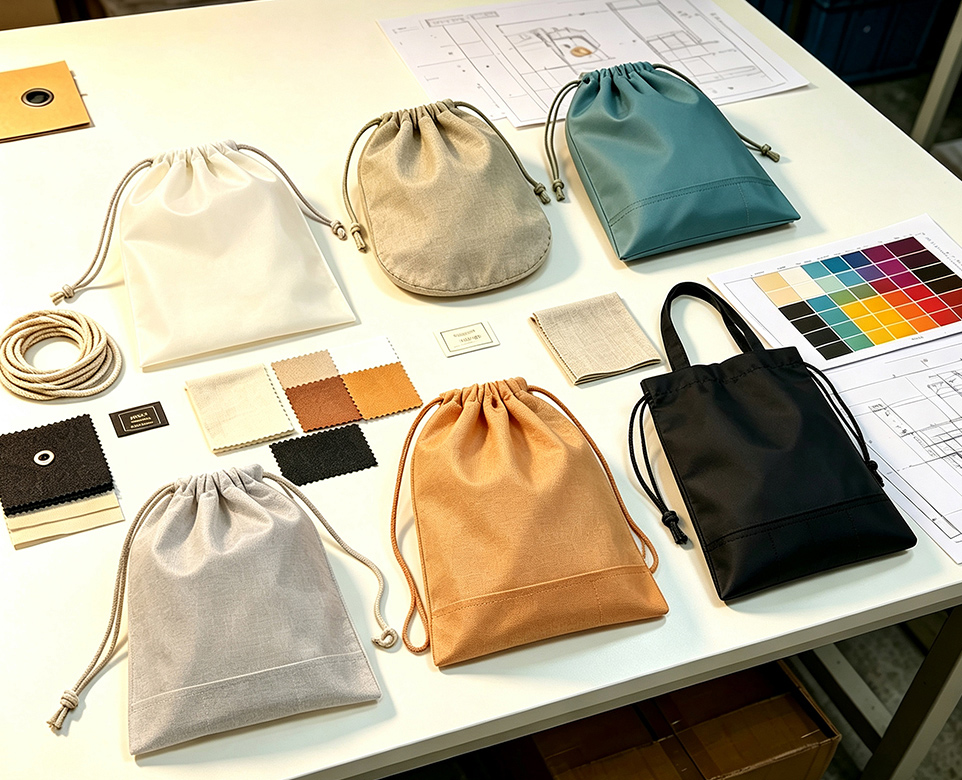
- Sample Prototyping Service: New clients can request a small trial batch to check fabric texture, PVC window clarity, and print quality before moving into bulk production;
- Mixed-Specification Orders: Suitable for clients who need multiple set sizes or colors within one order (MOQ and mixed-batch terms should be confirmed directly with our sales team).
Frequently Asked Questions
-
What is your minimum order quantity?
The minimum order quantity starts from 100 pieces. The exact MOQ may vary depending on the product size, material, printing and customization requirements.
-
How long is the production lead time?
The standard production lead time is approximately 7–15 days after the sample and order details are confirmed. The exact delivery time depends on the order quantity and customization requirements.
-
Do you provide design services?
Yes. We provide free design support, including logo placement, printing layout and basic product artwork adjustments according to your requirements.
-
Can you provide a sample before bulk production?
Yes. We provide free sample making so you can confirm the material, size, color, printing and workmanship before mass production.
-
Can I customize the logo, color, size and packaging?
Yes. We support OEM and ODM customization, including product size, material, color, logo printing, handle style, accessories and packaging.
-
How do you control product quality?
Every order undergoes strict quality inspection before shipment. Our QC team checks the material, dimensions, printing, stitching, accessories, quantity and packaging to ensure the products meet the confirmed requirements.