English
 русский
 Español


Product Category
- Non Woven Bags
- Cotton & Canvas Bags
- Garment Bag
- Drawstring Bag & Backpacks
-
Foldable Polyester Shopping Bag
- Laundry Bags
-
Bedding Storage Bags
- Cooler Bags
- PVC Bag
-
Duffel Bag
- Aprons
-
Jute Tote Bag
-
Paper Bag
Contatc Us
Insulated Takeaway Bag
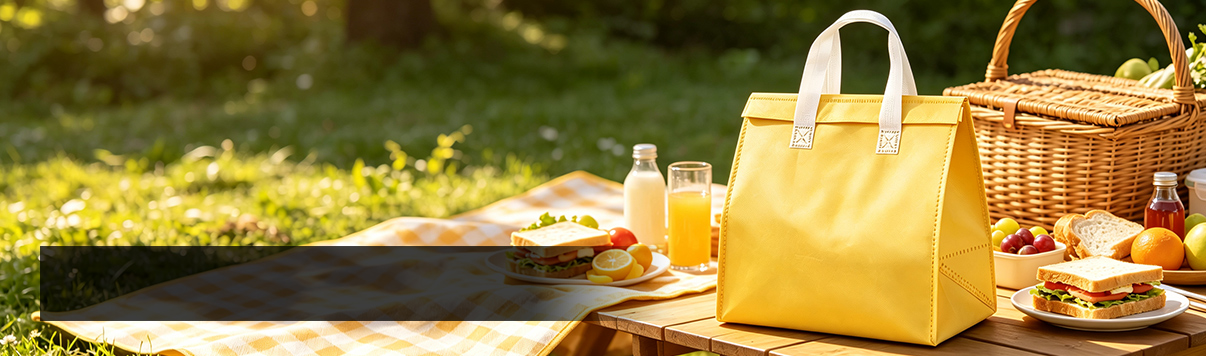
Insulated takeaway bags are designed for short-distance food transport where maintaining food temperature during delivery is the main requirement. The insulated inner lining — commonly aluminum foil or PEVA — helps reduce heat exchange, while the structured bag body, reinforced handles, and lightweight outer fabric provide the support needed for repeated restaurant and delivery use.
Restaurants, catering suppliers, and delivery operators usually select bag size based on order volume and carrying requirements, from compact single-meal bags to larger formats for multiple containers. Lining type, handle strength, and structural reinforcement are confirmed according to the delivery conditions, while printing and branding details are adjusted after the functional specifications are defined.
- Style Customization
- Print Customization
- Process Selection
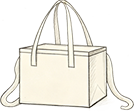
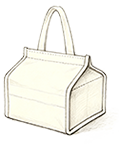
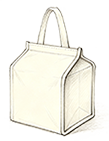
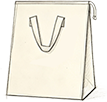

 Heat Transfer Printing
 Gold Stamp
 Embroidery Crafts
 Dye Sublimation
 Silk‑screen Printing
 Silver Printing
 Gold Printing
 Digital Printing
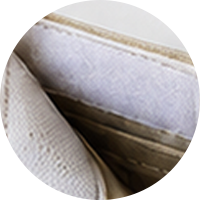 Velcro
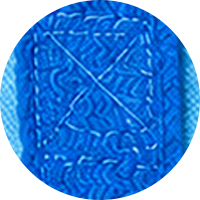 X Stitches
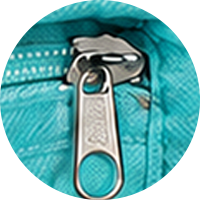 Zipper
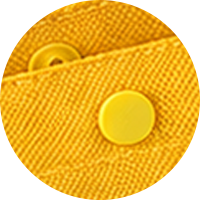 Button
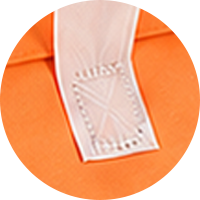 Hot Press Stitches
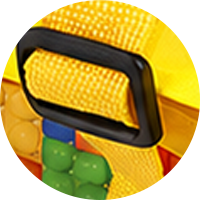 Buckle
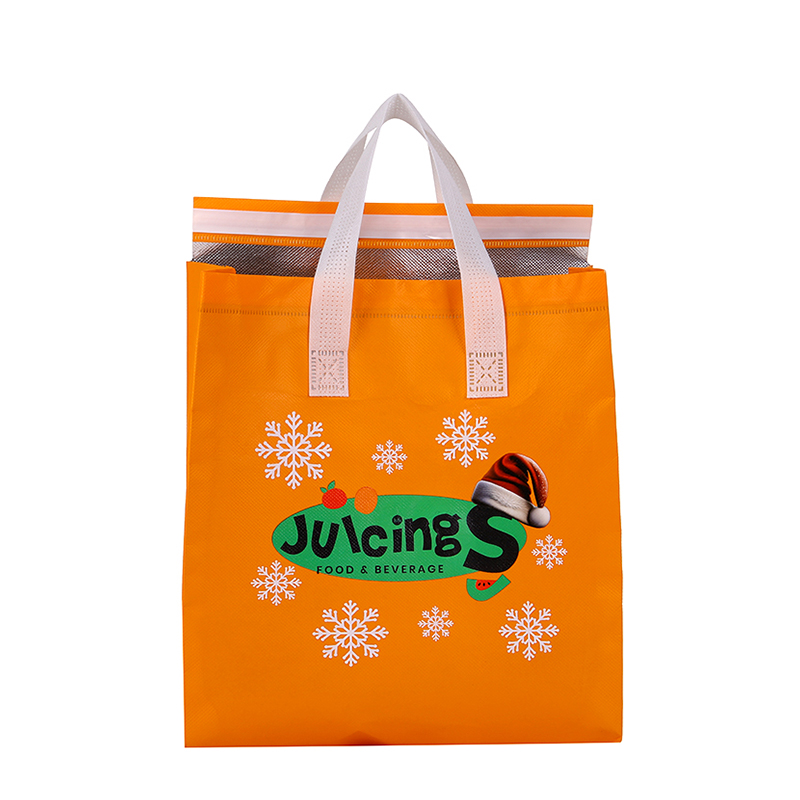
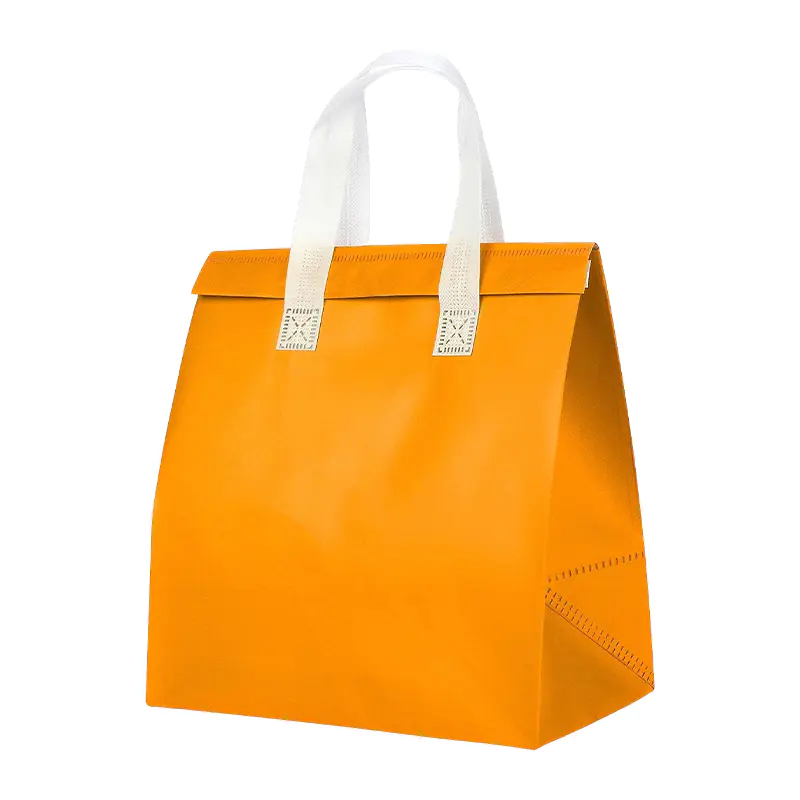
Application Scenarios
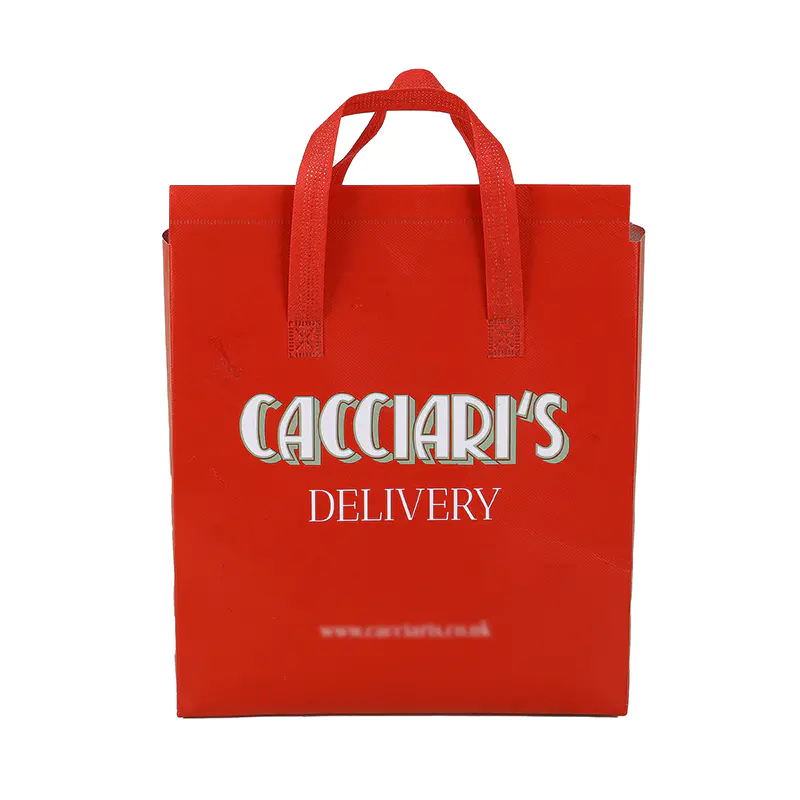
The real-world use cases for this category all share a common thread: food quality is on the line for a limited but critical stretch of time.
-
Restaurant and food delivery services
-
Beverage and juice retail
-
Catering and event food transport
-
Grocery and meal-kit delivery
-
Bakery and dessert delivery
-
Third-party delivery platforms
Why Choose Insulated Takeaway Bag
The purchasing logic here is fairly direct, and worth laying out plainly rather than in vague terms:
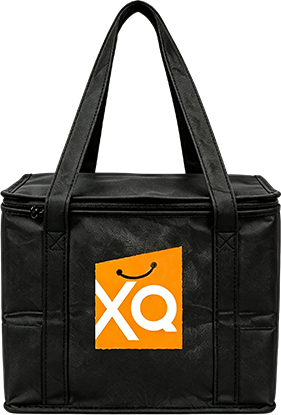
- Food quality complaints have a real cost For restaurants and delivery services, the incremental cost of an insulated bag over a plain paper or plastic bag is small compared to the cost of losing repeat customers over a bad delivery experience.
- Reusable design lowers long-term packaging cost Unlike single-use paper bags, a structured non-woven insulated bag can survive many delivery cycles when used by an in-house delivery team, reducing per-order packaging cost over time for businesses running frequent deliveries.
- Stackability supports higher order volume per trip The structured, upright shape allows multiple bags or orders to be stacked or arranged efficiently in a delivery vehicle or on a bike, which matters for businesses trying to maximize deliveries per driver trip.
- Size and color range support multi-brand or multi-product operations Because the same core construction comes in a wide range of colors and sizes, restaurant groups operating multiple brands or product lines can use a consistent bag structure while differentiating by color and print for each concept.
OEM/ODM Capabilities
We invite brand owners, trading companies, and restaurants or delivery platforms to bring their requirements for insulated takeaway bags to our team, and we'll work through the following cooperation formats together:
- OEM (Private Label) Production: Bags built exactly to the logo, color scheme, and dimensions the client supplies;
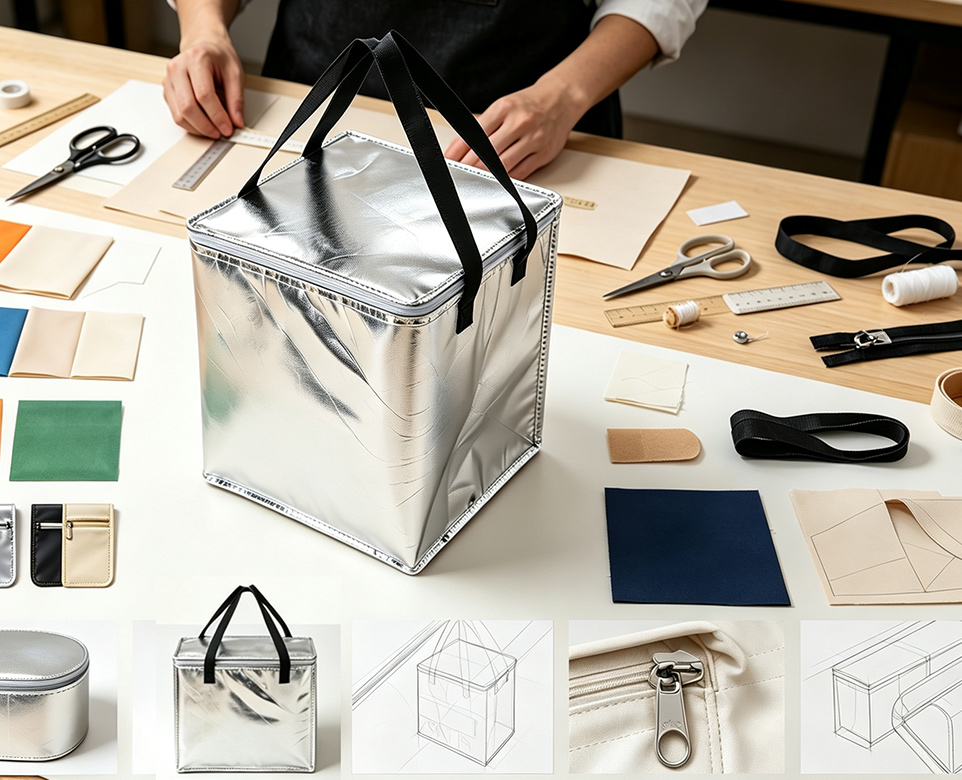
- ODM (Joint Development): If a client knows the intended food type and delivery method but hasn't settled on a lining coverage or closure style, our team can recommend an appropriate insulation thickness, handle style, and printing combination;
- Packaging Customization: Outer carton, hang tag, and instruction card branding can be arranged alongside the bag production run;
- Sample Prototyping Service: New clients can request a small trial batch to check insulation performance, handle strength, and print quality before moving into bulk production;
- Mixed-Specification Orders: Suitable for clients who need multiple sizes or colors within one order — useful for restaurant groups running several brands (MOQ and mixed-batch terms should be confirmed directly with our sales team).
Frequently Asked Questions
-
What is your minimum order quantity?
The minimum order quantity starts from 100 pieces. The exact MOQ may vary depending on the product size, material, printing and customization requirements.
-
How long is the production lead time?
The standard production lead time is approximately 7–15 days after the sample and order details are confirmed. The exact delivery time depends on the order quantity and customization requirements.
-
Do you provide design services?
Yes. We provide free design support, including logo placement, printing layout and basic product artwork adjustments according to your requirements.
-
Can you provide a sample before bulk production?
Yes. We provide free sample making so you can confirm the material, size, color, printing and workmanship before mass production.
-
Can I customize the logo, color, size and packaging?
Yes. We support OEM and ODM customization, including product size, material, color, logo printing, handle style, accessories and packaging.
-
How do you control product quality?
Every order undergoes strict quality inspection before shipment. Our QC team checks the material, dimensions, printing, stitching, accessories, quantity and packaging to ensure the products meet the confirmed requirements.