English
 русский
 Español


Product Category
- Non Woven Bags
- Cotton & Canvas Bags
- Garment Bag
- Drawstring Bag & Backpacks
-
Foldable Polyester Shopping Bag
- Laundry Bags
-
Bedding Storage Bags
- Cooler Bags
- PVC Bag
-
Duffel Bag
- Aprons
-
Jute Tote Bag
-
Paper Bag
Contatc Us
Insulated Bag
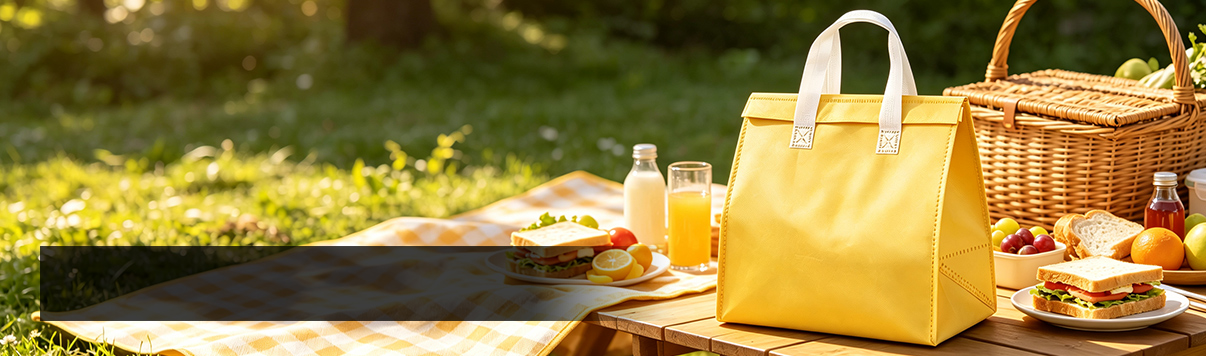
We manufacture insulated bags for bakeries, florists, caterers, retailers, and corporate gifting buyers, with OEM/ODM support from initial design through bulk production.
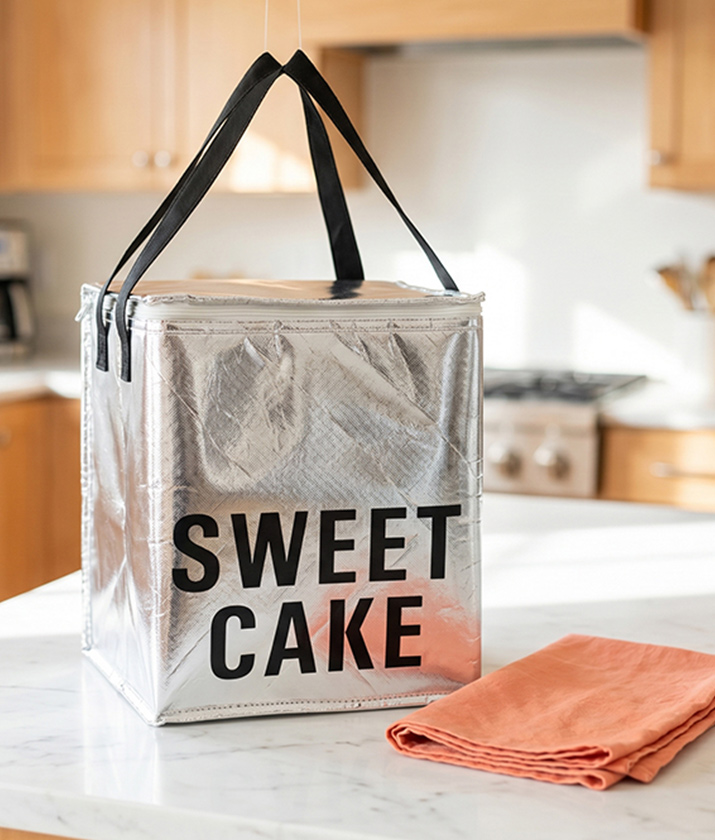
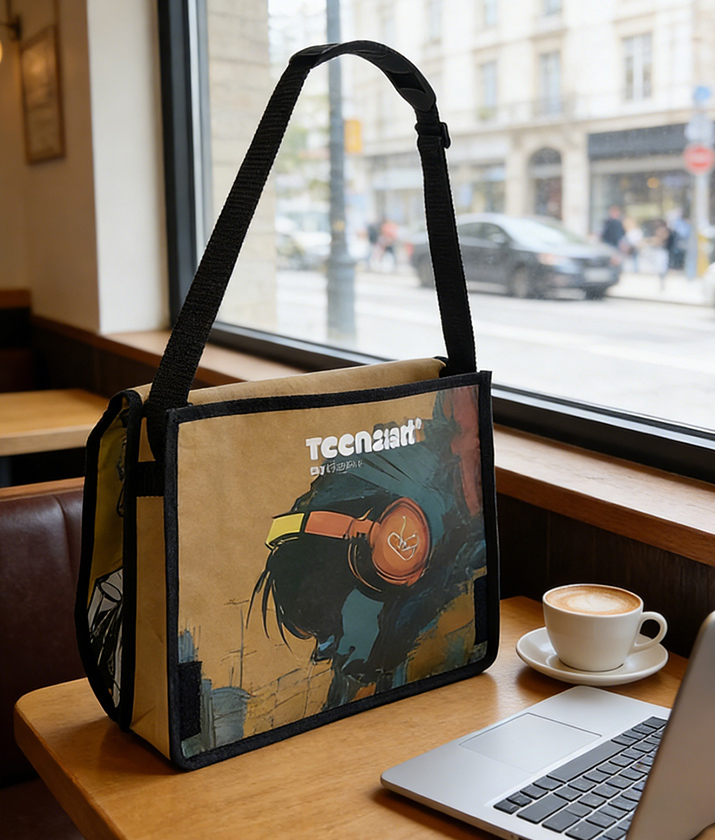
Each bag pairs a reflective foil interior with durable exterior fabric, sealed by a full zipper closure that holds temperature more consistently than an open-top design. Many styles hold a structured cube shape to protect cakes, floral arrangements, and other delicate goods from crushing, and the exterior supports full-surface, photographic-quality printing for brands that want the bag to double as a design piece.
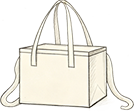
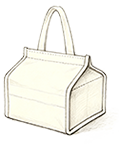
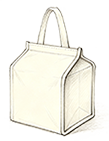
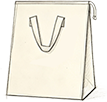
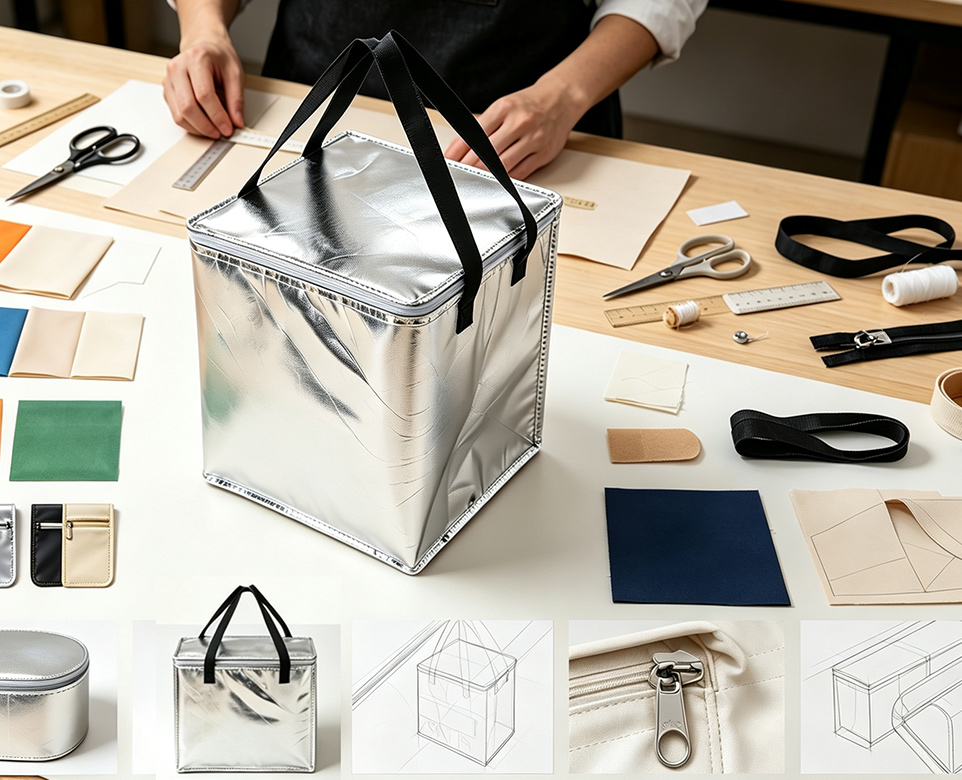
Handle style, bag shape and size, printing, lining coverage, and closure hardware are all open to customization, with free sampling available before your order moves into production.
- Style Customization
- Print Customization
- Process Selection

 Heat Transfer Printing
 Gold Stamp
 Embroidery Crafts
 Dye Sublimation
 Silk‑screen Printing
 Silver Printing
 Gold Printing
 Digital Printing
 Velcro
 X Stitches
 Zipper
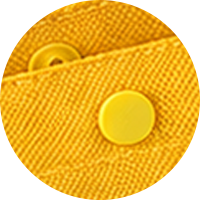 Button
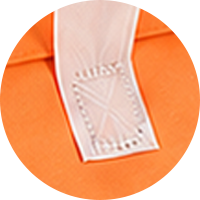 Hot Press Stitches
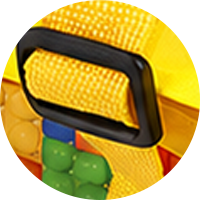 Buckle
Product Showcase
-
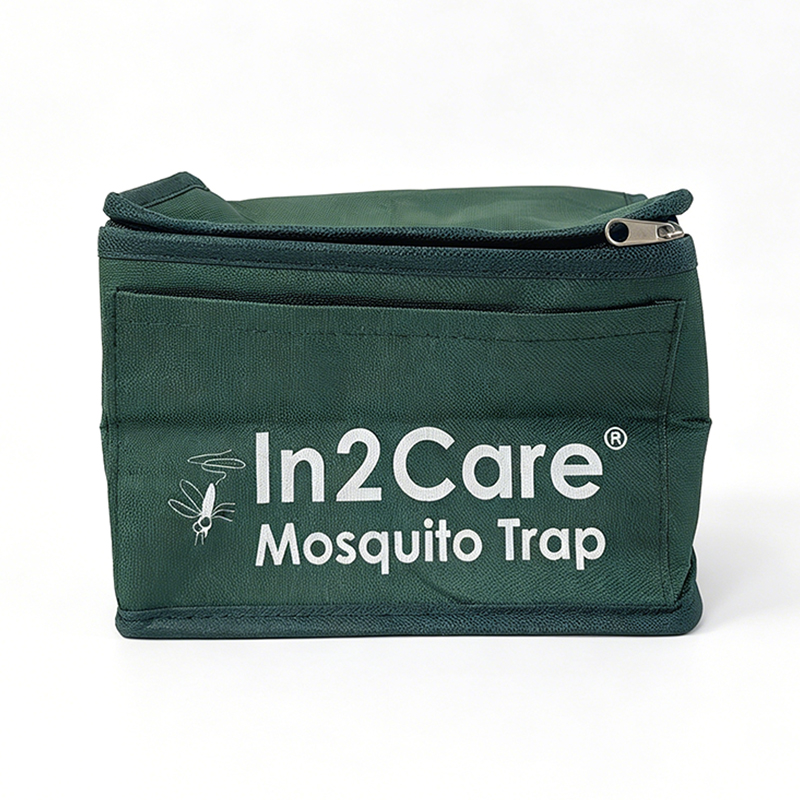
Mini Cooler Bag with Long Shoulder Strap and Aluminum Foil Lining
-
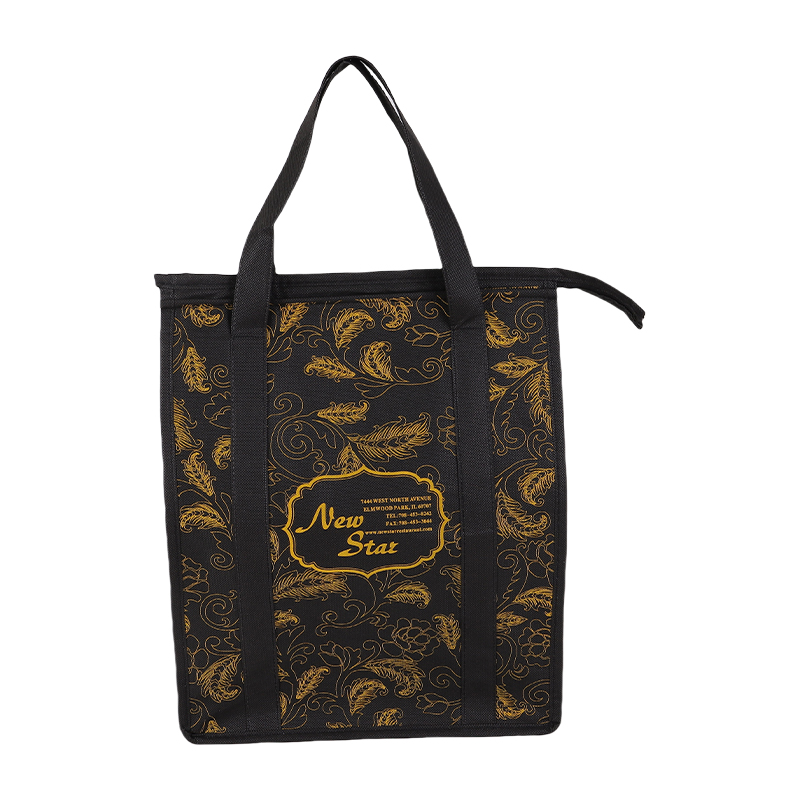
Small Cooler Tote Bag with Full-Length Zipper Opening
-
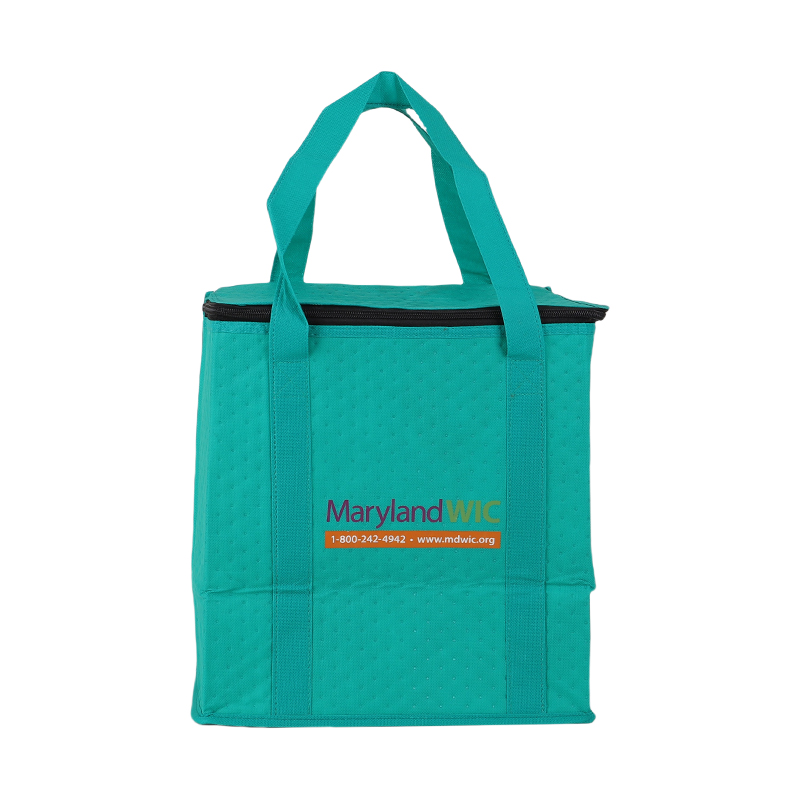
Foldable Insulated Delivery Bag with Large Capacity for Food Delivery
-
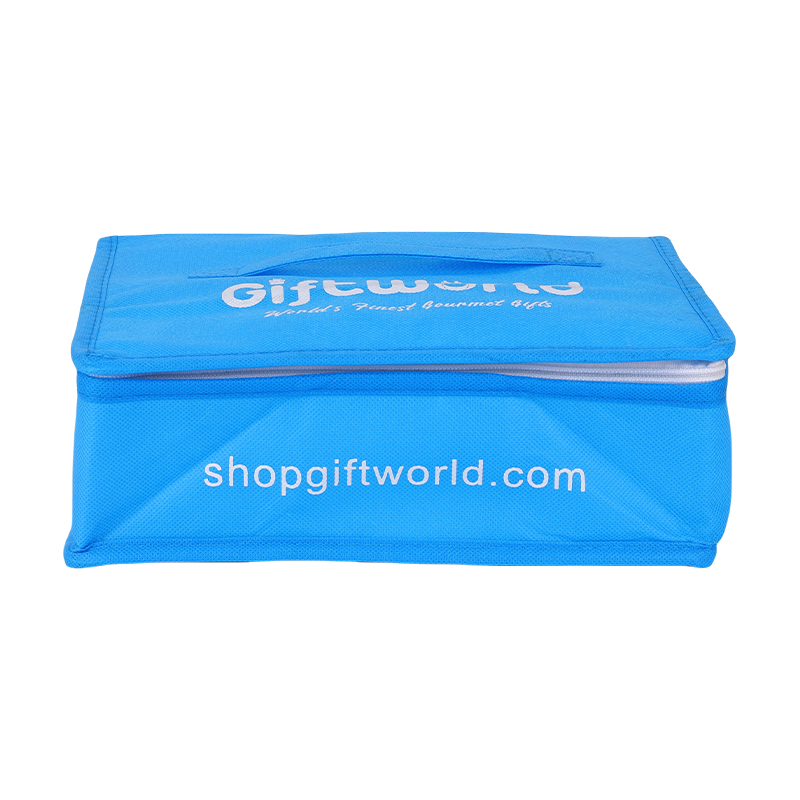
Waterproof Soft Cooler Bag with Shallow Flat Design
-
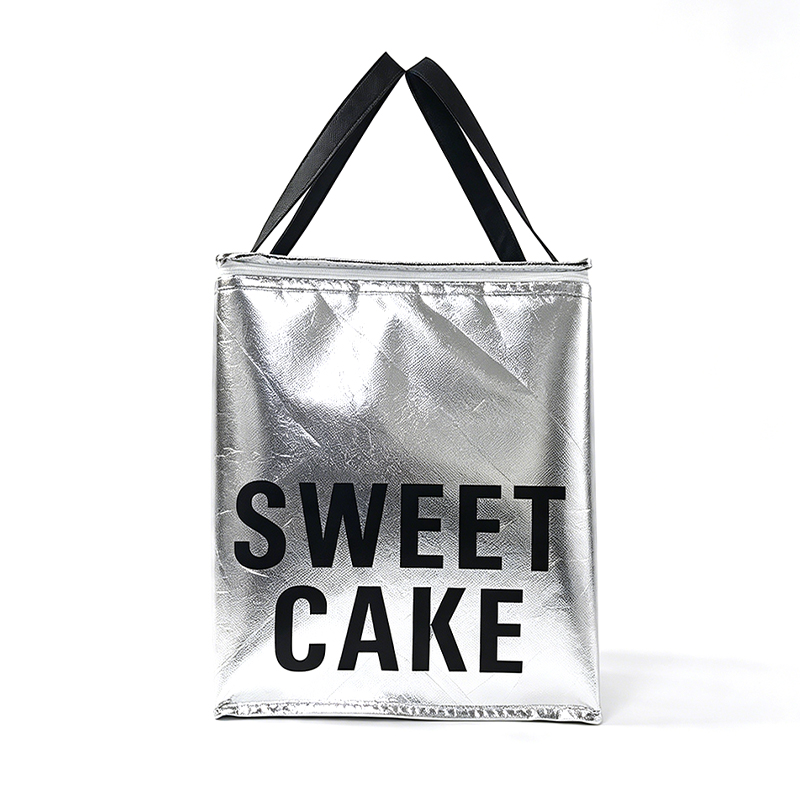
Thermal Freezer Bag with Full Aluminum Foil Construction for Cakes
-
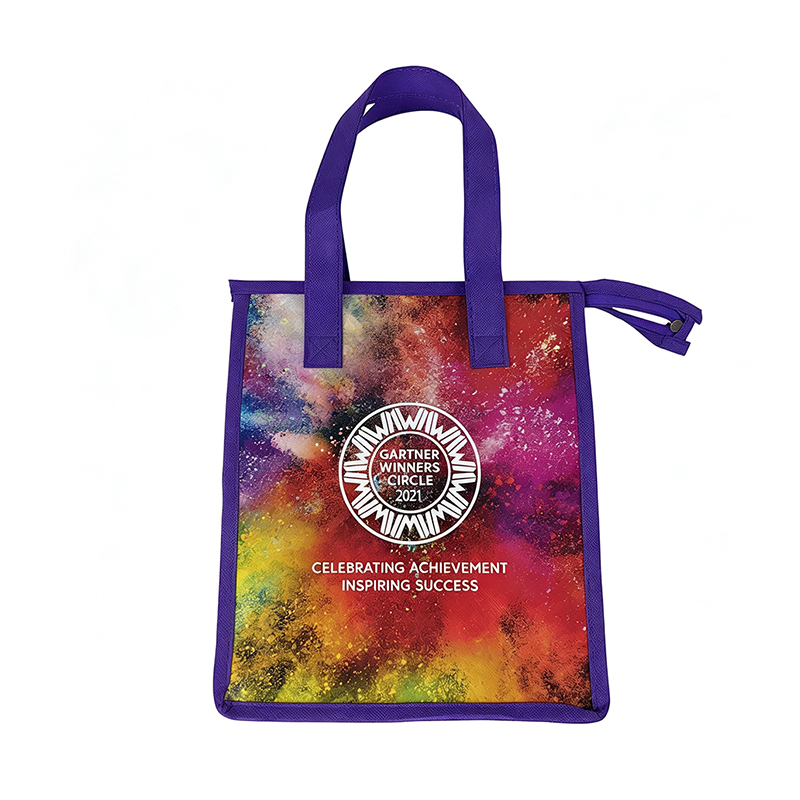
Custom Printed Cooler Bags with Full-Color Laminated Surface
-
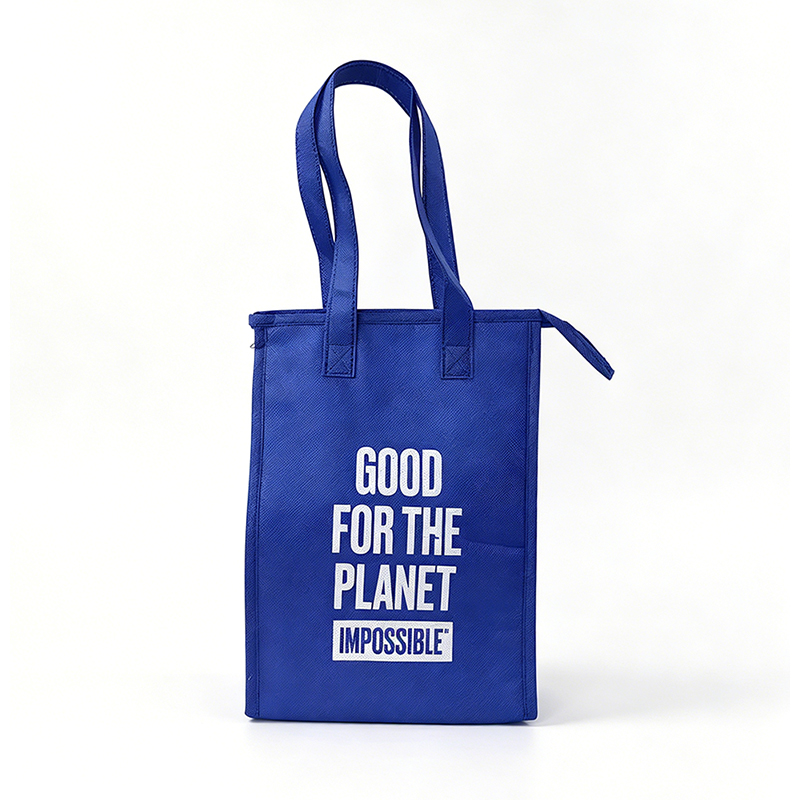
Small Cooler Bag for Food with Silk-Screen Printed Logo
-
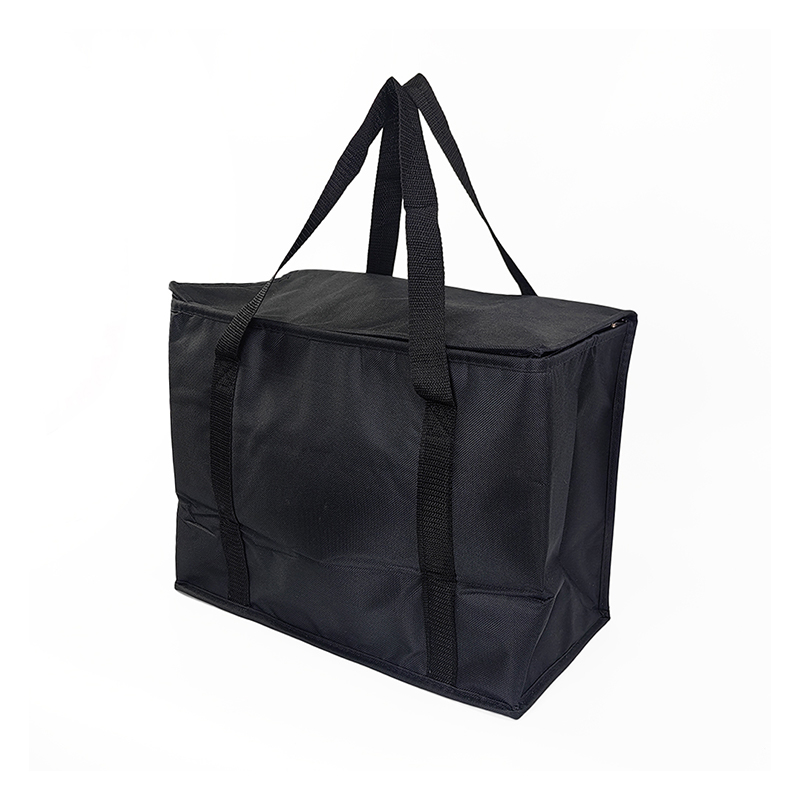
Oxford Insulated Cooler Bag with Removable Bottom Board
Application Scenarios
-
Bakery, cake, and dessert delivery
-
Floral delivery and event services
-
Corporate gifting and promotional giveaways
-
Personal meal prep and lunch carrying
-
Retail and grocery cold-item carrying
-
Catering and small-batch food transport
Why Choose Insulated Bag
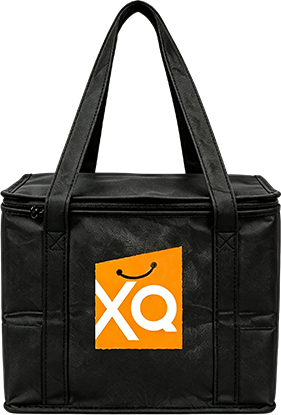
- Better containment for irregular or delicate contents A full zipper closure and rigid structure make this category the safer choice for anything that shouldn't shift, tip, or get crushed during transport — cakes, flowers, or specialty products, unlike the faster but less secure fold-top design used in takeaway bags.
- Carrying flexibility matches diverse business needs Because handle style isn't fixed to one format, buyers can choose an adjustable shoulder strap for hands-free delivery routes, or dual handles for quick in-and-out grocery or retail use — letting the same core product serve multiple business models.
- Longer usable lifespan drives better cost-per-use The sturdier, zippered construction tends to hold up to repeated use better than a simpler open-top bag, which matters for buyers using the bag as an ongoing operational tool rather than a single-use delivery item.
- Strong fit for premium branding Because the exterior supports full-color, photographic-quality printing, this category works well for buyers who want the bag itself to look like a designed product — not just a functional carrier with a logo slapped on — which is part of why it performs well as a corporate gift or promotional item.
OEM/ODM Capabilities
We invite brand owners, trading companies, and bakeries, florists, or corporate gifting programs to bring their requirements for insulated bags to our team, and we'll work through the following cooperation formats together:
- OEM (Private Label) Production: Bags built exactly to the logo, color scheme, and dimensions the client supplies;
- ODM (Joint Development): If a client knows the intended contents — cakes, flowers, or promotional gifts — and budget but hasn't settled on a shape or handle style, our team can recommend an appropriate structure, closure hardware, and printing combination;
- Packaging Customization: Outer carton, hang tag, and instruction card branding can be arranged alongside the bag production run;
- Sample Prototyping Service: New clients can request a small trial batch to check bag structure, insulation lining, and print quality before moving into bulk production;
- Mixed-Specification Orders: Suitable for clients who need multiple shapes, handle styles, or colors within one order (MOQ and mixed-batch terms should be confirmed directly with our sales team).
Frequently Asked Questions
-
What is your minimum order quantity?
The minimum order quantity starts from 100 pieces. The exact MOQ may vary depending on the product size, material, printing and customization requirements.
-
How long is the production lead time?
The standard production lead time is approximately 7–15 days after the sample and order details are confirmed. The exact delivery time depends on the order quantity and customization requirements.
-
Do you provide design services?
Yes. We provide free design support, including logo placement, printing layout and basic product artwork adjustments according to your requirements.
-
Can you provide a sample before bulk production?
Yes. We provide free sample making so you can confirm the material, size, color, printing and workmanship before mass production.
-
Can I customize the logo, color, size and packaging?
Yes. We support OEM and ODM customization, including product size, material, color, logo printing, handle style, accessories and packaging.
-
How do you control product quality?
Every order undergoes strict quality inspection before shipment. Our QC team checks the material, dimensions, printing, stitching, accessories, quantity and packaging to ensure the products meet the confirmed requirements.