English
 русский
 Español


Product Category
- Non Woven Bags
- Cotton & Canvas Bags
- Garment Bag
- Drawstring Bag & Backpacks
-
Foldable Polyester Shopping Bag
- Laundry Bags
-
Bedding Storage Bags
- Cooler Bags
- PVC Bag
-
Duffel Bag
- Aprons
-
Jute Tote Bag
-
Paper Bag
Contatc Us
Polyester Aprons
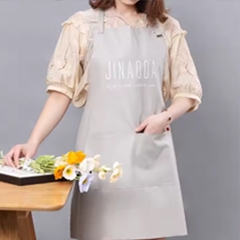
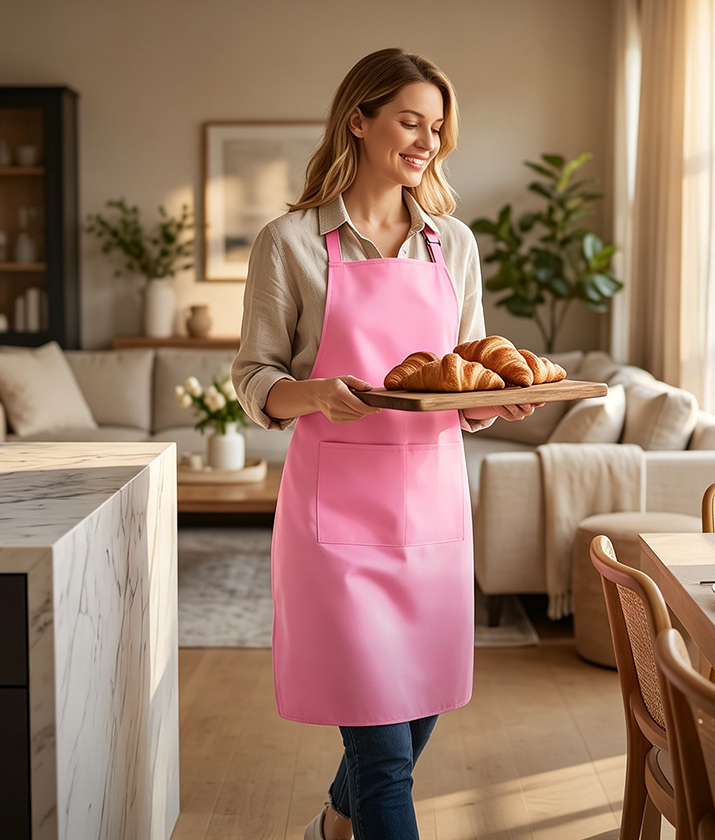
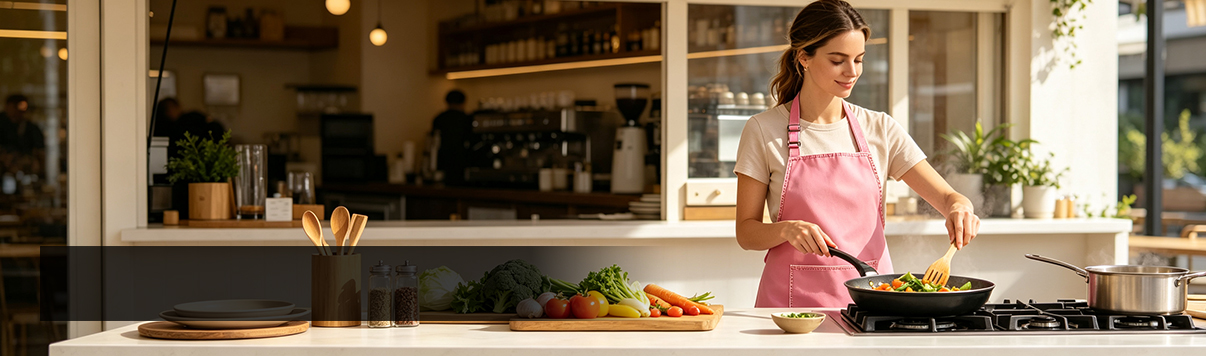
Polyester aprons are lightweight, low-maintenance work aprons designed for frequent use, featuring quick drying, wrinkle resistance, and stable color performance through repeated washing. Compared with cotton-based aprons, polyester offers easier care and better moisture resistance, making it suitable for restaurant, hotel, retail, and uniform supply programs.
Wenzhou Xiangqun Bags Co., Ltd. works with polyester and polyester-cotton blend fabrics, matching fabric selection, strap style, and pocket layout to different working environments and wearing requirements. The result is a practical apron solution that balances daily comfort, easy maintenance, and consistent appearance across bulk uniform orders.
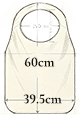
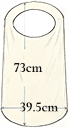
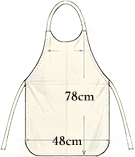
- Custom Common Sizes
- Material Customization
- Printing Customization
- Optional Accessories
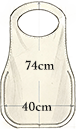
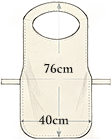
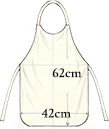
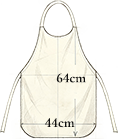
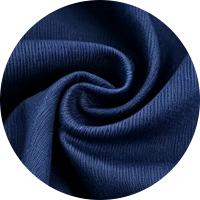 Polyester
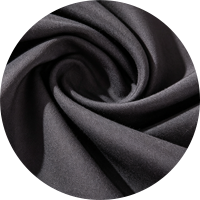 Cotton Wool
 PVC
PVC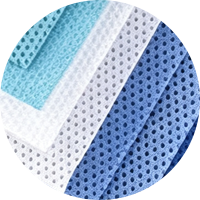 Non‑Woven Fabric
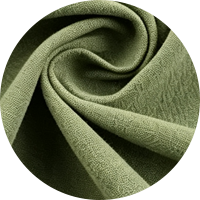 Cotton & Linen
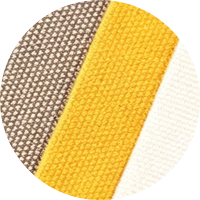 Twill Cotton Fabric
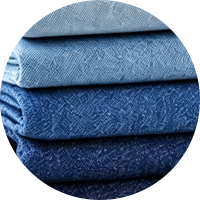 Denim Fabric
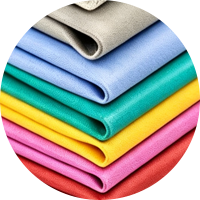 PU Fabric
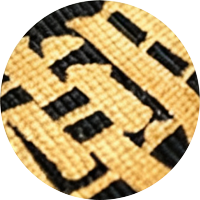 Gold Stamping
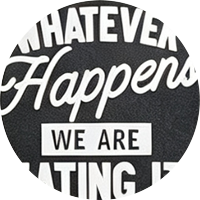 Screen Printing
 Full‑Page Printing
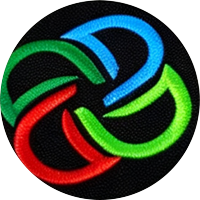 Embroidery
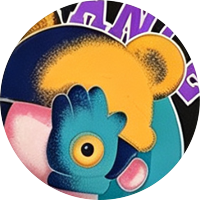 Digital Printing
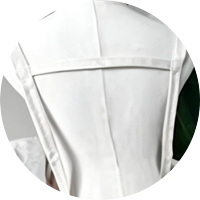 Back‑Belt Type
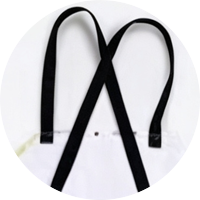 Cross Style
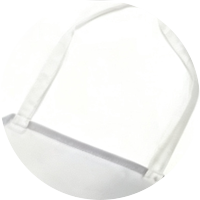 Neck‑Wrap Style
 Customized Labeling
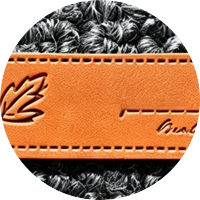 Label On The Skin
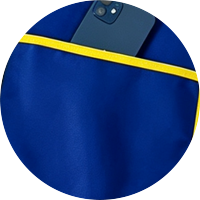 Pocket
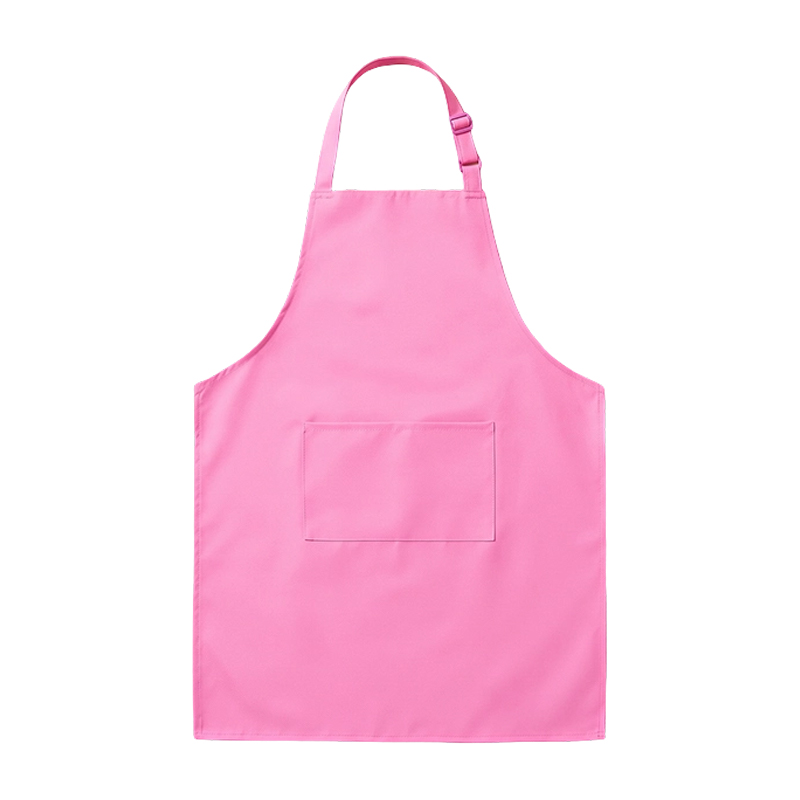
Application Scenarios
Polyester aprons are typically sourced for the following B2B procurement scenarios:
-
Chain restaurant and fast-casual uniforms
-
Hotel and hospitality staff wear
-
Retail and grocery staff uniforms
-
Car wash and light service industries
-
Event and catering companies
-
Corporate and promotional branding
-
Salon, spa, and personal care services
Why Choose Polyester Aprons
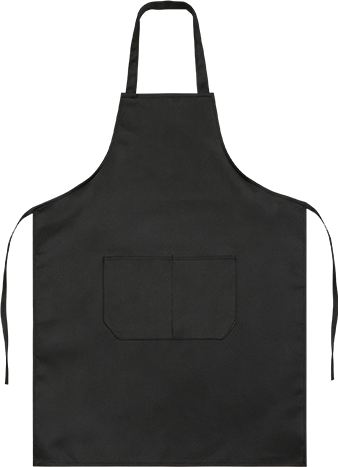
- Lower maintenance between washes Wrinkle and shrink resistance means aprons stay presentable with less ironing or special care, which matters for buyers managing uniforms across busy, fast-turnaround shifts.
- Faster drying supports high-frequency use Polyester dries quicker than cotton after washing, which is useful for operations that need uniforms cycled and ready again quickly, such as multi-shift restaurants or hotels.
- Stronger color retention for branding Polyester fabric generally holds printed or dyed color better over repeated washing than cotton, which matters for brands with specific color requirements tied to their visual identity.
- Cost-effective for large multi-location orders Polyester fabric is typically less expensive than comparable-durability cotton or canvas, which adds up for buyers outfitting staff across multiple restaurant, hotel, or retail locations.
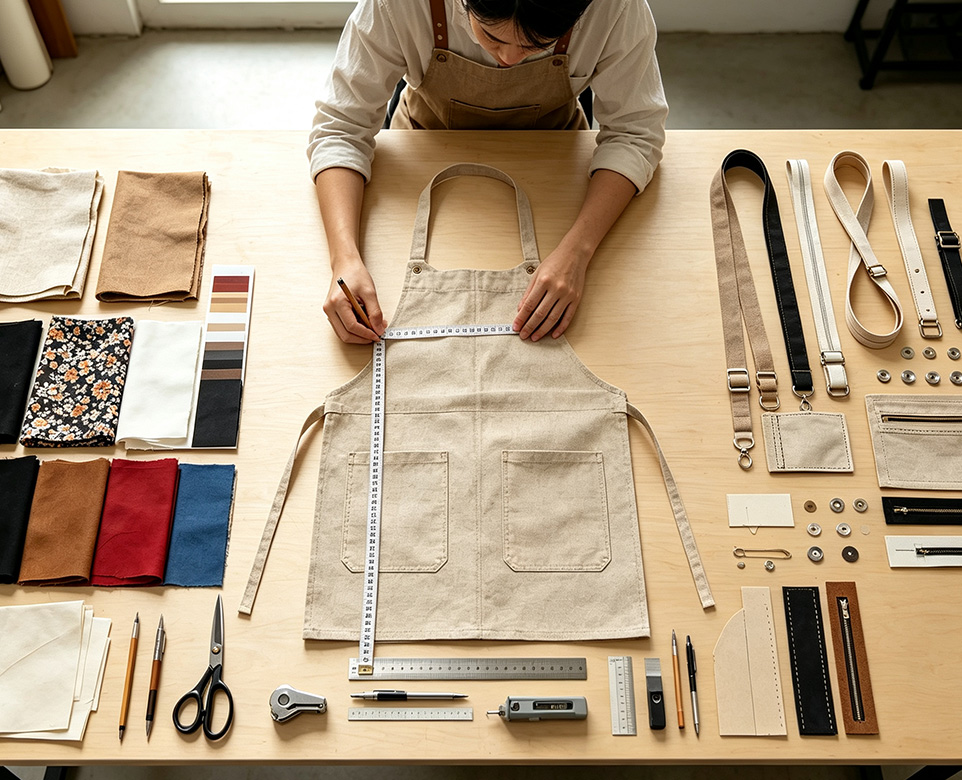
OEM/ODM Capabilities
We invite brand owners, trading companies, and chain restaurants or hotel groups to bring their requirements for polyester aprons to our team, and we'll work through the following cooperation formats together:
- OEM (Private Label) Production: Aprons built exactly to the logo, color scheme, and dimensions the client supplies;
- ODM (Joint Development): If a client knows the intended work setting — multi-location restaurant, hotel, or event staffing — and budget but hasn't settled on a fabric composition or printing method, our team can recommend an appropriate polyester blend, hardware, and printing combination;
- Packaging Customization: Outer carton, hang tag, and instruction card branding can be arranged alongside the apron production run;
- Sample Prototyping Service: New clients can request a small trial batch to check fabric feel, color accuracy, and print results before moving into bulk production;
- Mixed-Specification Orders: Suitable for clients who need multiple fabric compositions or colors within one order (MOQ and mixed-batch terms should be confirmed directly with our sales team).
Frequently Asked Questions
-
What is your minimum order quantity?
The minimum order quantity starts from 100 pieces. The exact MOQ may vary depending on the product size, material, printing and customization requirements.
-
How long is the production lead time?
The standard production lead time is approximately 7–15 days after the sample and order details are confirmed. The exact delivery time depends on the order quantity and customization requirements.
-
Do you provide design services?
Yes. We provide free design support, including logo placement, printing layout and basic product artwork adjustments according to your requirements.
-
Can you provide a sample before bulk production?
Yes. We provide free sample making so you can confirm the material, size, color, printing and workmanship before mass production.
-
Can I customize the logo, color, size and packaging?
Yes. We support OEM and ODM customization, including product size, material, color, logo printing, handle style, accessories and packaging.
-
How do you control product quality?
Every order undergoes strict quality inspection before shipment. Our QC team checks the material, dimensions, printing, stitching, accessories, quantity and packaging to ensure the products meet the confirmed requirements.