English
 русский
 Español


Product Category
- Non Woven Bags
- Cotton & Canvas Bags
- Garment Bag
- Drawstring Bag & Backpacks
-
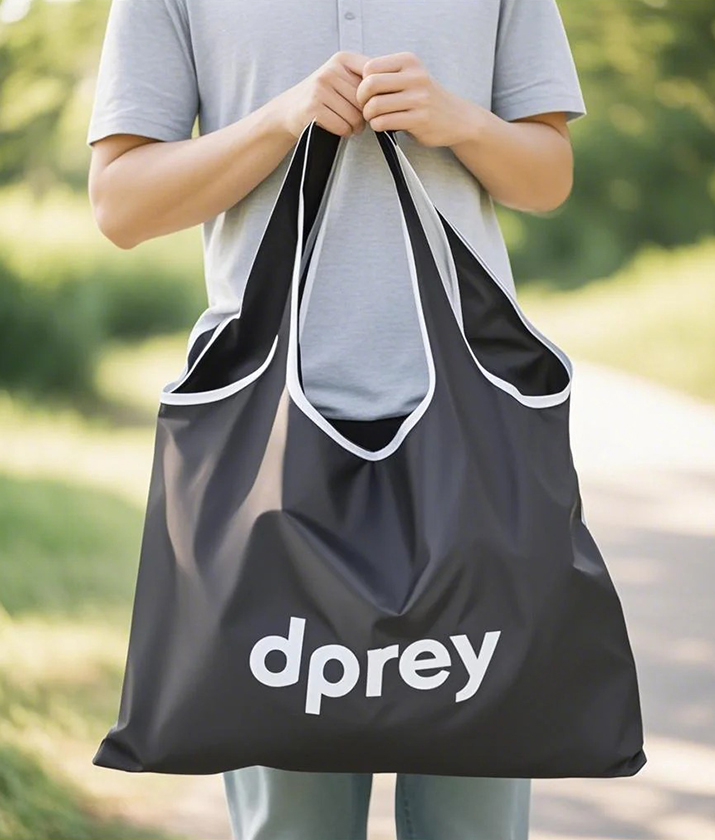
Foldable Polyester Shopping Bag
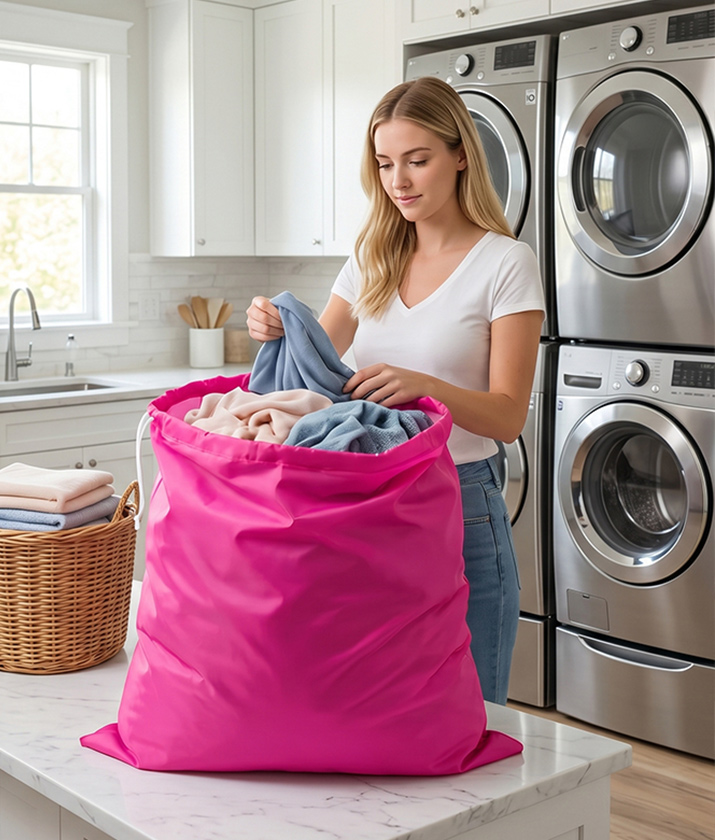
- Laundry Bags
-
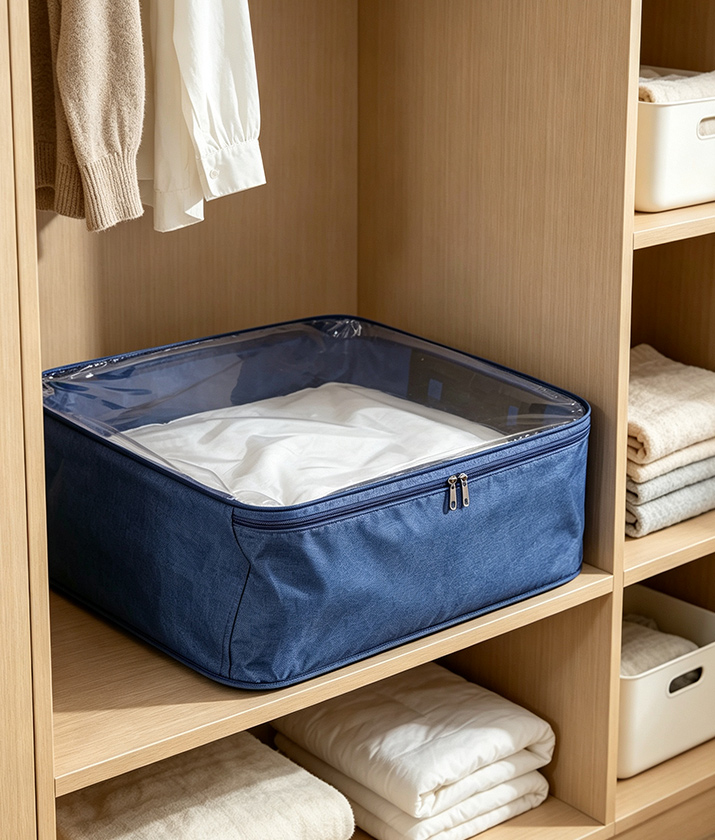
Bedding Storage Bags
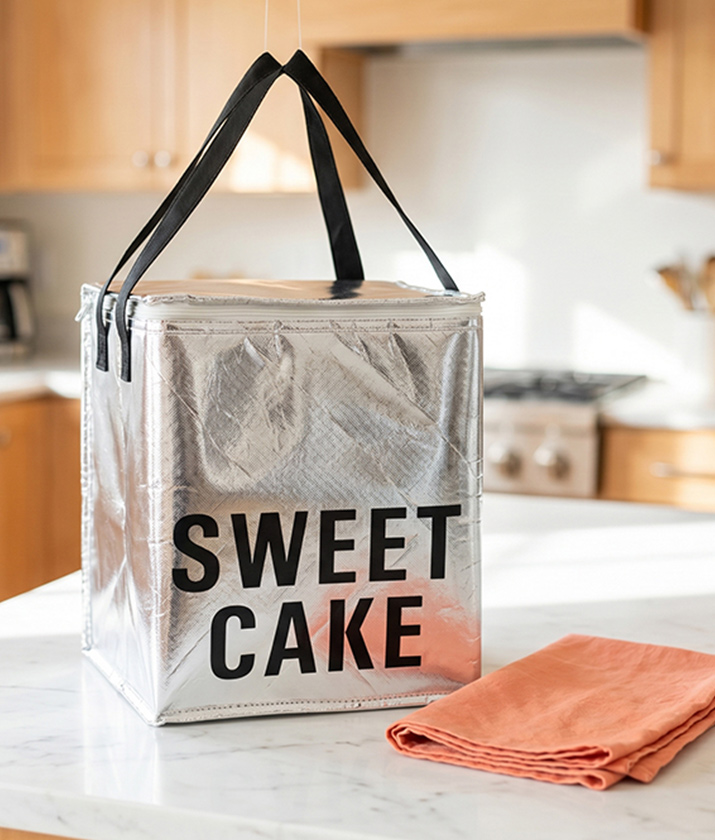
- Cooler Bags
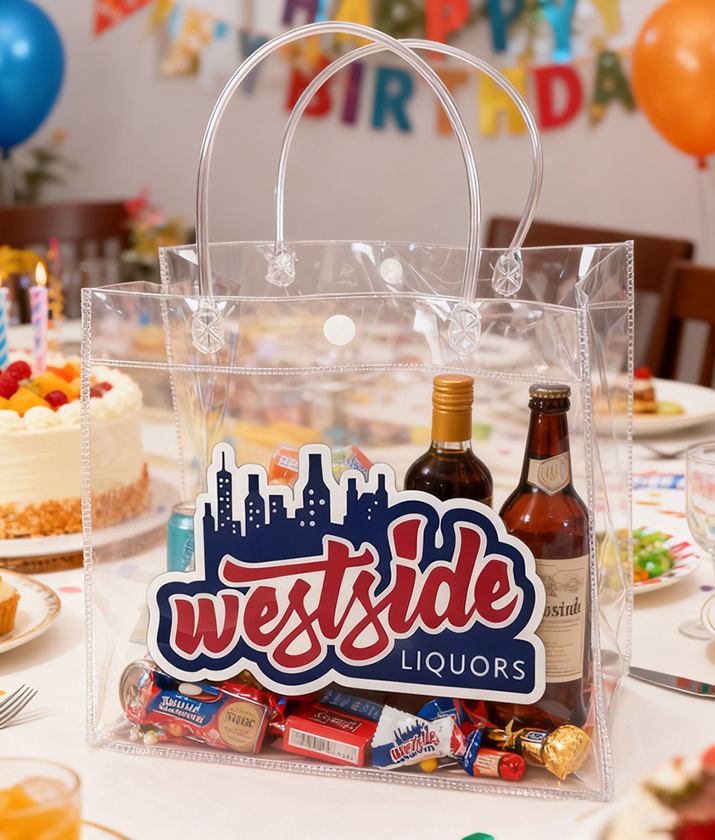
- PVC Bag
-
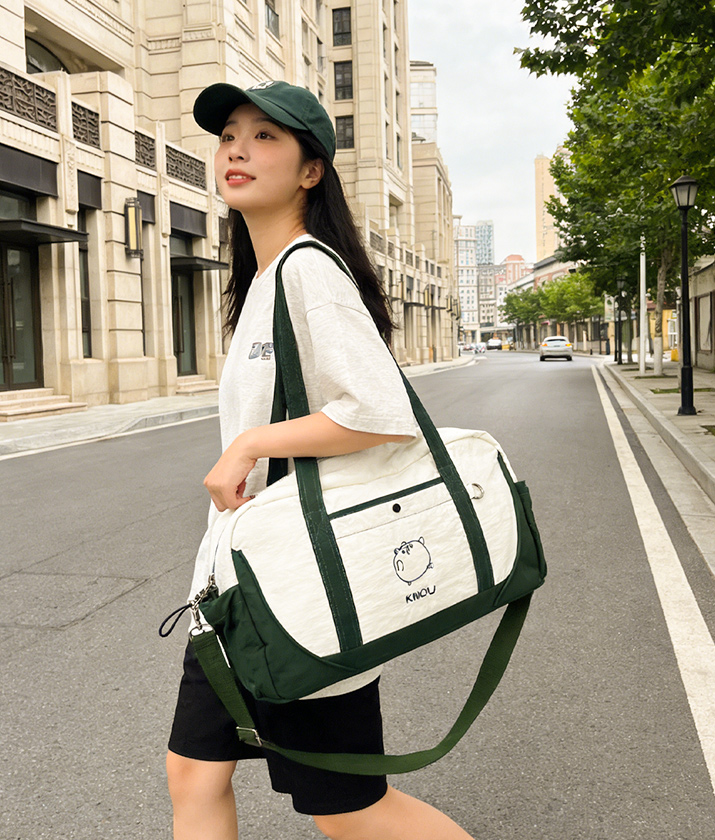
Duffel Bag
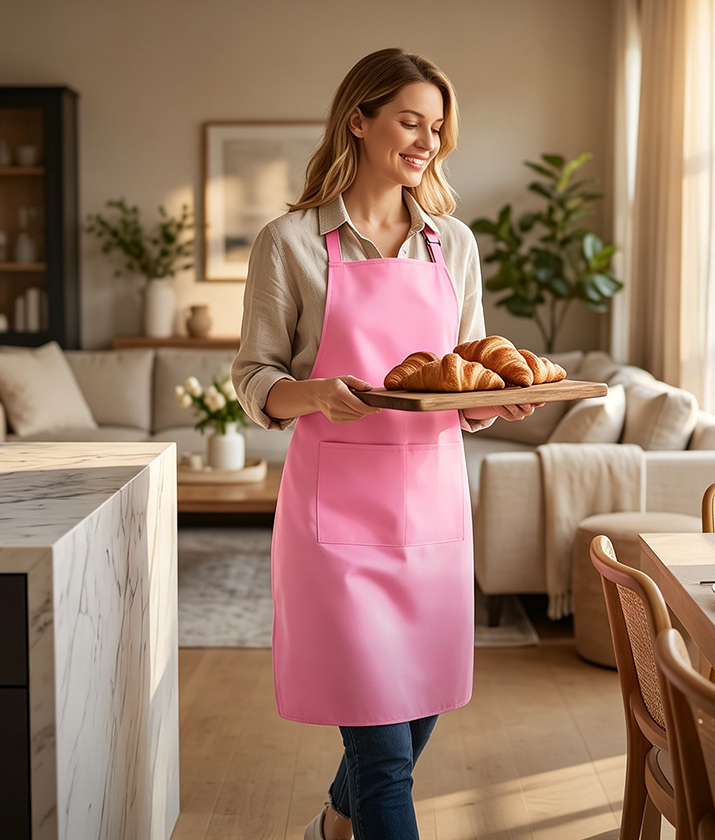
- Aprons
-
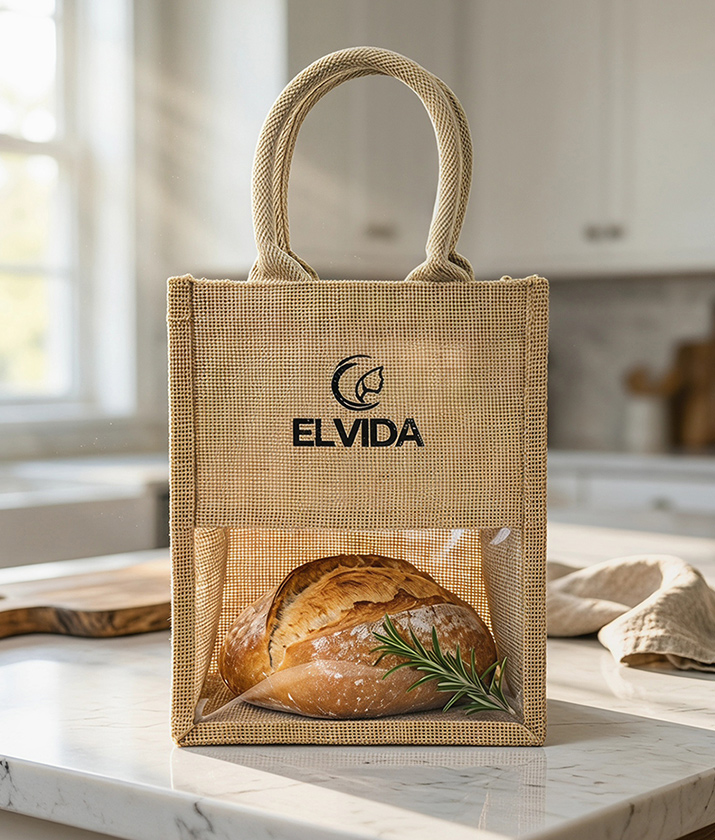
Jute Tote Bag
-
Paper Bag
Contatc Us
Cotton Garment Bags
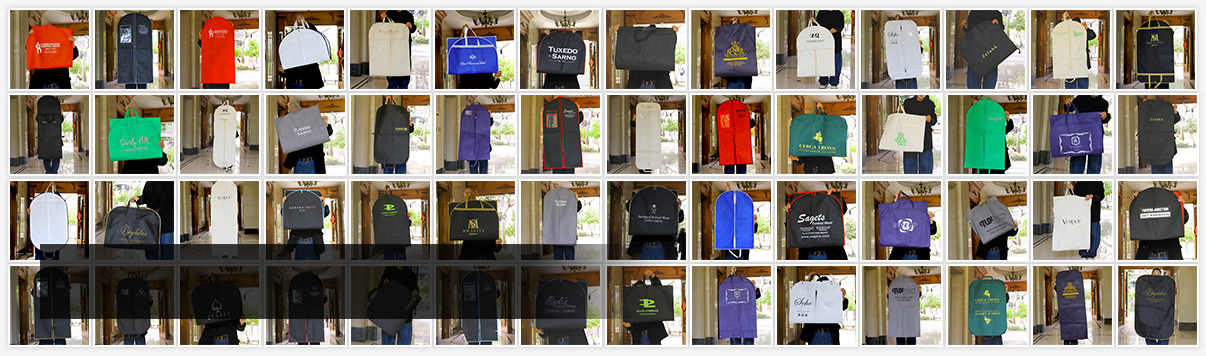
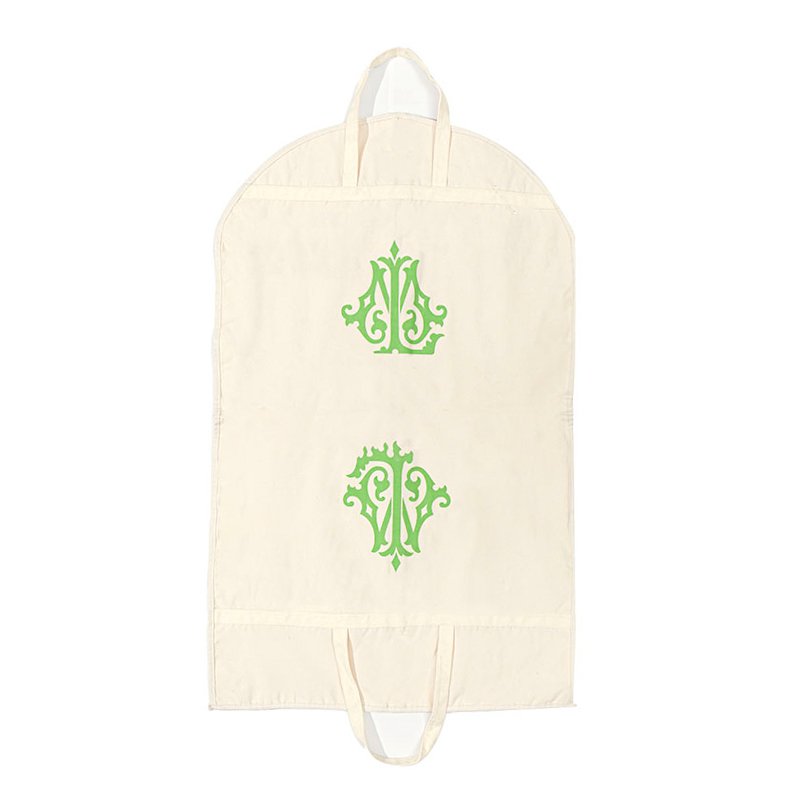
Cotton garment bags are hanger-length covers made from woven cotton — canvas, lightweight cotton fabric, or a cotton-poly blend — built for longer-term clothing storage rather than short-term transport. The breathable, natural fabric is why this category is generally chosen over non woven garment bags when the priority is wardrobe storage over low unit cost.
Wenzhou Xiangqun Bags Co, Ltd. provides customized production for tailoring shops, bridal retailers, and lifestyle brands, adjusting fabric weight, length and width, closure style, and handle design to fit different garment types. From sample confirmation to bulk production, each order is managed through production planning and quality inspection to ensure consistent delivery.

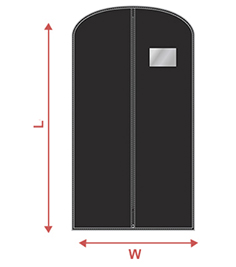 |
CM(Width * Length) | INCHES(Width * Length) |
| 60 * 110 cm | 24" * 36" | |
| 60 * 120 cm | 24" * 48" | |
| 60 * 130 cm | 24" * 52" | |
| 60 * 150 cm | 24" * 60" | |
| 60 * 170 cm | 24" * 67" | |
| 60 * 180 cm | 24" * 71" |
- Style Options
- Material Selection & Color
- Display of Printing Technology










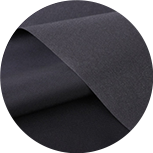 Polyester
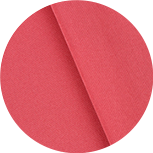 Oxford Cloth
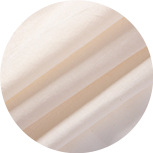 Cotton
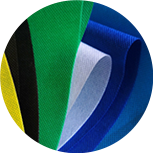 Non woven
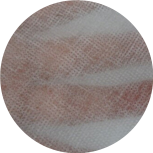 PVA Non-woven
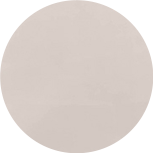 PEVA
PEVA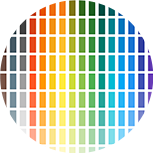 Customize Color
 Laminated Color Printing
 Digital Printing
 Monochrome Printing
 Heat Transfer
 UV Digital Printing
 Screen Printing
 Gilding
 Silver Stamping
 Thermal Sublimation
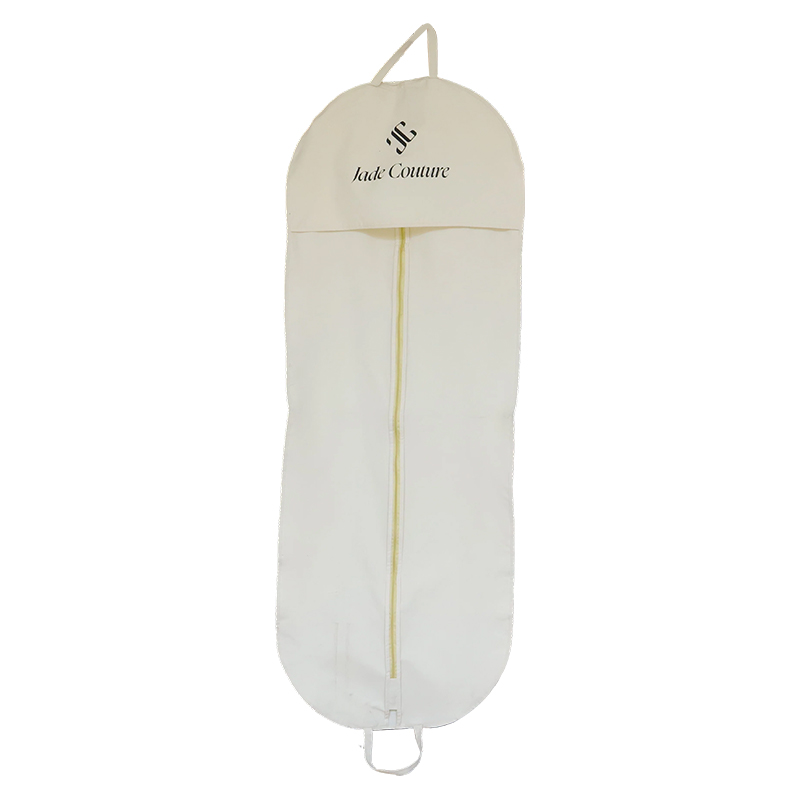
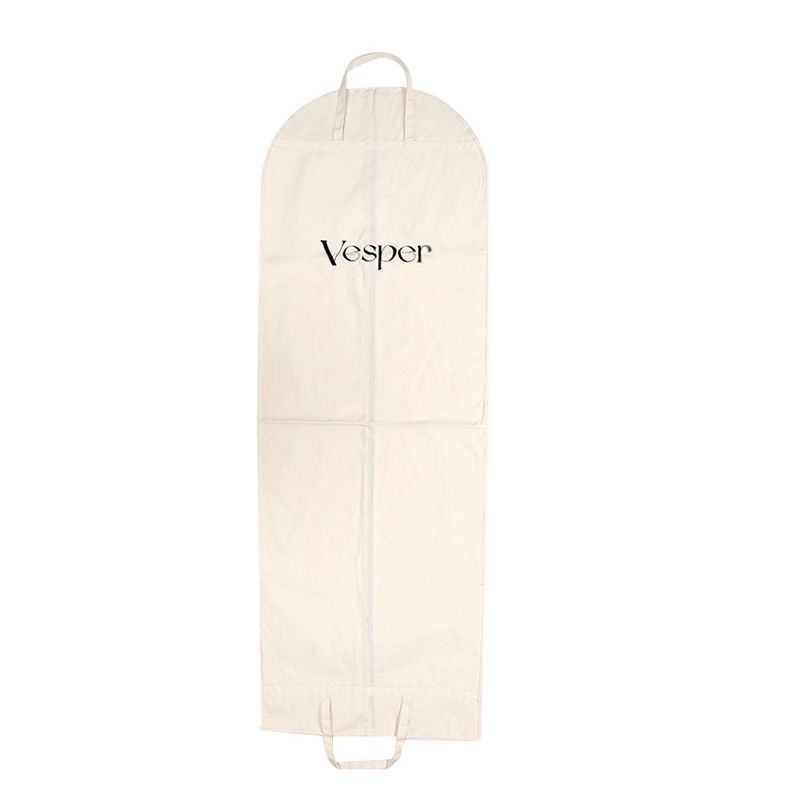
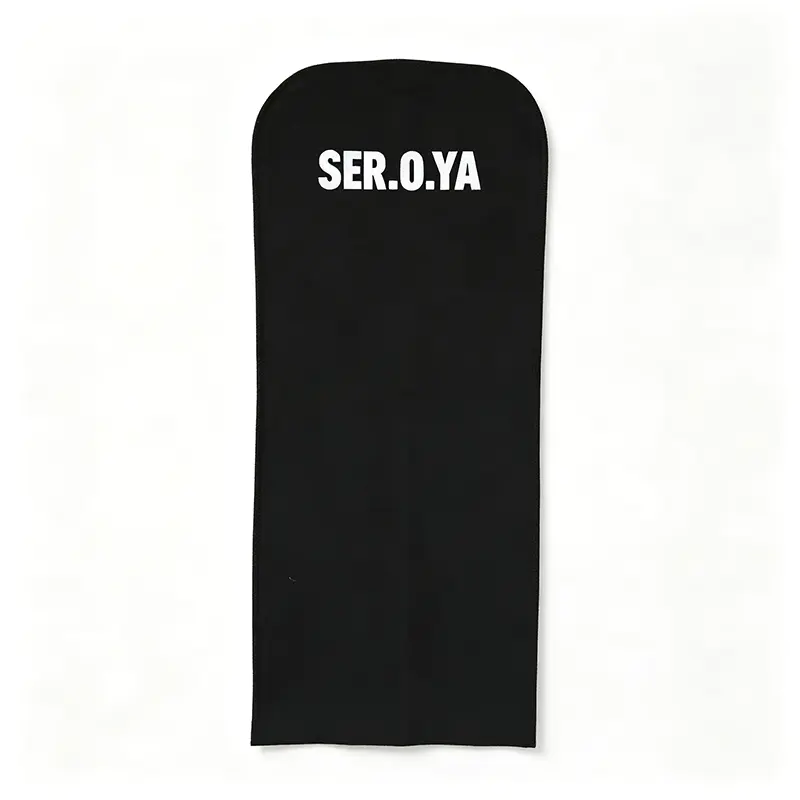
Application Scenarios
Cotton garment bags are commonly sourced for the following B2B procurement scenarios:
-
Long-term wardrobe and closet storage
-
Premium tailoring and menswear retail
-
Bridal and formalwear preservation
-
Boutique and lifestyle brand packaging
-
Vintage and heirloom clothing storage
-
Hospitality and hotel premium laundry service
-
Corporate uniform and formalwear distribution
Why Choose Cotton Garment Bags
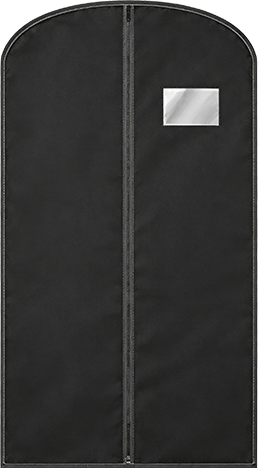
- Breathability suited to long-term storage cotton fabric allows airflow around a stored garment far better than synthetic non woven material, reducing the risk of trapped moisture and musty odor when a garment sits unused for weeks or months.
- Natural fiber presentation for premium retail positioning for tailoring shops, bridal retailers, and lifestyle brands, a cotton garment bag reads as a more considered, higher-value packaging choice than a basic synthetic cover — relevant when the bag itself is part of the customer's purchase experience.
- Better suited to delicate or valuable garments natural fabric is gentler against fine fabrics and formal wear over extended contact, making it a more appropriate long-term storage choice for suits, wedding dresses, and heirloom pieces than synthetic material.
- Durability across repeated long-term use cotton in particular holds up to years of storage and handling, making it a practical choice for retailers or households that reuse the same garment bag season after season rather than replacing it.
- Aligns with natural-material brand positioning brands built around sustainability or craftsmanship often prefer cotton packaging across their full product range, including garment covers, for consistency with their broader material story.
OEM/ODM Capabilities
We support the following customization models for cotton garment bags, and invite garment brands, retail chains, tailoring companies, and clothing suppliers to submit specific requirements for proposal evaluation:
- OEM (Private Label) Production: Custom manufacturing based on client-provided specifications for logos, brand colors, cotton fabric types, fabric weights, garment bag sizes, closure styles, and packaging requirements;
- ODM (Joint Development): For clients who only have defined garment storage needs or application scenarios, our team can assist by proposing suitable fabric combinations, bag structures, dimensions, closure methods, and finishing techniques based on different garment types;
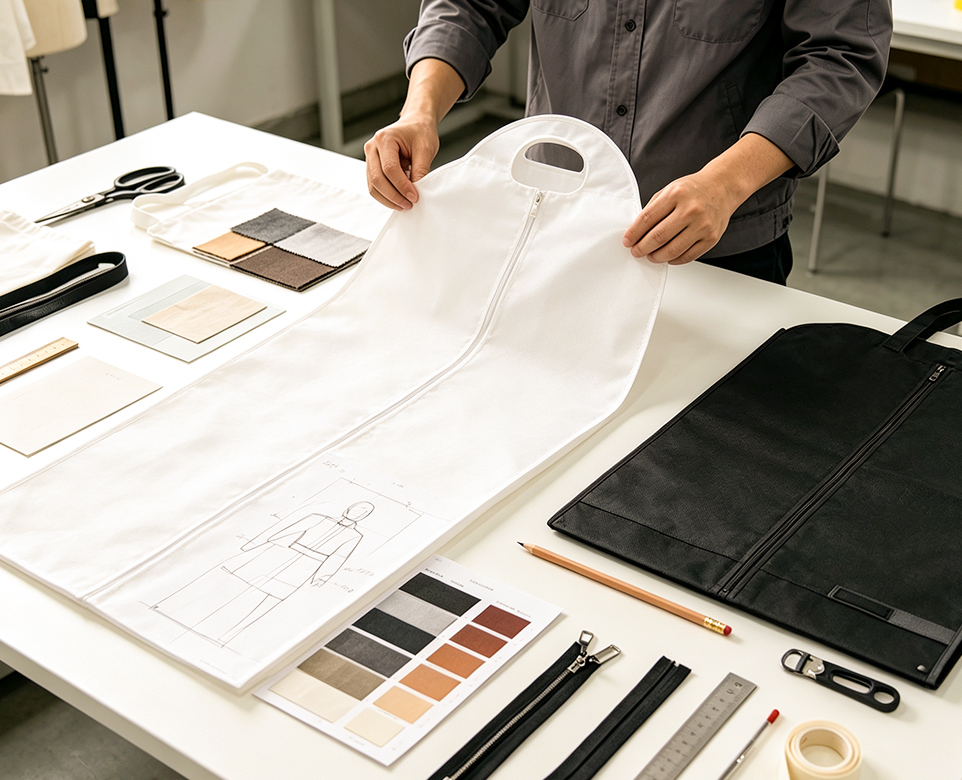
- Fabric and Structure Customization: Support for customizing cotton fabric types, cotton blends, fabric weights, bag lengths, widths, zipper or button closure options, and handle designs to match different storage durations and garment protection requirements;
- Branding & Finishing Customization: Support for screen printing, heat transfer printing, digital printing, embroidery, custom colors, and other finishing options to help brands create a natural and premium garment packaging solution;
- Sample Prototyping Service: New clients can request small-batch samples to verify fabric feel, weight, breathability, closure performance, handle strength, and branding effects before proceeding to mass production;
- Mixed-Specification Orders: Ideal for garment brands, importers, tailoring companies, and clothing suppliers needing multiple sizes, colors, fabric types, or designs in a single batch (specific MOQ and mixed-order rules are subject to confirmation during business discussions).
Frequently Asked Questions
-
What is your minimum order quantity?
The minimum order quantity starts from 100 pieces. The exact MOQ may vary depending on the product size, material, printing and customization requirements.
-
How long is the production lead time?
The standard production lead time is approximately 7–15 days after the sample and order details are confirmed. The exact delivery time depends on the order quantity and customization requirements.
-
Do you provide design services?
Yes. We provide free design support, including logo placement, printing layout and basic product artwork adjustments according to your requirements.
-
Can you provide a sample before bulk production?
Yes. We provide free sample making so you can confirm the material, size, color, printing and workmanship before mass production.
-
Can I customize the logo, color, size and packaging?
Yes. We support OEM and ODM customization, including product size, material, color, logo printing, handle style, accessories and packaging.
-
How do you control product quality?
Every order undergoes strict quality inspection before shipment. Our QC team checks the material, dimensions, printing, stitching, accessories, quantity and packaging to ensure the products meet the confirmed requirements.