English
 русский
 Español


Product Category
- Non Woven Bags
- Cotton & Canvas Bags
- Garment Bag
- Drawstring Bag & Backpacks
-
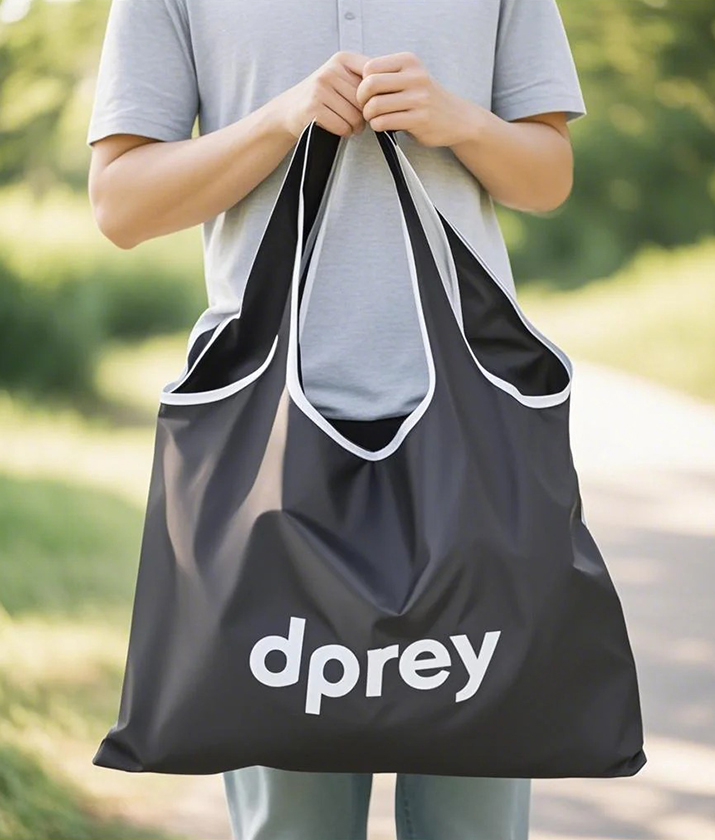
Foldable Polyester Shopping Bag
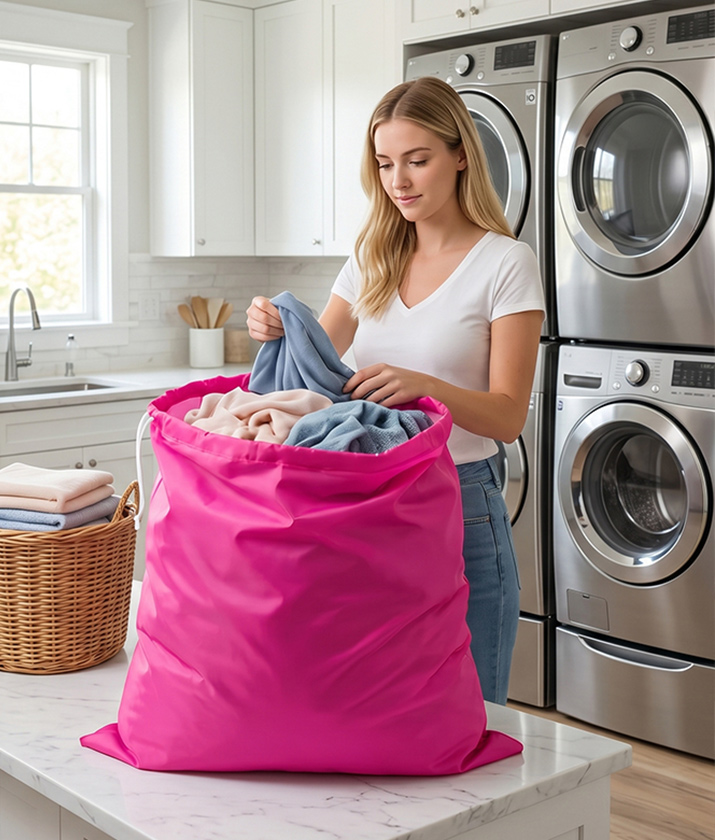
- Laundry Bags
-
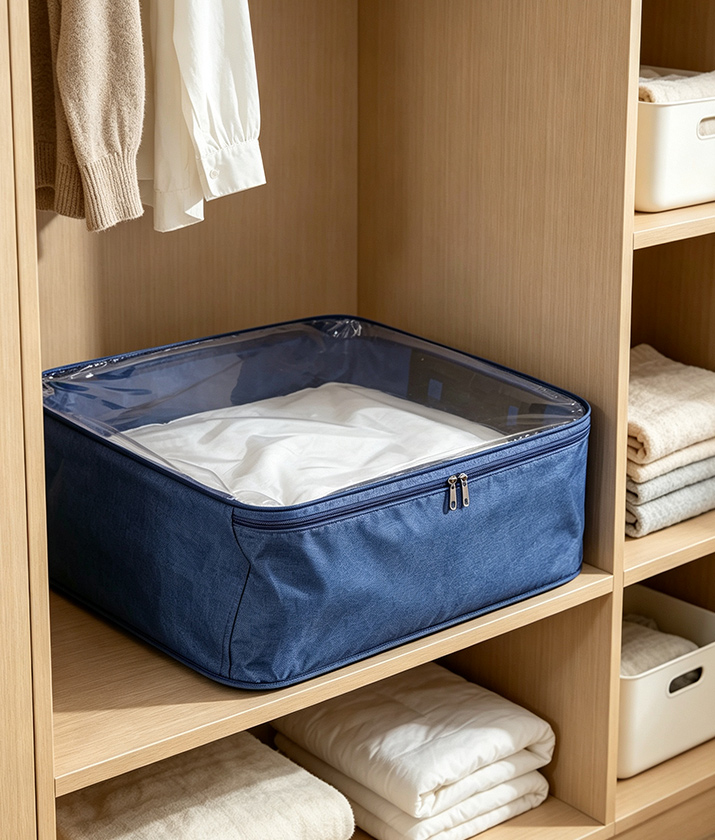
Bedding Storage Bags
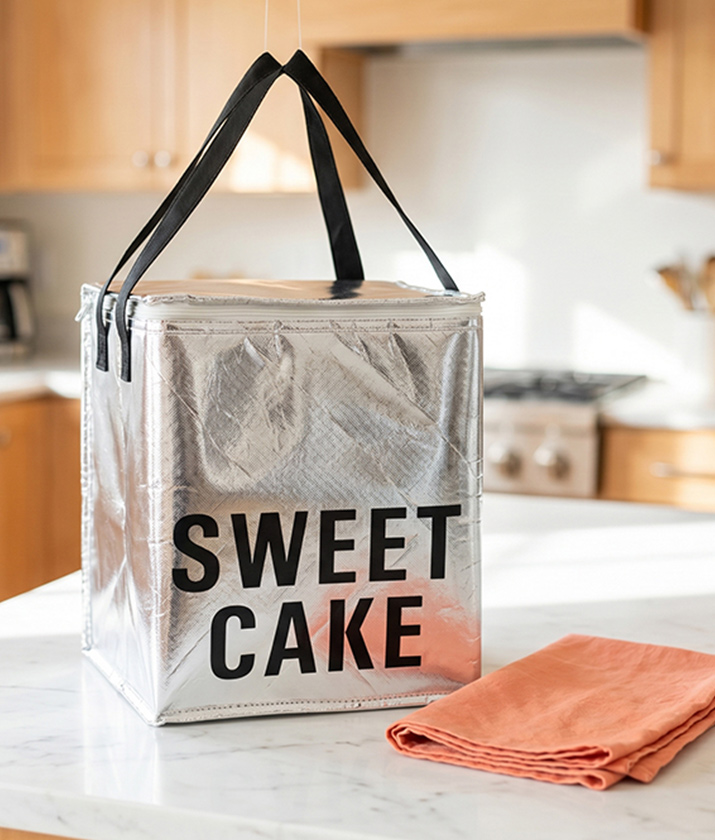
- Cooler Bags
- PVC Bag
-
Duffel Bag
- Aprons
-
Jute Tote Bag
-
Paper Bag
Contatc Us
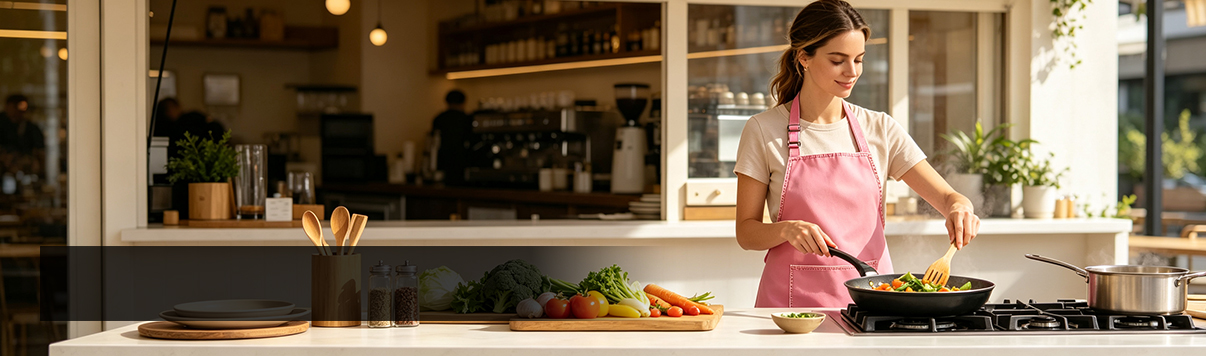
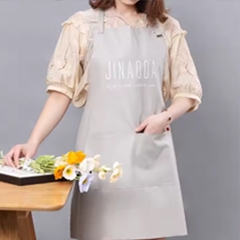
Cotton & Canvas Aprons
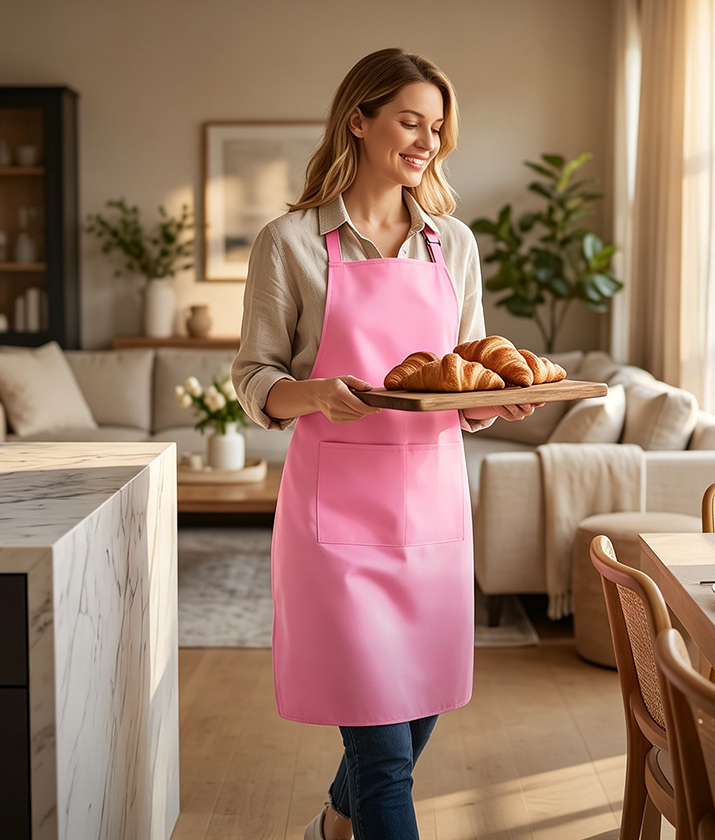
Cotton aprons are durable woven-fabric aprons designed for repeated washing and long-term daily wear. Cotton offers a softer, more flexible feel for everyday service use, while heavier canvas provides a stronger structure and better abrasion resistance for demanding environments.
Wenzhou Xiangqun Bags Co., Ltd. develops cotton aprons with adjustable fabric weight, pocket configuration, strap style, color, and branding options to match different working environments. From lightweight service aprons to heavier canvas styles, we help customers select suitable materials and structures before production to ensure consistent bulk supply.
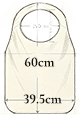
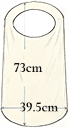
- Custom Common Sizes
- Material Customization
- Printing Customization
- Optional Accessories
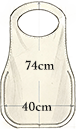
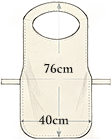
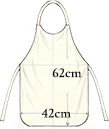
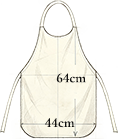
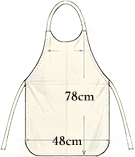
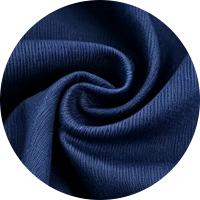 Polyester
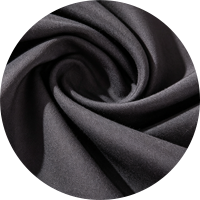 Cotton Wool
 PVC
PVC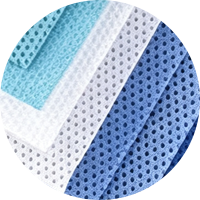 Non‑Woven Fabric
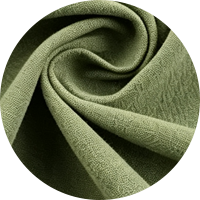 Cotton & Linen
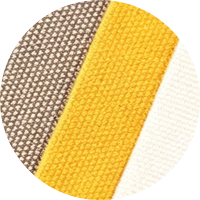 Twill Cotton Fabric
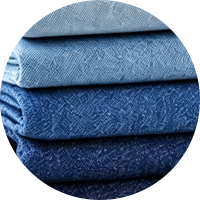 Denim Fabric
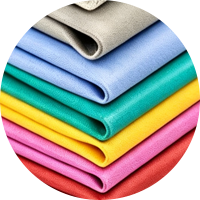 PU Fabric
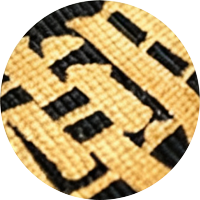 Gold Stamping
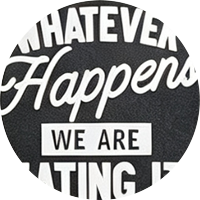 Screen Printing
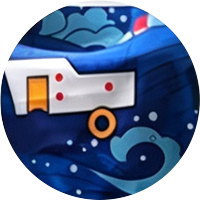 Full‑Page Printing
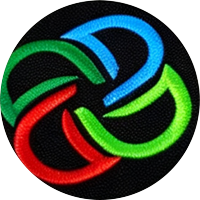 Embroidery
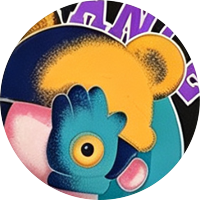 Digital Printing
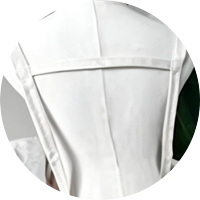 Back‑Belt Type
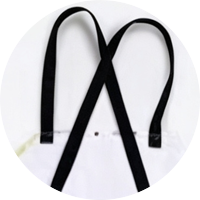 Cross Style
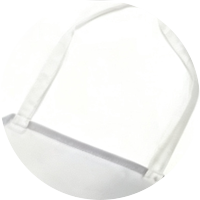 Neck‑Wrap Style
 Customized Labeling
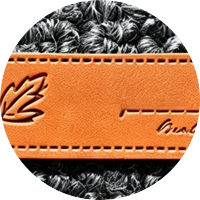 Label On The Skin
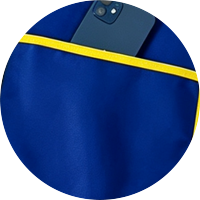 Pocket
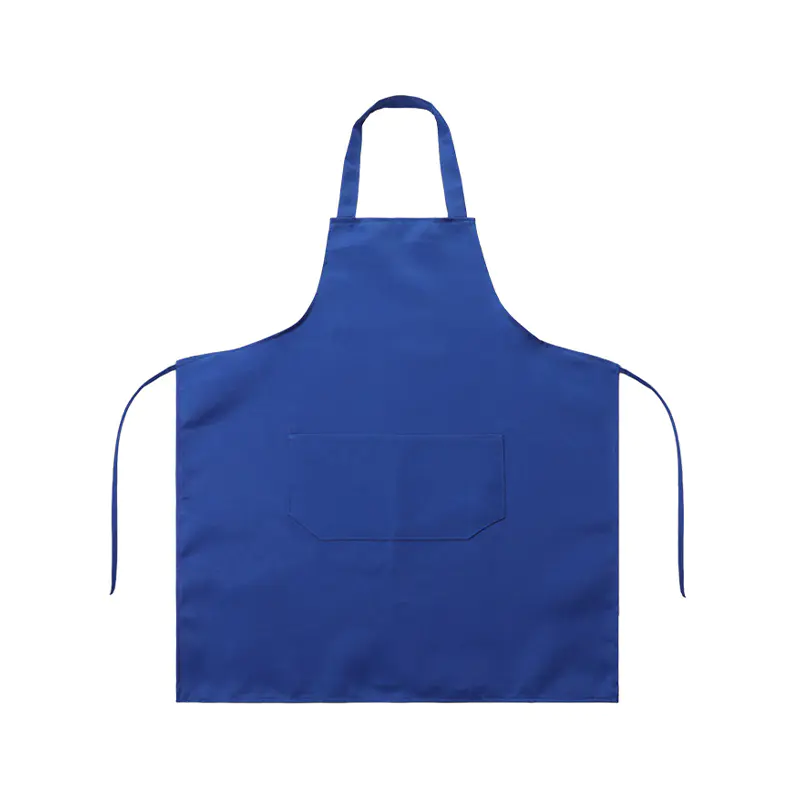
Application Scenarios
Cotton aprons are typically sourced for the following B2B procurement scenarios:
-
Restaurant and cafe staff uniforms
-
Bakeries and food production
-
Barbershops and salons
-
Woodworking, pottery, and craft studios
-
Retail and specialty product lines
-
Corporate and hospitality branding
-
Home and gift market
Why Choose Cotton & Canvas Aprons
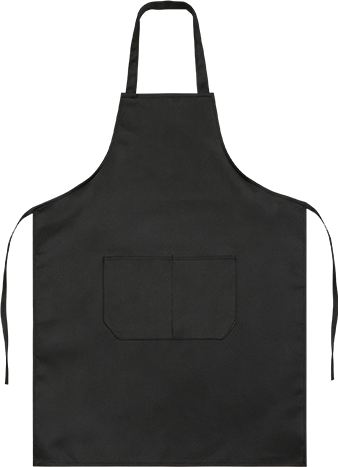
- Built for repeated washing without breaking down Woven natural fiber fabric holds up to industrial or frequent laundering far better than non-woven material, which matters for buyers outfitting daily-wear staff uniforms.
- Heavier canvas options add abrasion resistance For workshop, woodworking, or heavy kitchen use, canvas weight provides better resistance to tears and wear than lighter cotton or synthetic fabric.
- Better colorfastness over the product lifecycle Quality cotton fabric, when properly treated, retains color and shape better after repeated washing compared to cheaper synthetic blends, reducing how often uniforms need replacing.
- Versatile for both uniform and retail use The same fabric category works for daily staff workwear and standalone retail products, giving buyers flexibility to use one apron style across multiple sales or operational channels.
OEM/ODM Capabilities
We invite brand owners, trading companies, and restaurants or hospitality groups to bring their requirements for cotton aprons to our team, and we'll work through the following cooperation formats together:
- OEM (Private Label) Production: Aprons built exactly to the logo, color scheme, and dimensions the client supplies;
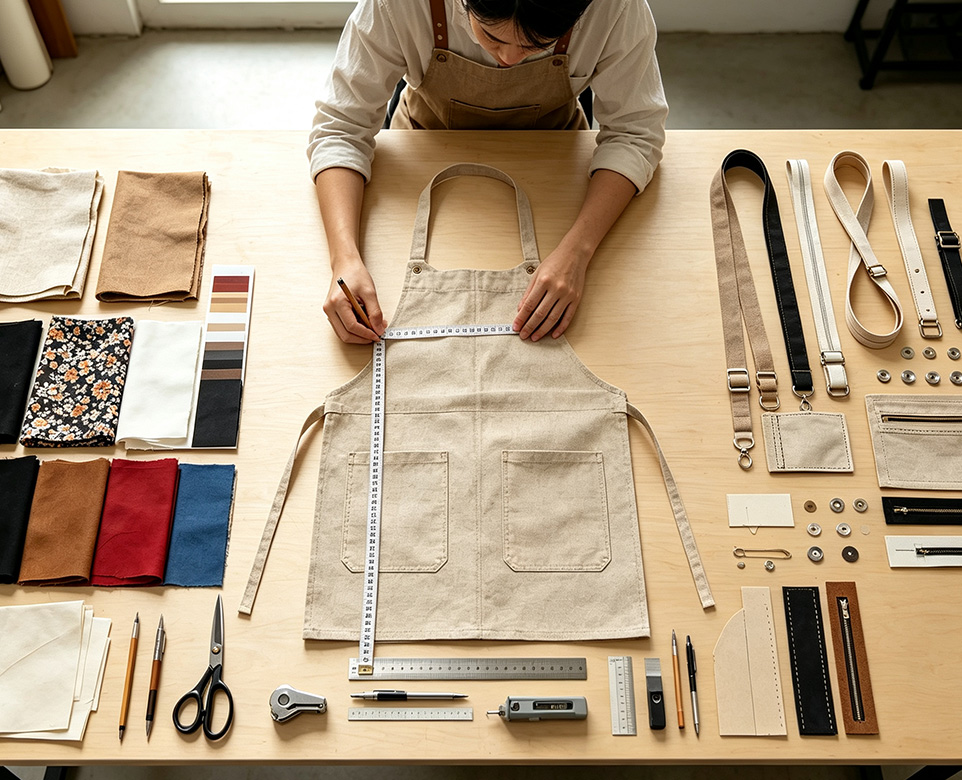
- ODM (Joint Development): If a client knows the intended daily-wear use — front-of-house, kitchen, or workshop — and budget but hasn't settled on a fabric weight or branding method, our team can recommend an appropriate cotton weight, embroidery or print option, and hardware combination;
- Packaging Customization: Outer carton, hang tag, and instruction card branding can be arranged alongside the apron production run;
- Sample Prototyping Service: New clients can request a small trial batch to check fabric weight, stitching quality, and colorfastness before moving into bulk production;
- Mixed-Specification Orders: Suitable for clients who need multiple fabric weights or colors within one order (MOQ and mixed-batch terms should be confirmed directly with our sales team).
Frequently Asked Questions
-
What is your minimum order quantity?
The minimum order quantity starts from 100 pieces. The exact MOQ may vary depending on the product size, material, printing and customization requirements.
-
How long is the production lead time?
The standard production lead time is approximately 7–15 days after the sample and order details are confirmed. The exact delivery time depends on the order quantity and customization requirements.
-
Do you provide design services?
Yes. We provide free design support, including logo placement, printing layout and basic product artwork adjustments according to your requirements.
-
Can you provide a sample before bulk production?
Yes. We provide free sample making so you can confirm the material, size, color, printing and workmanship before mass production.
-
Can I customize the logo, color, size and packaging?
Yes. We support OEM and ODM customization, including product size, material, color, logo printing, handle style, accessories and packaging.
-
How do you control product quality?
Every order undergoes strict quality inspection before shipment. Our QC team checks the material, dimensions, printing, stitching, accessories, quantity and packaging to ensure the products meet the confirmed requirements.