English
 русский
 Español


Product Category
- Non Woven Bags
- Cotton & Canvas Bags
- Garment Bag
- Drawstring Bag & Backpacks
-
Foldable Polyester Shopping Bag
- Laundry Bags
-
Bedding Storage Bags
- Cooler Bags
- PVC Bag
-
Duffel Bag
- Aprons
-
Jute Tote Bag
-
Paper Bag
Contatc Us
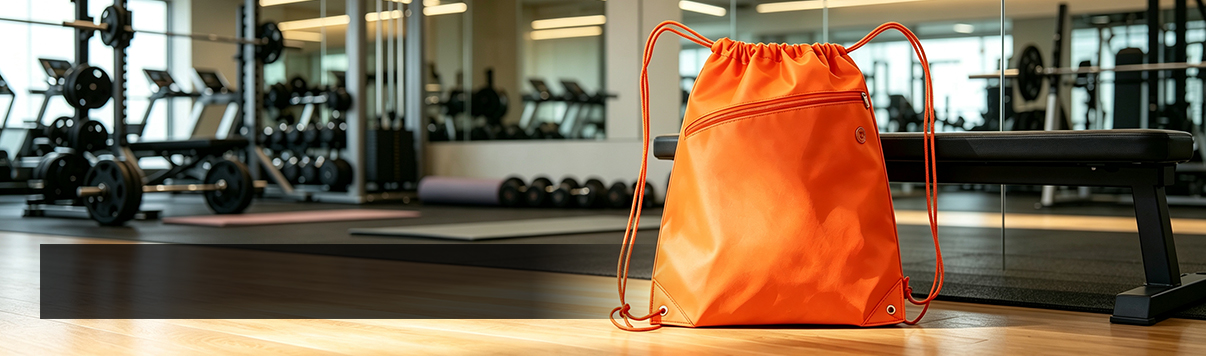
Mesh Drawstring Bags
Mesh drawstring bags are selected when ventilation, drainage, and quick identification of contents matter more than full coverage protection. Made from perforated or woven mesh fabric, they provide airflow and visibility that solid non-woven or laminated bags cannot offer. They are commonly used for produce, laundry, wet sports gear, and small-parts packaging where breathability or easy content checking is required.
We works with buyers to define the right mesh density, bag size, and drawstring specification according to the intended use. Stitching strength and reinforcement at attachment points are confirmed before manufacturing, keeping bulk orders consistent for retail, hospitality, and commercial supply projects.
- Style Customization
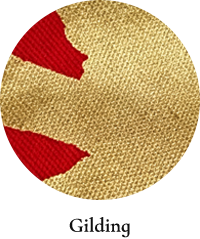
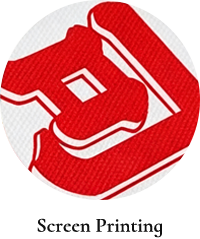
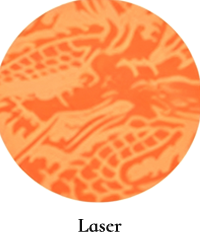
- Print Customization
- Material Customization
- Accessory Selection
- Additional Process Options Are Available



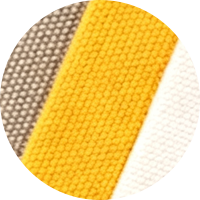 Cotton Fabric
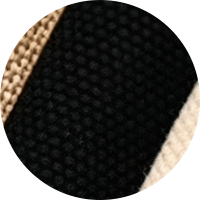 Canvas
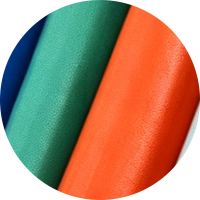 PU
PU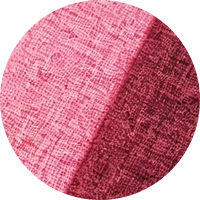 Colored Linen
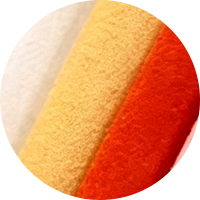 Superfine Leather
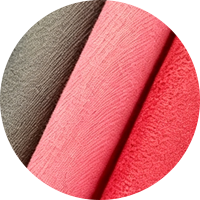 Peach Skin Velvet
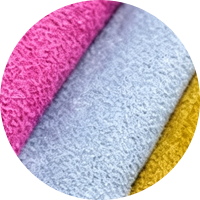 Deerskin Velvet
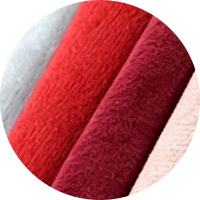 Lise Velvet
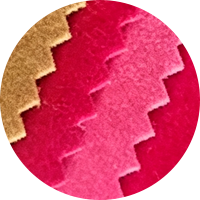 Flocked Fabric
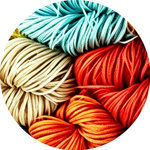 Wax Yellow
 Korean Rope
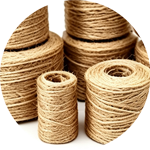 Hemp Rope
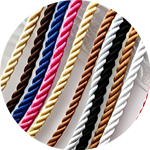 Three‑Strand Rope
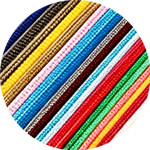 Nylon Rope
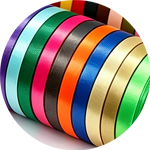 Ribbon
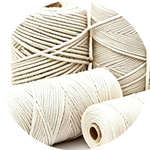 Zipper
 Hanging Buckle
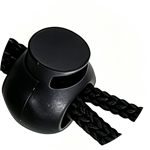 Spring Buckle
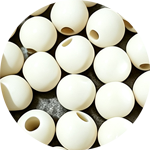 White Wood Beads
 Printed Wooden Beads
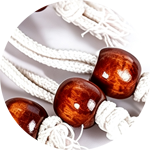 Dark Wood Beads
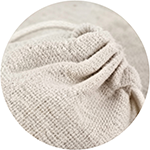 Pingkou
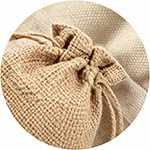 Lace
Lace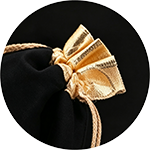 Spliced Gold Edge
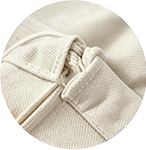 Fold The Two Corners In Half
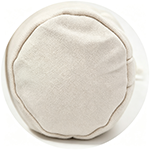 Round Base
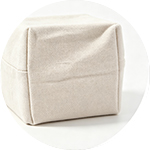 Square Base
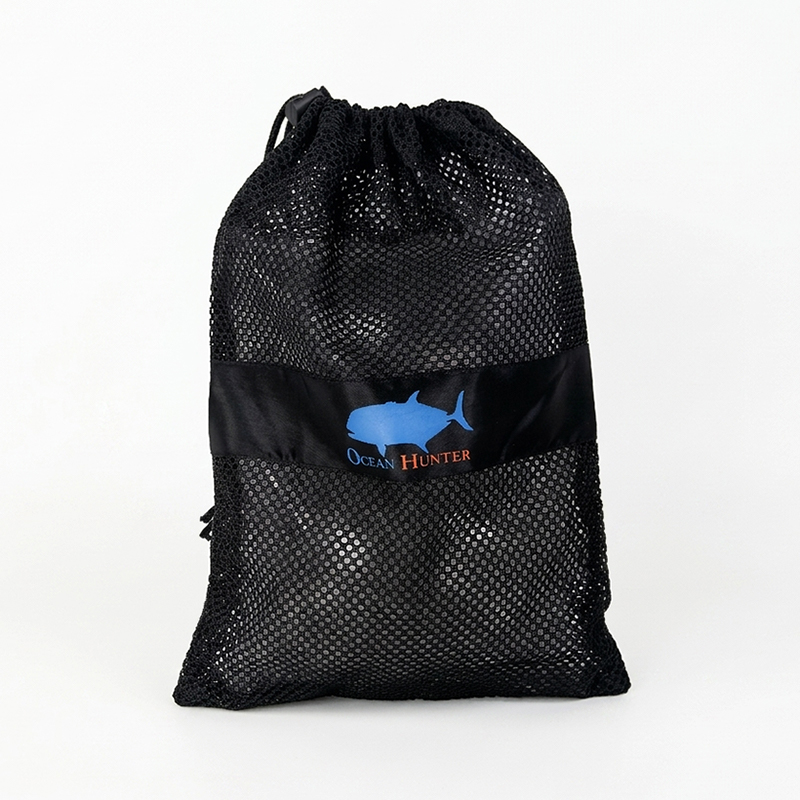
Application Scenarios
Mesh drawstring bags are typically sourced for the following B2B procurement scenarios:
-
Produce and grocery packaging
-
Laundry and hospitality supply
-
Beach, pool, and water sports gear
-
Sports and gym equipment storage
-
Toy and small parts packaging
-
Produce delivery and farmers market supply
-
Promotional and event giveaways
Why Choose Mesh Drawstring Bags
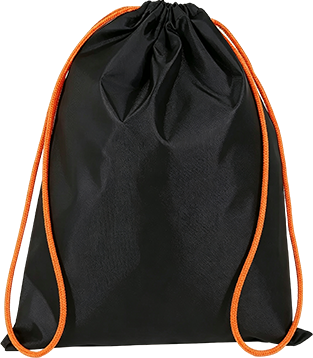
- Ventilation solves a real storage problem For damp, wet, or perishable contents, mesh prevents the moisture buildup and odor that solid fabric bags trap, which matters for laundry, produce, and wet sports gear specifically.
- Visibility supports retail and sorting use cases Contents are visible through the fabric, which helps with retail shelf display, warehouse sorting, or quick content identification without opening the bag.
- Quick-drying reduces bag-related odor complaints For reusable use cases like gym or hotel laundry bags, mesh dries faster between uses than solid fabric, which lowers the risk of mildew-related returns or complaints.
- Distinct positioning from solid drawstring bags For brands already selling standard drawstring bags, adding a mesh version lets them serve buyers with ventilation-specific needs without competing against their own solid-fabric product line.
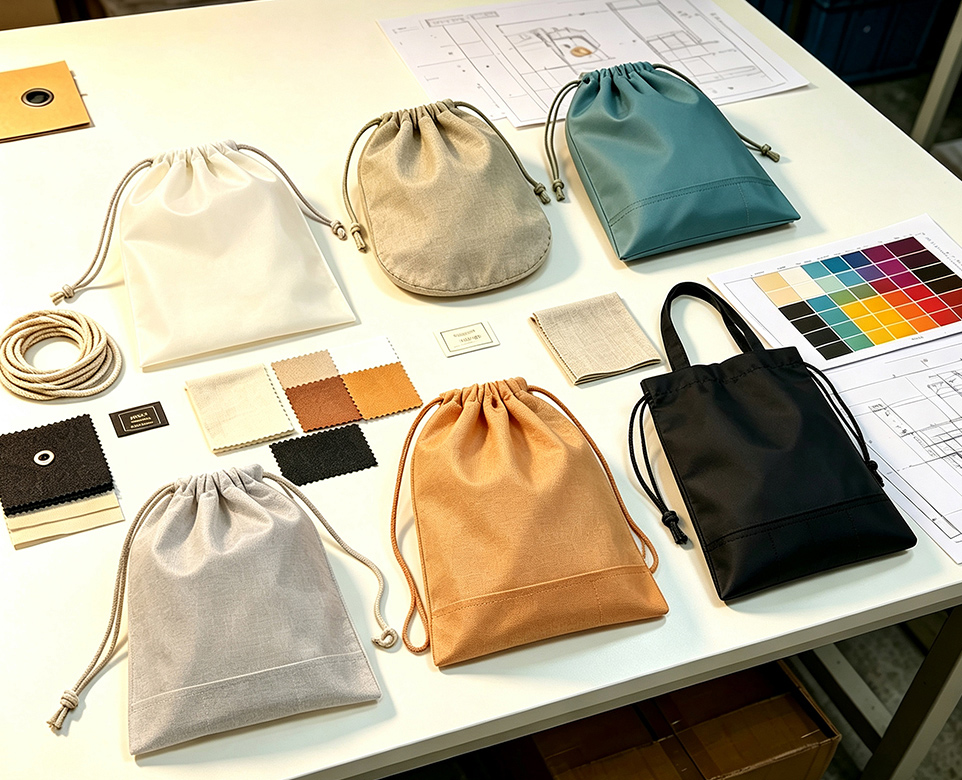
OEM/ODM Capabilities
We invite brand owners, trading companies, and retail or hospitality buyers to bring their requirements for mesh drawstring bags to our team, and we'll work through the following cooperation formats together:
- OEM (Private Label) Production: Bags built exactly to the logo, color scheme, and dimensions the client supplies;
- ODM (Joint Development): If a client knows what's being stored — produce, laundry, or sports gear — and budget but hasn't settled on a mesh density or size, our team can recommend an appropriate openness level, dimensions, and reinforcement combination;
- Packaging Customization: Outer carton, hang tag, and instruction card branding can be arranged alongside the bag production run;
- Sample Prototyping Service: New clients can request a small trial batch to check mesh density, drawstring strength, and print quality before moving into bulk production;
- Mixed-Specification Orders: Suitable for clients who need multiple mesh densities or sizes within one order (MOQ and mixed-batch terms should be confirmed directly with our sales team).
Frequently Asked Questions
-
What is your minimum order quantity?
The minimum order quantity starts from 100 pieces. The exact MOQ may vary depending on the product size, material, printing and customization requirements.
-
How long is the production lead time?
The standard production lead time is approximately 7–15 days after the sample and order details are confirmed. The exact delivery time depends on the order quantity and customization requirements.
-
Do you provide design services?
Yes. We provide free design support, including logo placement, printing layout and basic product artwork adjustments according to your requirements.
-
Can you provide a sample before bulk production?
Yes. We provide free sample making so you can confirm the material, size, color, printing and workmanship before mass production.
-
Can I customize the logo, color, size and packaging?
Yes. We support OEM and ODM customization, including product size, material, color, logo printing, handle style, accessories and packaging.
-
How do you control product quality?
Every order undergoes strict quality inspection before shipment. Our QC team checks the material, dimensions, printing, stitching, accessories, quantity and packaging to ensure the products meet the confirmed requirements.