English
 русский
 Español


Product Category
- Non Woven Bags
- Cotton & Canvas Bags
- Garment Bag
- Drawstring Bag & Backpacks
-
Foldable Polyester Shopping Bag
- Laundry Bags
-
Bedding Storage Bags
- Cooler Bags
- PVC Bag
-
Duffel Bag
- Aprons
-
Jute Tote Bag
-
Paper Bag
Contatc Us
Bib Aprons
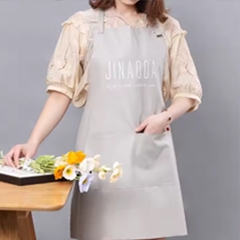
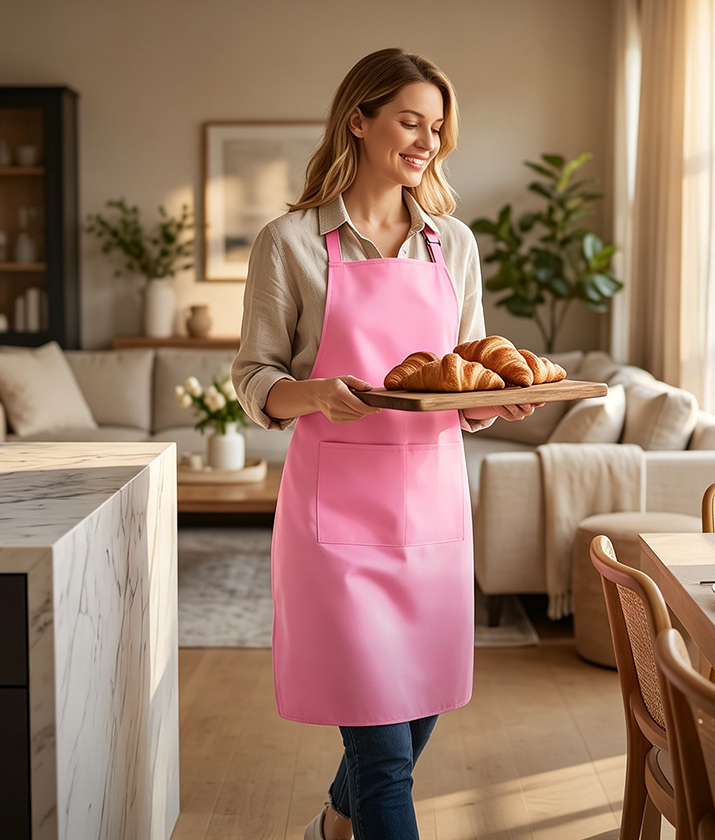
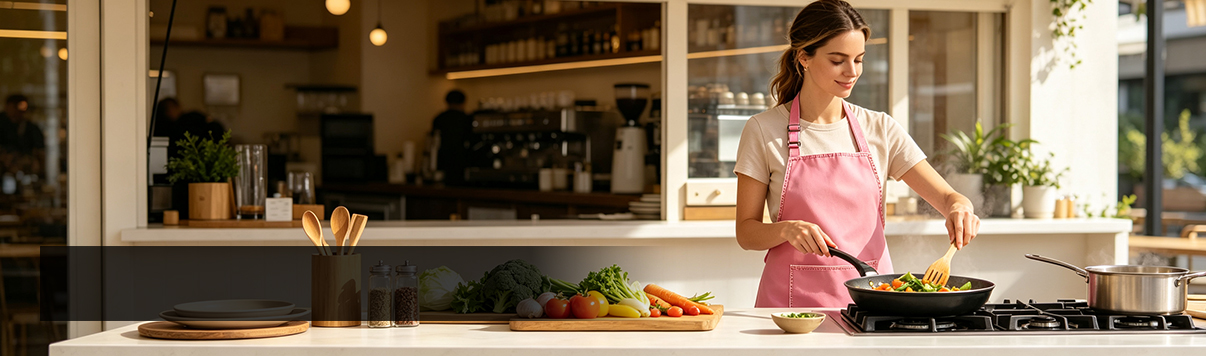
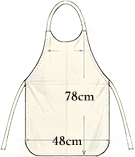
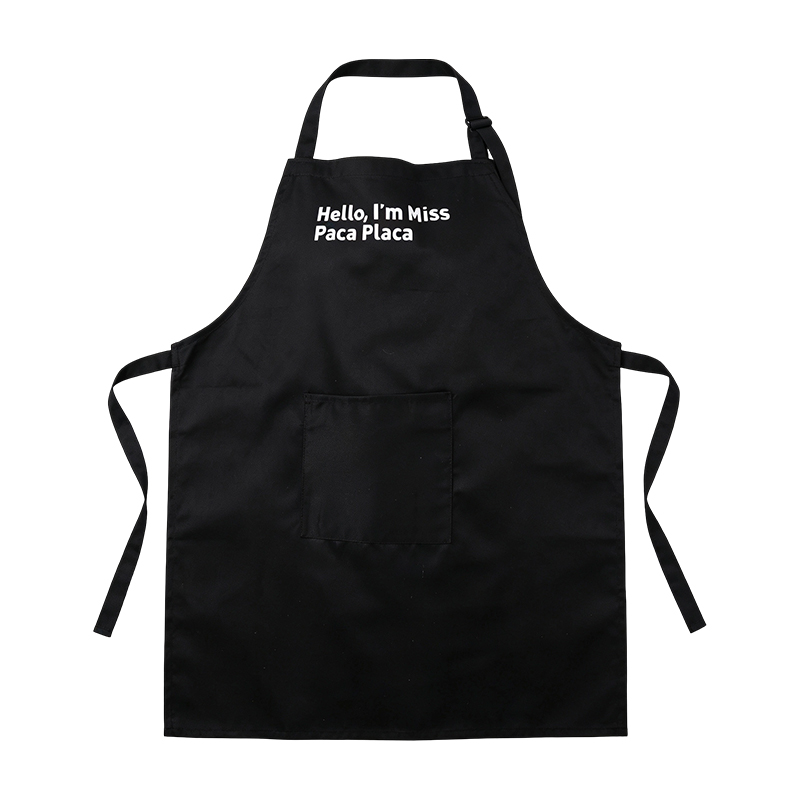
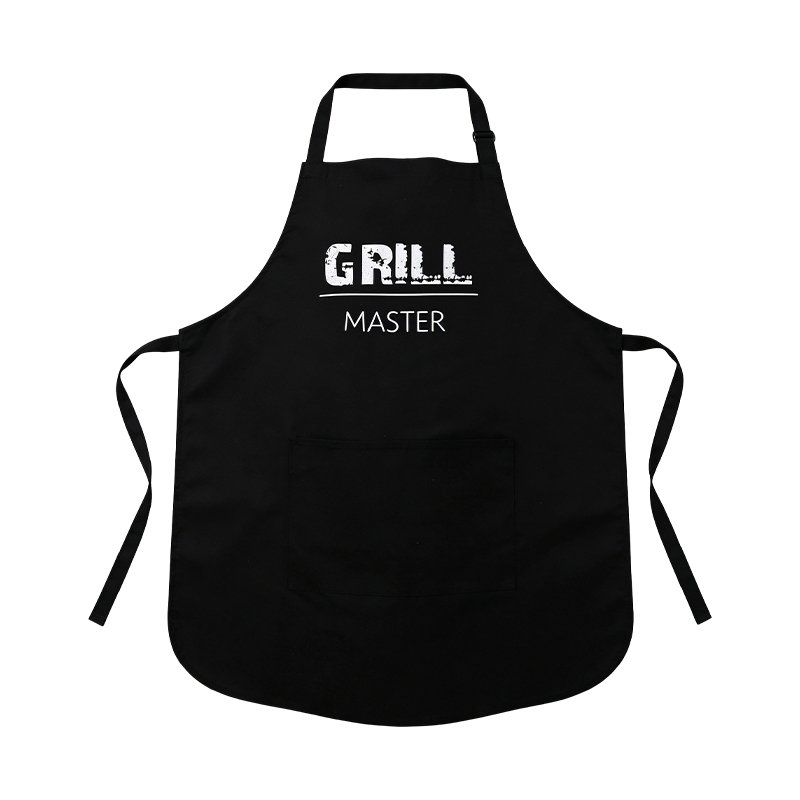
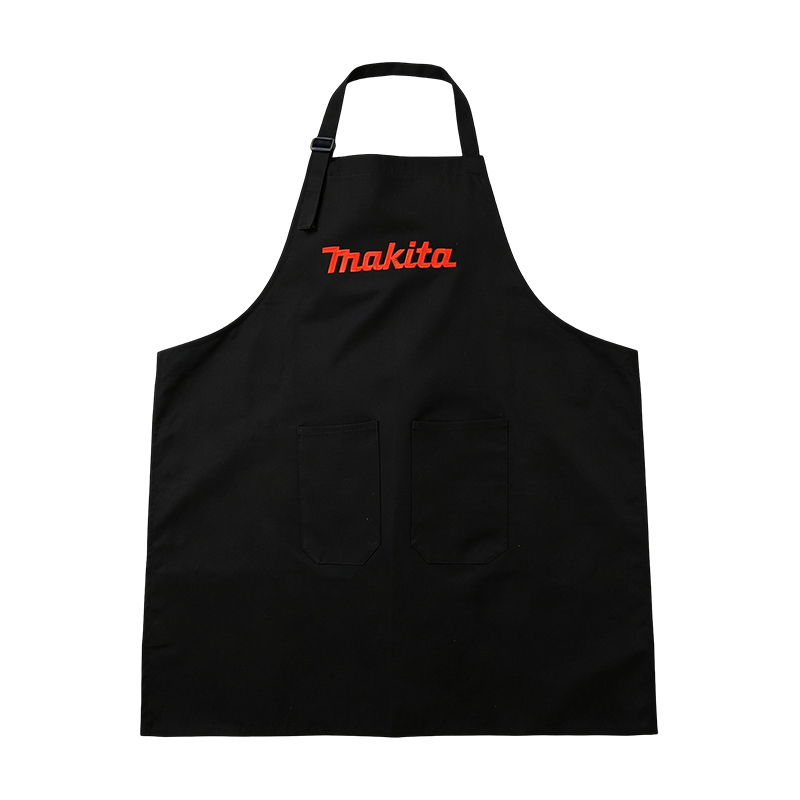
Bib aprons are defined by a chest panel covering the torso and upper chest, connected by an over-the-head neck strap and a waist tie at the back. This full-front coverage makes them the standard choice wherever splashes, spills, or prolonged liquid contact put the upper body at risk, not just the lower body.
Wenzhou Xiangqun Bags Co., Ltd. offers bib aprons across cotton, polyester, and non-woven fabric, with adjustable strap length and pocket configuration confirmed based on the intended work environment before bulk production.
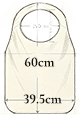
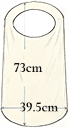
- Custom Common Sizes
- Material Customization
- Printing Customization
- Optional Accessories
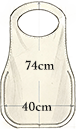
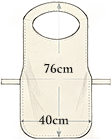
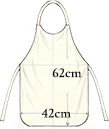
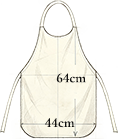
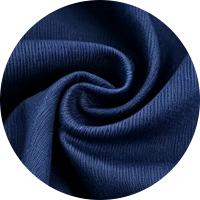 Polyester
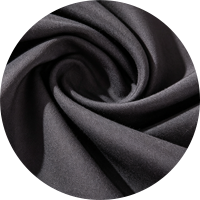 Cotton Wool
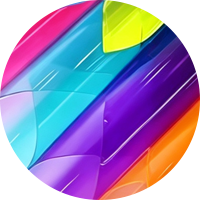 PVC
PVC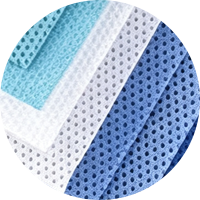 Non‑Woven Fabric
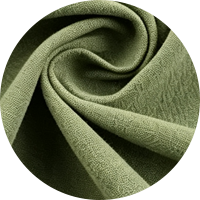 Cotton & Linen
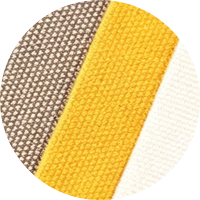 Twill Cotton Fabric
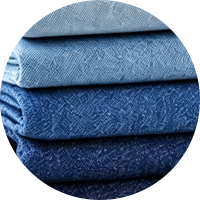 Denim Fabric
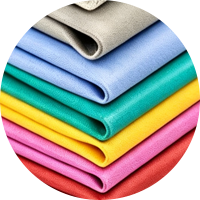 PU Fabric
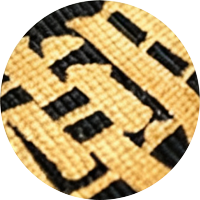 Gold Stamping
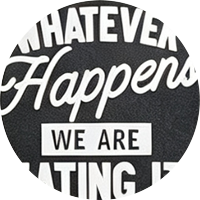 Screen Printing
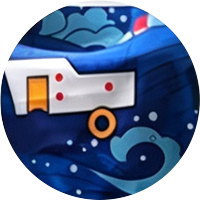 Full‑Page Printing
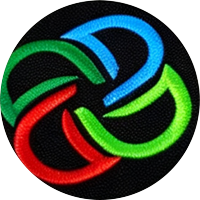 Embroidery
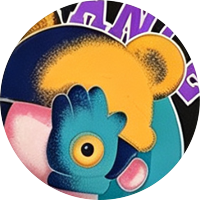 Digital Printing
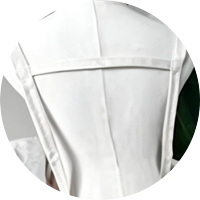 Back‑Belt Type
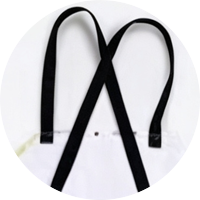 Cross Style
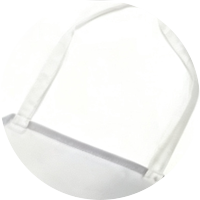 Neck‑Wrap Style
 Customized Labeling
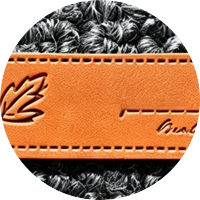 Label On The Skin
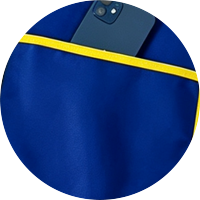 Pocket
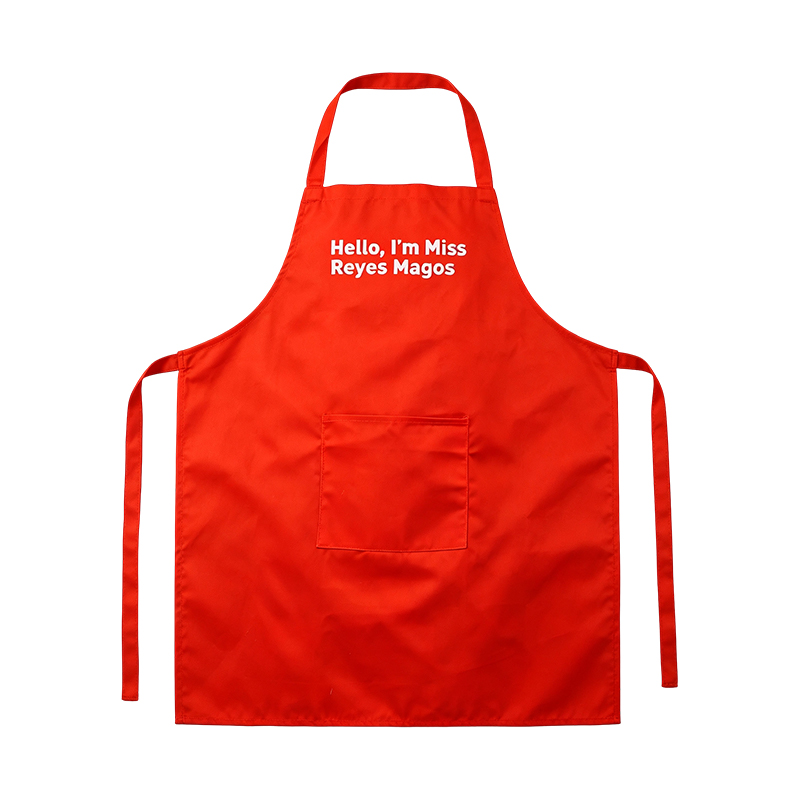
Application Scenarios
Kids aprons are typically sourced for the following B2B procurement scenarios:
-
Restaurant and food service uniforms
-
Bakery and food production
-
Cafes and retail food counters
-
Cleaning and janitorial services
-
Salon and spa services
-
Craft, art, and school programs
-
Industrial and light workshop use
-
Promotional and event branding
Why Choose Bib Aprons
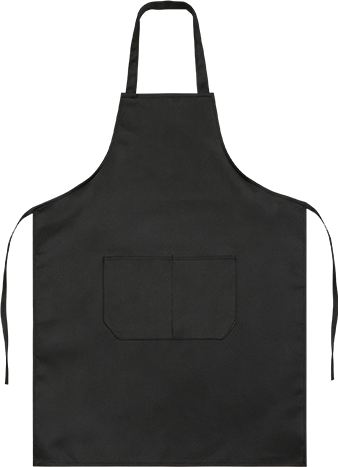
- Proper fit reduces safety and usability issues An apron sized for a child's proportions stays in place without dragging or bunching, which matters in settings like cooking classes where loose fabric near heat or sharp tools is a real concern.
- Simplified closures suit classroom and group settings Elastic neck loops or Velcro closures let teachers or staff outfit a full group of children quickly, without the time cost of tying straps individually for each child.
- Easy-clean fabric reduces replacement frequency Wipeable or machine-washable fabric options hold up to repeated messy use, which matters for schools and studios running the same aprons across multiple sessions or classes.
- Bundling potential with kids' product lines Toy, baking kit, and craft product brands can package kids aprons as an add-on, increasing perceived value of a bundled set without significant cost addition.
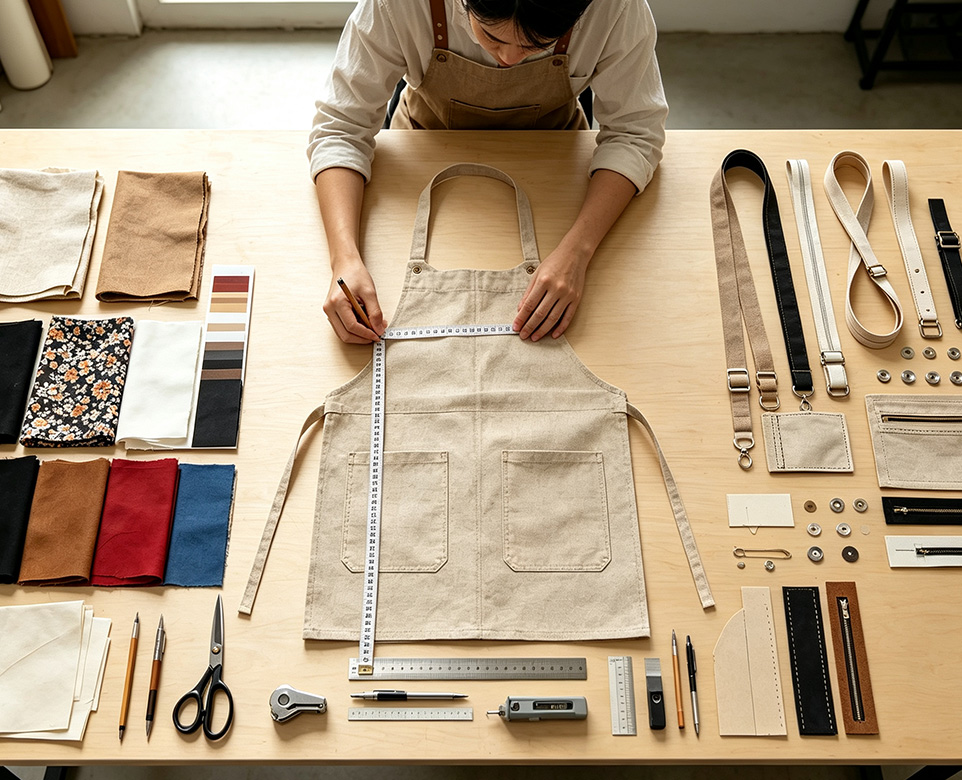
OEM/ODM Capabilities
We invite brand owners, trading companies, and restaurants or hospitality groups to bring their requirements for bib aprons to our team, and we'll work through the following cooperation formats together:
- OEM (Private Label) Production: Aprons built exactly to the logo, color scheme, and dimensions the client supplies;
- ODM (Joint Development): If a client knows the intended work environment — kitchen, front-of-house, or industrial use — and budget but hasn't settled on a fabric type or pocket configuration, our team can recommend an appropriate material, strap hardware, and printing combination;
- Packaging Customization: Outer carton, hang tag, and instruction card branding can be arranged alongside the apron production run;
- Sample Prototyping Service: New clients can request a small trial batch to check fabric quality, stitching, and print results before moving into bulk production;
- Mixed-Specification Orders: Suitable for clients who need multiple fabric types or colors within one order (MOQ and mixed-batch terms should be confirmed directly with our sales team).
Frequently Asked Questions
-
What is your minimum order quantity?
The minimum order quantity starts from 100 pieces. The exact MOQ may vary depending on the product size, material, printing and customization requirements.
-
How long is the production lead time?
The standard production lead time is approximately 7–15 days after the sample and order details are confirmed. The exact delivery time depends on the order quantity and customization requirements.
-
Do you provide design services?
Yes. We provide free design support, including logo placement, printing layout and basic product artwork adjustments according to your requirements.
-
Can you provide a sample before bulk production?
Yes. We provide free sample making so you can confirm the material, size, color, printing and workmanship before mass production.
-
Can I customize the logo, color, size and packaging?
Yes. We support OEM and ODM customization, including product size, material, color, logo printing, handle style, accessories and packaging.
-
How do you control product quality?
Every order undergoes strict quality inspection before shipment. Our QC team checks the material, dimensions, printing, stitching, accessories, quantity and packaging to ensure the products meet the confirmed requirements.