English
 русский
 Español


Product Category
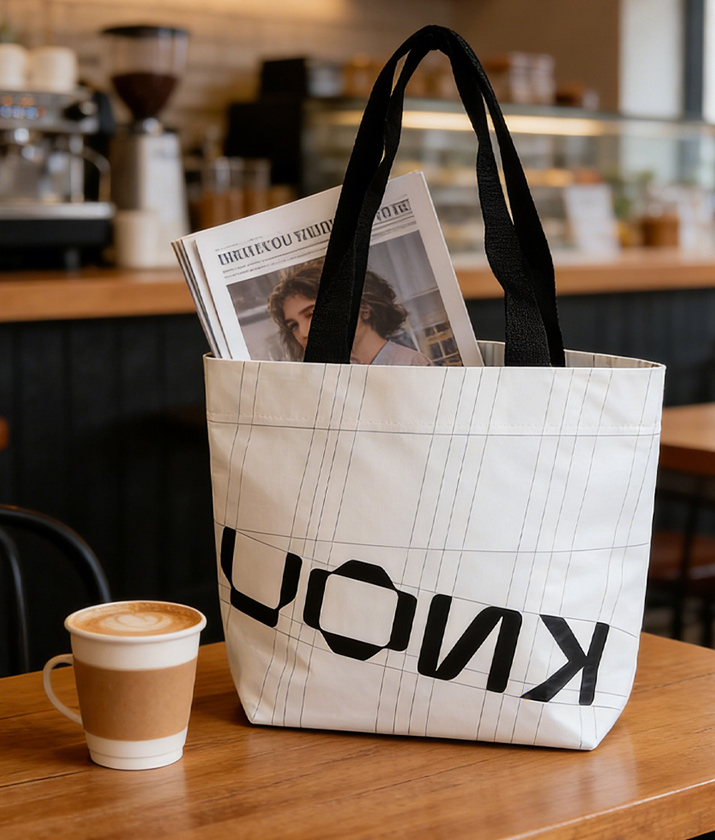
- Non Woven Bags
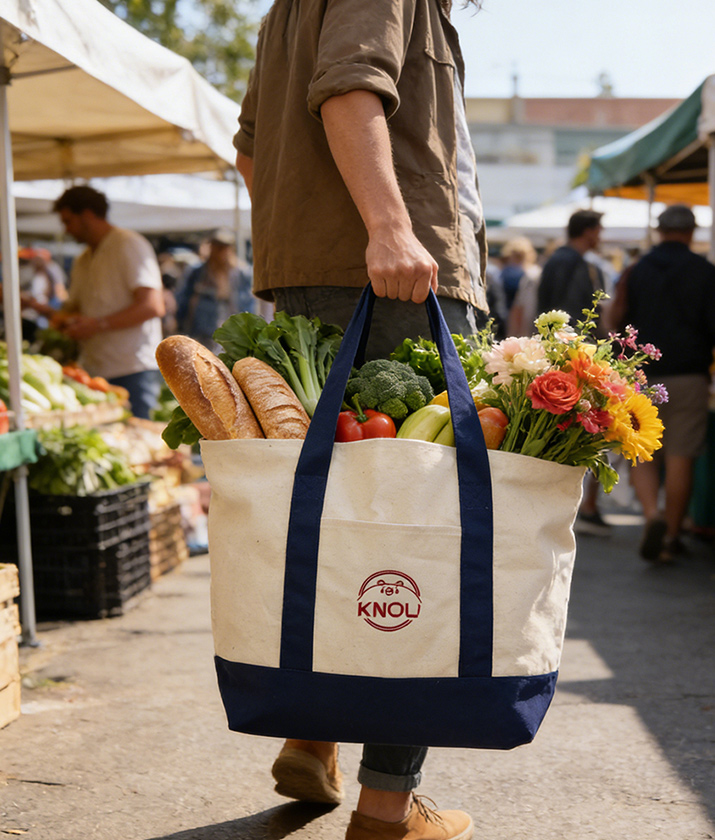
- Cotton & Canvas Bags
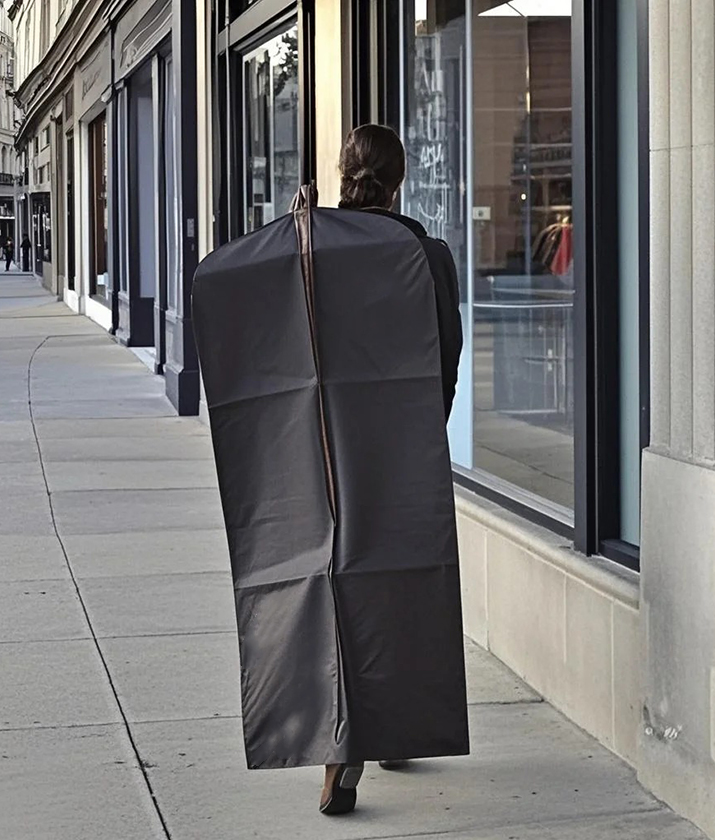
- Garment Bag
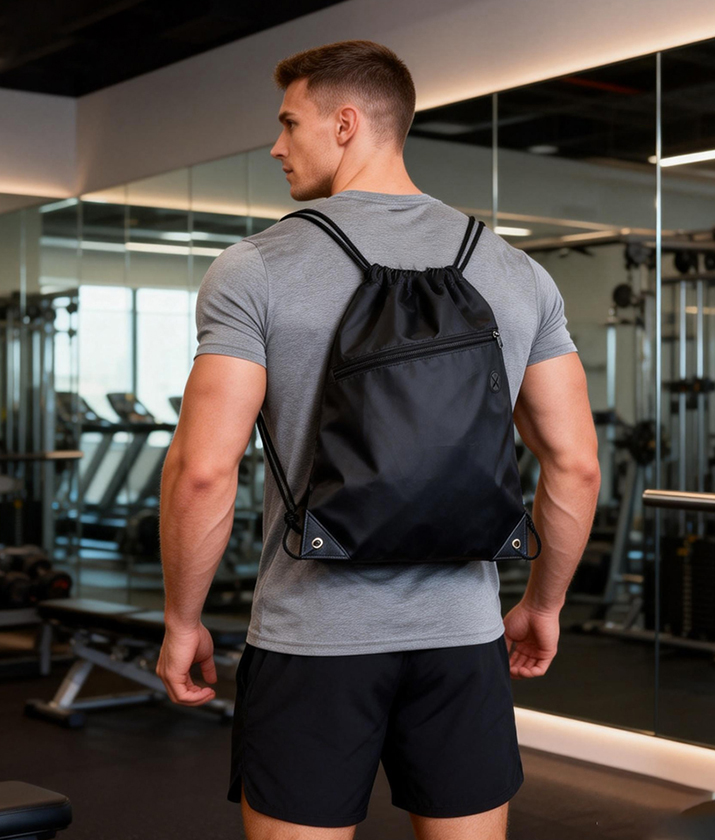
- Drawstring Bag & Backpacks
-
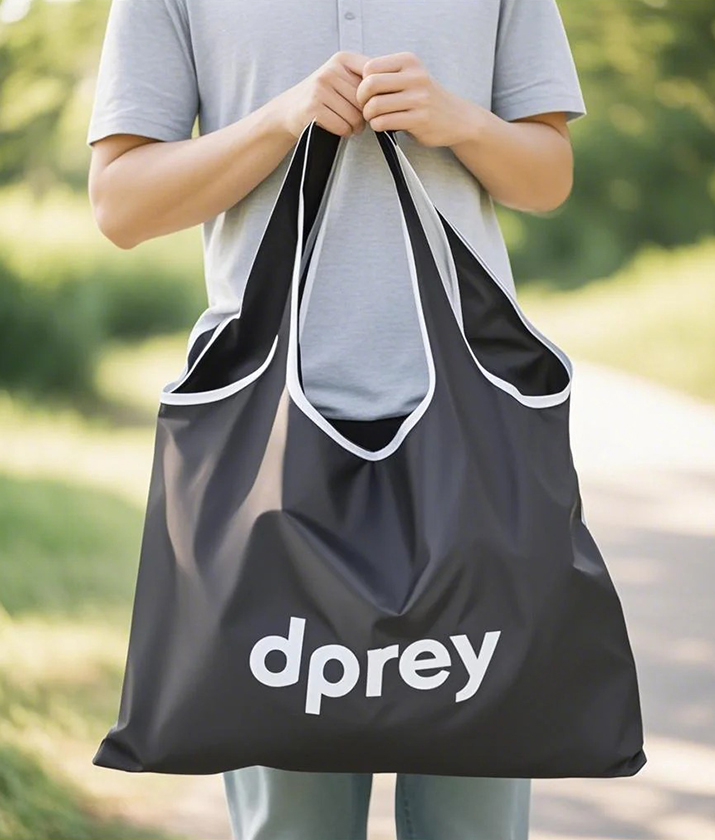
Foldable Polyester Shopping Bag
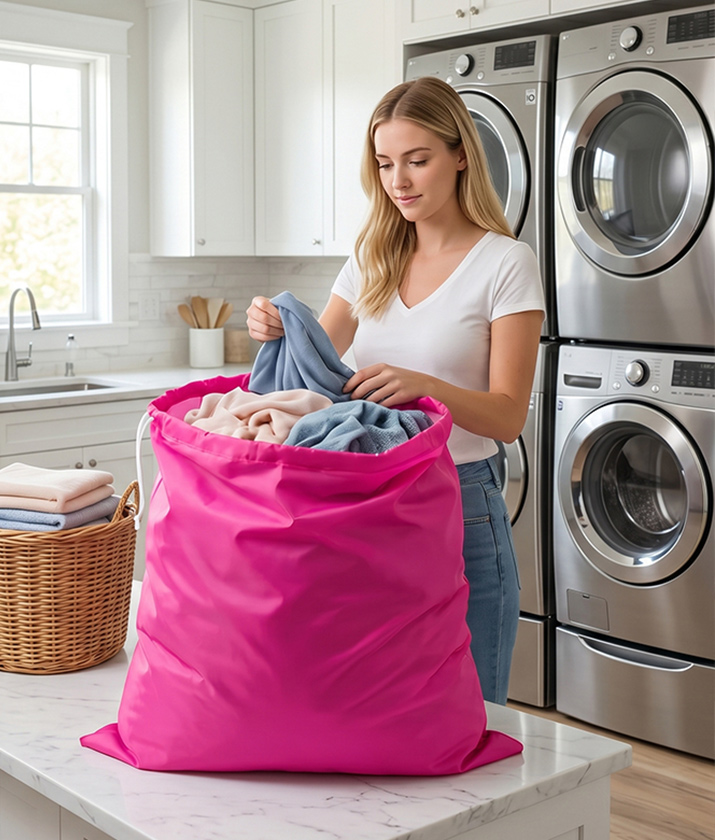
- Laundry Bags
-
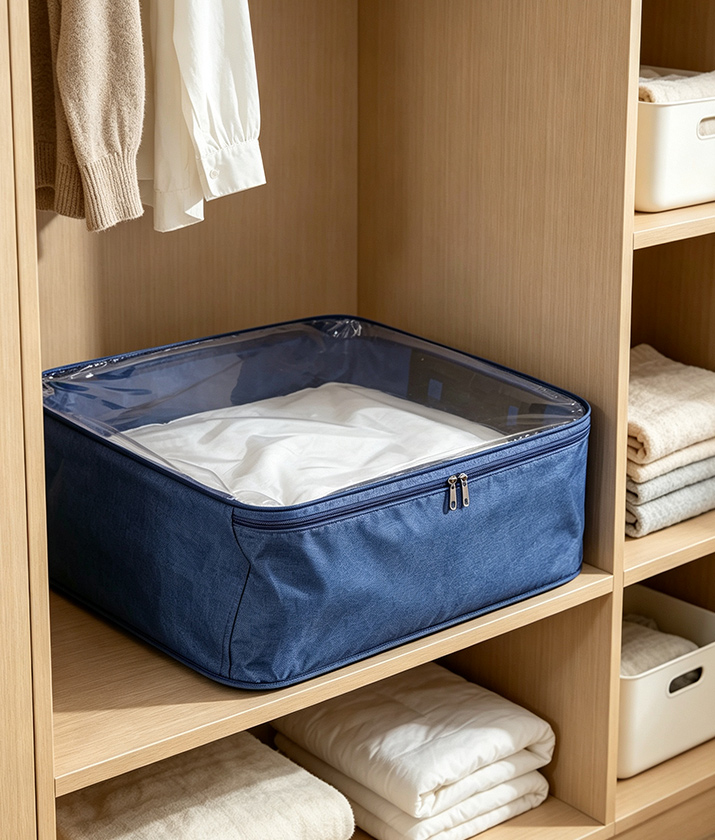
Bedding Storage Bags
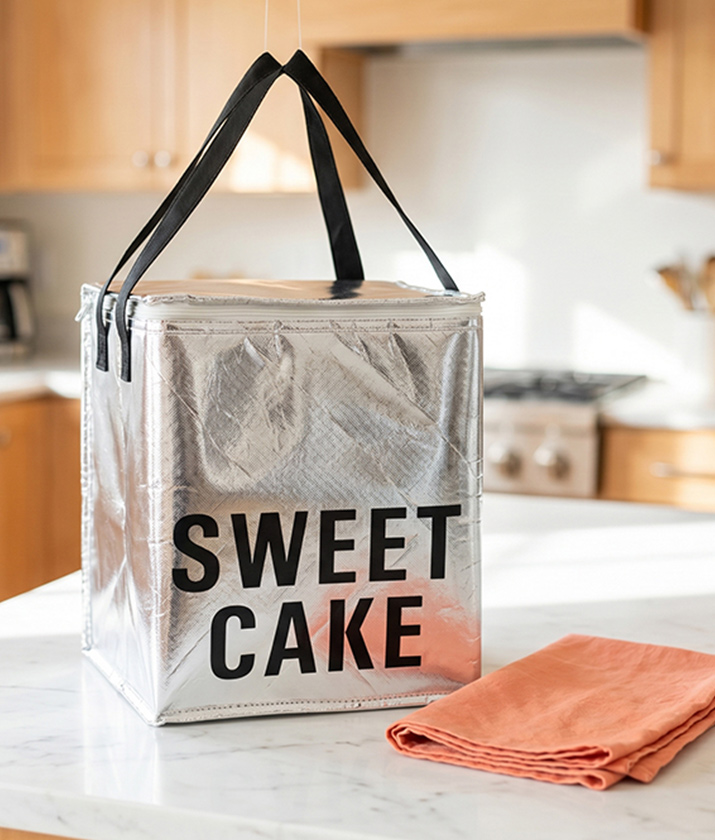
- Cooler Bags
- PVC Bag
-
Duffel Bag
- Aprons
-
Jute Tote Bag
-
Paper Bag
Contatc Us
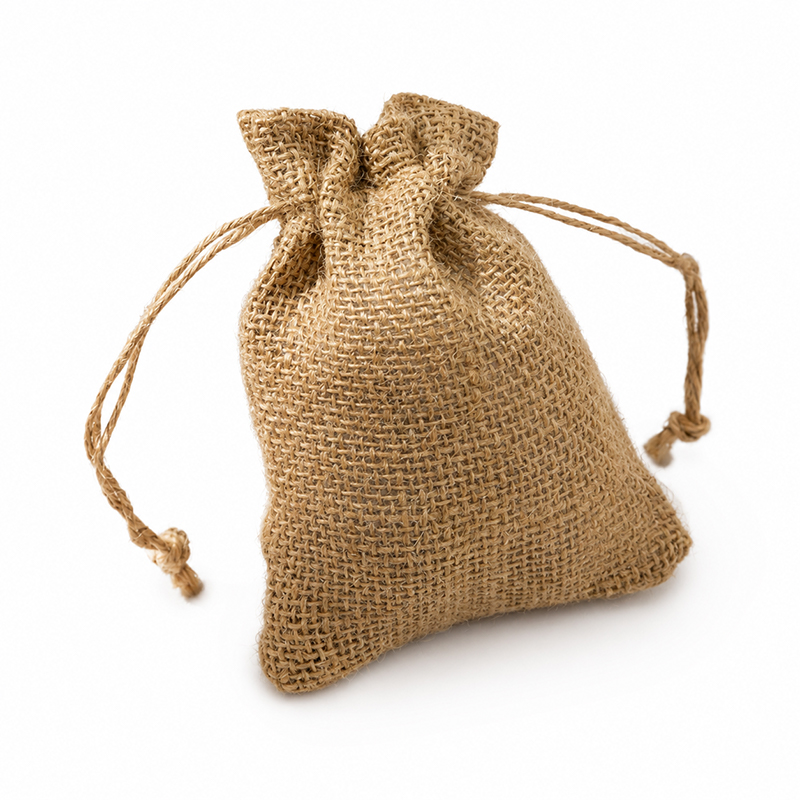
Jute Drawstring Bags
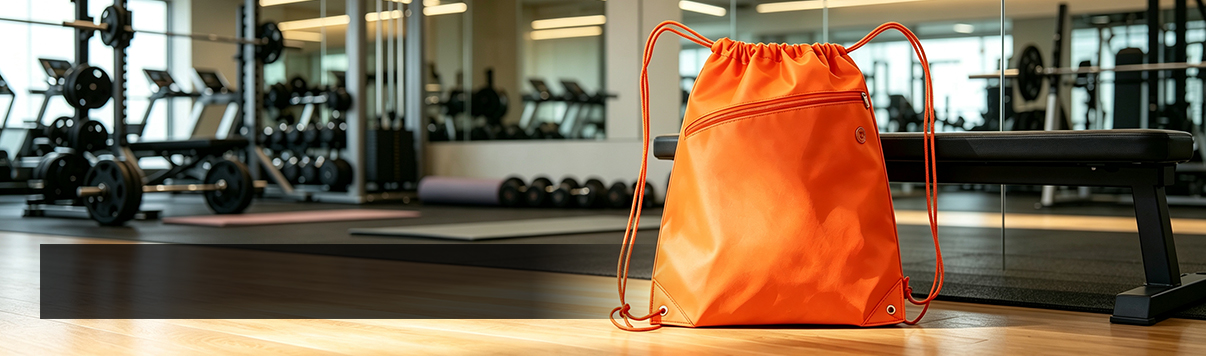
Jute drawstring bags are made from coarse, natural jute fiber, chosen specifically for a raw, rustic texture that cotton or synthetic fabric can't replicate — a shortcut to natural or artisanal branding without added print design. They're best suited to presentation-focused, lower-frequency use, such as coffee, wine, specialty food, or gifting packaging, since jute offers no meaningful moisture resistance and isn't intended for repeated wet-item or heavy-duty use.
Our factory produces jute drawstring bags with adjustable weave tightness — from a classic loose burlap weave to a denser weave for better content containment — and offers a jute-cotton blend option for a softer feel and reduced fiber shedding. We handle full customization on size, drawstring material, and branding method, with production suited to both seasonal gifting-program orders and larger bulk runs.
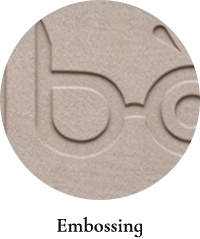
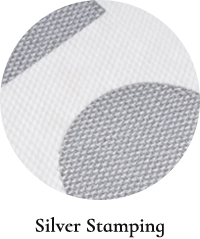
- Style Customization
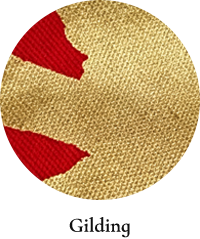
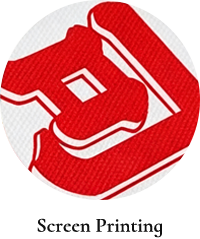
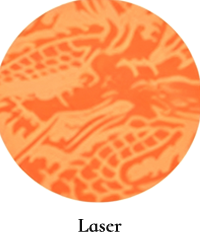
- Print Customization
- Material Customization
- Accessory Selection
- Additional Process Options Are Available



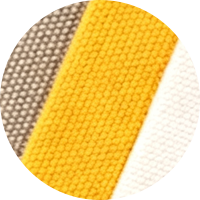 Cotton Fabric
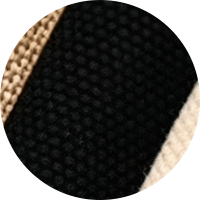 Canvas
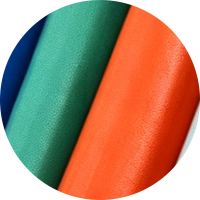 PU
PU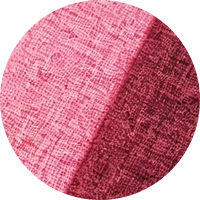 Colored Linen
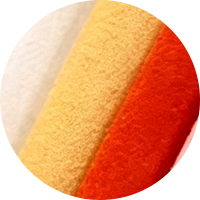 Superfine Leather
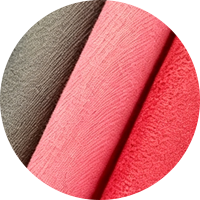 Peach Skin Velvet
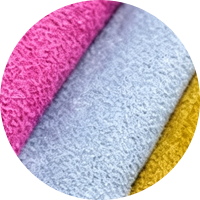 Deerskin Velvet
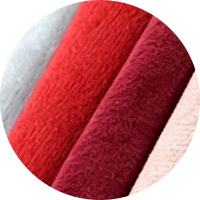 Lise Velvet
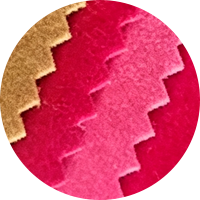 Flocked Fabric
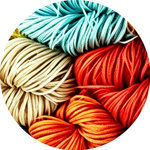 Wax Yellow
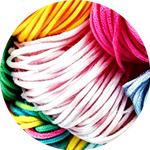 Korean Rope
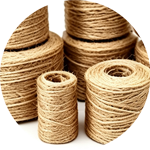 Hemp Rope
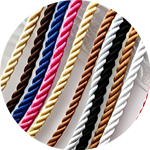 Three‑Strand Rope
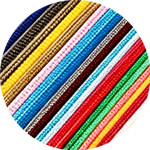 Nylon Rope
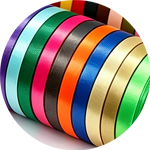 Ribbon
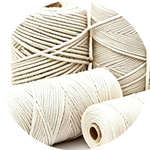 Zipper
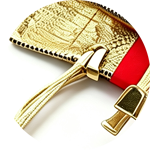 Hanging Buckle
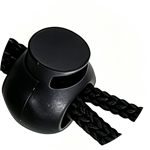 Spring Buckle
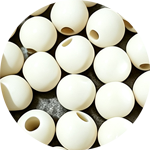 White Wood Beads
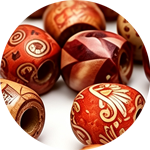 Printed Wooden Beads
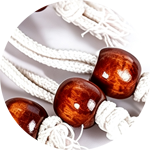 Dark Wood Beads
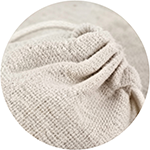 Pingkou
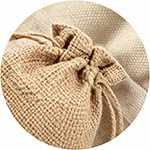 Lace
Lace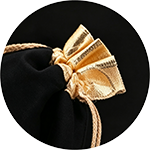 Spliced Gold Edge
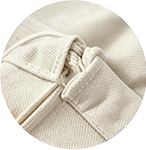 Fold The Two Corners In Half
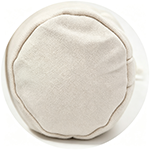 Round Base
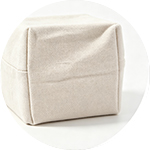 Square Base
Application Scenarios
Jute drawstring bags are commonly sourced for the following B2B procurement scenarios:
-
Coffee, wine, and specialty food packaging
-
Rustic and farmhouse-themed retail gifting
-
Wedding favors with a natural or country theme
-
Seed, bulb, and gardening product packaging
-
Eco and sustainability-focused retail packaging
-
Trade show and market-stall product bags
-
Home Decor and Handicraft Packaging
Why Choose Jute Drawstring Bags
- Visual authenticity for natural and artisanal branding no other material in this category communicates "raw, natural, farm-sourced" as immediately as jute's visible coarse weave and tan-brown base color — a shortcut to rustic branding that doesn't require additional print design to achieve.
- Distinct texture that stands out from smoother fabric options in a market where cotton and polyester drawstring bags are common, jute's rough, tactile surface gives a product a point of physical differentiation on a retail shelf or gift table.
- Strong fit for agricultural and food-adjacent products coffee, wine, seeds, and specialty foods have a natural visual association with jute that reinforces the product's origin story better than a smoother fabric would.
- Cost-competitive for rustic presentation at scale compared to achieving a similar rustic look through printed design on cotton or polyester, sourcing genuine jute fabric is often a more straightforward and cost-effective way to hit that aesthetic directly through the material itself.
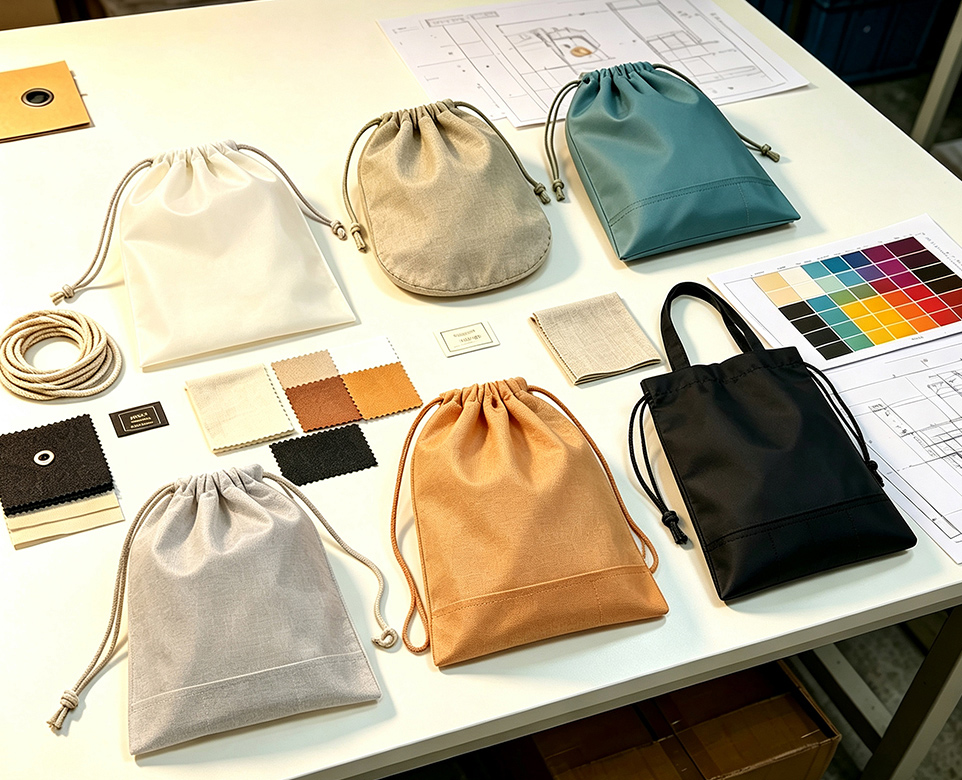
OEM/ODM Capabilities
We invite brand owners, trading companies, and gift or specialty retail buyers to bring their requirements for jute drawstring bags to our team, and we'll work through the following cooperation formats together:
- OEM (Private Label) Production: Bags built exactly to the logo, color scheme, and dimensions the client supplies;
- ODM (Joint Development): If a client knows the intended product — coffee, wine, gifting, or gardening — and budget but hasn't settled on a weave tightness or fiber blend, our team can recommend an appropriate weave, blend ratio, and branding method;
- Packaging Customization: Outer carton, hang tag, and instruction card branding can be arranged alongside the bag production run;
- Sample Prototyping Service: New clients can request a small trial batch to check weave tightness, fiber feel, and print clarity before moving into bulk production;
- Mixed-Specification Orders: Suitable for clients who need multiple sizes or weave types within one order (MOQ and mixed-batch terms should be confirmed directly with our sales team).
Frequently Asked Questions
-
What is your minimum order quantity?
The minimum order quantity starts from 100 pieces. The exact MOQ may vary depending on the product size, material, printing and customization requirements.
-
How long is the production lead time?
The standard production lead time is approximately 7–15 days after the sample and order details are confirmed. The exact delivery time depends on the order quantity and customization requirements.
-
Do you provide design services?
Yes. We provide free design support, including logo placement, printing layout and basic product artwork adjustments according to your requirements.
-
Can you provide a sample before bulk production?
Yes. We provide free sample making so you can confirm the material, size, color, printing and workmanship before mass production.
-
Can I customize the logo, color, size and packaging?
Yes. We support OEM and ODM customization, including product size, material, color, logo printing, handle style, accessories and packaging.
-
How do you control product quality?
Every order undergoes strict quality inspection before shipment. Our QC team checks the material, dimensions, printing, stitching, accessories, quantity and packaging to ensure the products meet the confirmed requirements.