English
 русский
 Español



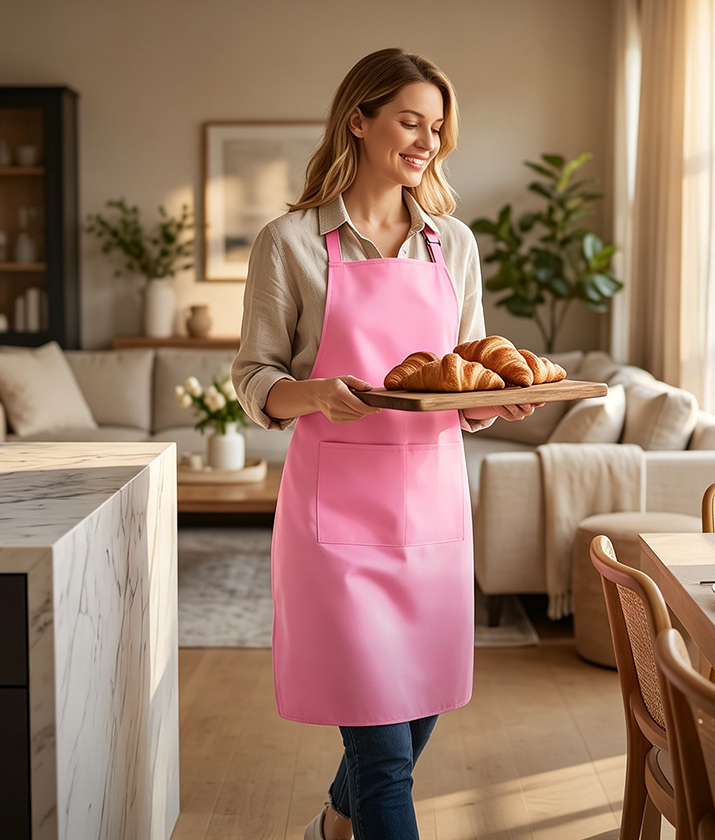

Are Linen Apron With Pockets Options Ideal for Restaurant Use?
2026-07-24
Hospitality buyers comparing uniform suppliers keep weighing the same practical trade-off: a linen apron with pockets looks the part in a farm-to-table dining room, but does the fabric actually hold up against grease splatter, repeated commercial laundering, and the sanitation standards a restaurant kitchen requires? Sourcing teams supplying food service, retail, and home-and-garden markets increasingly find the answer depends less on the fabric itself and more on finishing treatments and certification a buyer rarely sees on a basic spec sheet.
Care Standards for Commercial Laundering
Home washing and commercial laundering put very different stress on natural fiber fabric. Industrial laundry facilities run hotter wash cycles and stronger detergents than a home machine, which accelerates fiber breakdown on untreated linen blends far faster than a care label written for home use would suggest. A linen apron with pockets intended for restaurant or catering programs typically needs a finishing treatment that improves colorfastness and shrink resistance under these harsher commercial conditions, since a garment that shrinks even slightly after repeated industrial washing no longer fits the strap adjustment range it was designed around.
Grease and oil stains present a separate challenge for kitchen environments compared to the light soiling a retail or gifting apron encounters. Some factories treat linen blends with a soil-release finish that helps oil-based stains lift more completely during washing, a detail buyers sourcing for full-service kitchens increasingly request test data on rather than assuming a natural fiber blend performs the same across different soil types.
|
Use Case |
Primary Stress Factor |
Recommended Feature |
|
Restaurant kitchen |
Grease, heat, frequent laundering |
Soil-release finish, reinforced seams |
|
Retail or barista counter |
Light staining, daily wear |
Standard blend, deep pocket |
|
Garden or workshop |
Abrasion, outdoor soil |
Heavier GSM, durable stitching |
|
Corporate gifting |
Occasional use, display quality |
Lighter GSM, decorative finish |
Matching Fabric Weight to the Use Case
A single fabric specification rarely serves every buyer sourcing this category, and that gap is largely what drives distributors to request weight and blend options rather than a single standard offering. Retail and barista settings favor a lighter, more breathable linen apron with pockets since staff wear the garment for full shifts in warm indoor environments, while garden centers and workshops lean toward a heavier weave that resists abrasion from tools and outdoor debris. Kitchen environments sit in between, needing enough weight to resist heat and splatter without becoming uncomfortably heavy over a long service shift.
Strap and neck adjustment design shifts along with use case as well. A kitchen apron intended for long shifts benefits from a padded or wider neck strap that distributes weight more evenly, while a lighter promotional or gifting version can use a simpler fixed strap since extended wear comfort matters less for occasional use.
Certification and Food-Safety Considerations
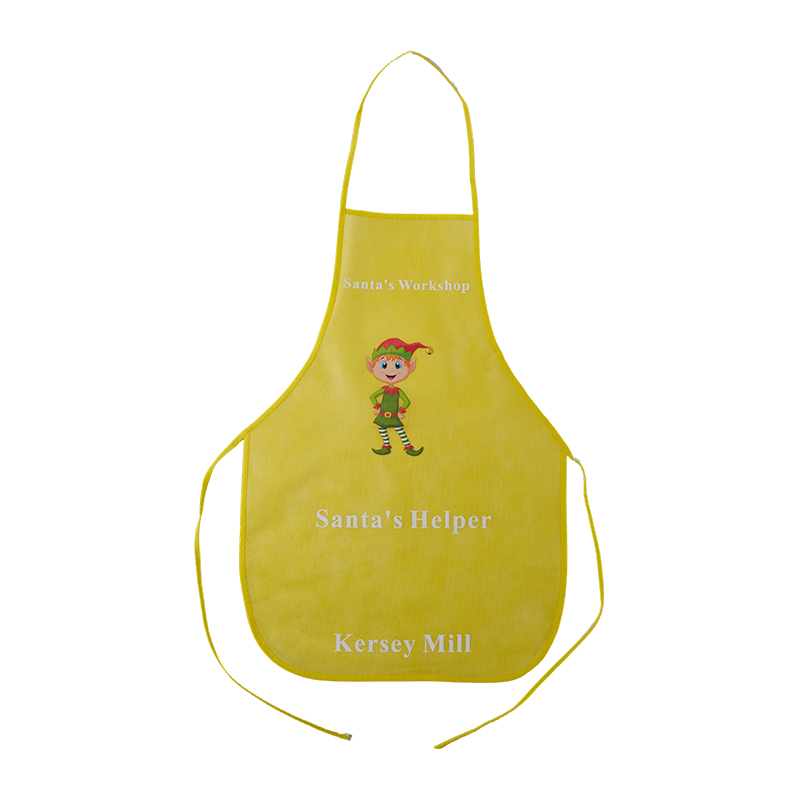
Buyers sourcing for food-service programs increasingly request Oeko-Tex or similar textile certification confirming the fabric and applied finishes contain no harmful residues that could transfer during food handling. This certification matters more for a linen apron with pockets used in direct food preparation than for a decorative or gifting version, since the apron surface makes repeated contact with hands actively handling food throughout a shift.
Dye chemical safety draws similar scrutiny, particularly on darker colorways where dye concentration runs higher. Buyers auditing new suppliers for food-service programs now check dye chemical compliance documentation alongside the standard fabric composition label, treating this as a baseline requirement rather than a premium add-on for programs serving commercial kitchens.
Sustainability Positioning in Promotional Sourcing
Linen's natural fiber origin has become a genuine selling point for buyers building sustainability-focused promotional programs, since linen requires less water and fewer pesticides to grow than conventional cotton. Distributors marketing an eco-friendly apron line increasingly ask suppliers for fiber sourcing documentation, including flax origin and processing method, since buyers now expect more than a general "natural fiber" claim on packaging aimed at environmentally conscious corporate clients.
CNXQ Bag positions its linen apron with pockets offerings around use-case-specific fabric weights, commercial-grade finishing treatments, and documented food-safety certification, giving distributors across hospitality, retail, and promotional channels a sourcing reference matched to actual end-use conditions rather than a single generic specification.
Recommended Products