English
 русский
 Español















Cotton Tote Bag Offers Reusable Shopping Alternative
2026-05-22
The cotton tote bag has become a common sight in grocery stores and bookshops as consumers shift away from single-use plastic carriers. Unlike disposable bags that tear easily, a cotton tote bag offers durability for repeated trips and heavier loads. Retailers have promoted the cotton tote bag as a practical option for everyday shopping. The natural fiber construction of a cotton tote bag appeals to buyers seeking lower environmental impact. Manufacturers continue to produce cotton tote bag units in various sizes and colors.
Material specifications for a cotton tote bag determine its strength and feel. A standard cotton tote bag uses woven fabric weighing between 8 and 12 ounces per square yard. A lightweight cotton tote bag suits book carrying and light produce shopping. A heavy-duty cotton tote bag with 12 to 16 ounce canvas handles canned goods and bottles. The weave density of a cotton tote bag affects how much weight the fabric holds. An unbleached cotton tote bag appeals to buyers preferring undyed textiles.
Handle design of a cotton tote bag affects carrying comfort and load distribution. Short handles on a cotton tote bag measure 10 to 12 inches for hand carrying. Long handles on a cotton tote bag extend 20 to 24 inches for shoulder carrying. Reinforced handle stitching on a cotton tote bag prevents tearing at attachment points. The handle width on a cotton tote bag influences pressure points when carrying heavy loads. A well-designed cotton tote bag distributes weight evenly across both handles.
Construction quality of a cotton tote bag determines its lifespan through repeated use. Double-stitched seams on a cotton tote bag resist opening under load better than single stitching. A boxed bottom on a cotton tote bag allows the bag to stand upright on surfaces. The stitching thread for a cotton tote bag should be polyester for durability. A gusseted side panel on a cotton tote bag expands capacity for larger items. The hem finish at the top edge of a cotton tote bag prevents fraying over years of use.
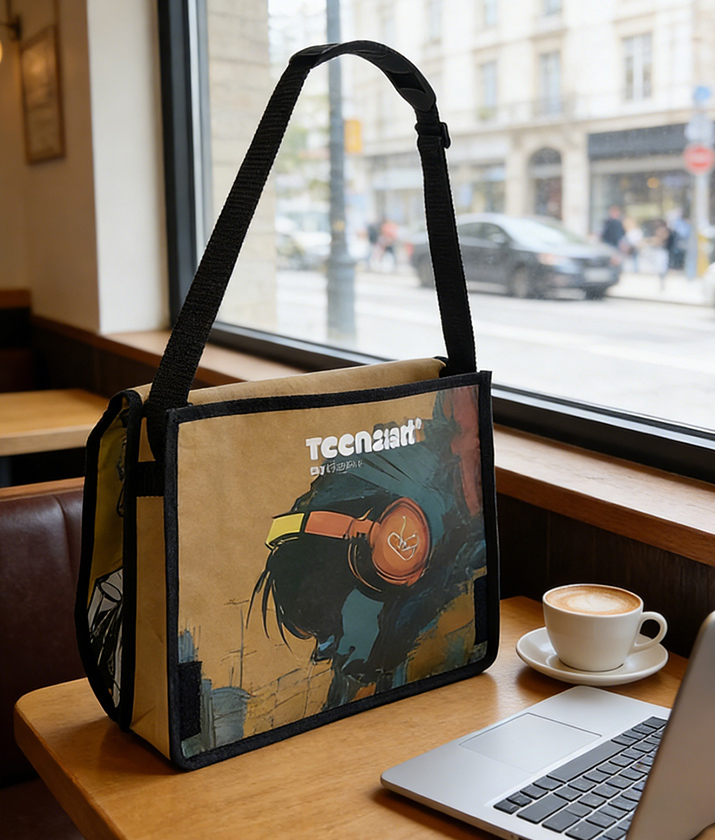
Printing options for a cotton tote bag include screen printing and heat transfer. A screen-printed design on a cotton tote bag provides good durability at lower cost for large quantities. A heat transfer on a cotton tote bag works for full-color images or smaller batches. An embroidered logo on a cotton tote bag offers permanent decoration that withstands washing. The print location on a cotton tote bag typically centers on one side. A printed cotton tote bag serves as a promotional item for events and campaigns.
Care instructions for a cotton tote bag affect how well the bag maintains appearance. Machine washing a cotton tote bag in cold water removes dirt without significant shrinkage. Air drying a cotton tote bag preserves dimensions better than machine drying. A cotton tote bag with screen printing should be turned inside out before washing. Ironing a cotton tote bag removes wrinkles that accumulate during storage. A cotton tote bag that receives regular washing will eventually show fading and fabric softening.
The cotton tote bag will likely remain a popular reusable shopping option. For shoppers seeking a durable, washable alternative to plastic, the cotton tote bag offers a practical solution.

Recommended Products