English
 русский
 Español






Non-Woven Tote Bags Gain Popularity
2026-03-06
The reusable bag market continues expanding with non-woven tote bags emerging as a preferred option for environmentally conscious consumers and businesses seeking practical, eco-friendly carrying solutions. These lightweight bags, manufactured from polypropylene fibers bonded together through heat and pressure rather than traditional weaving, offer durability, affordability, and reusability that appeal to diverse user groups worldwide. The growing adoption of non-woven tote bags reflects broader shifts toward sustainable consumption patterns and reduced single-use plastic dependence.
Retailers and grocery chains have increasingly embraced non-woven tote bags as alternatives to disposable plastic and paper options. These bags provide sufficient strength for typical shopping loads while folding compactly for convenient storage between uses. The affordability of non-woven tote bags allows retailers to offer them at small cost or include them in promotional programs encouraging customers to reduce disposable bag consumption. Many shoppers now maintain collections of non-woven tote bags in vehicles and homes for unplanned shopping trips.
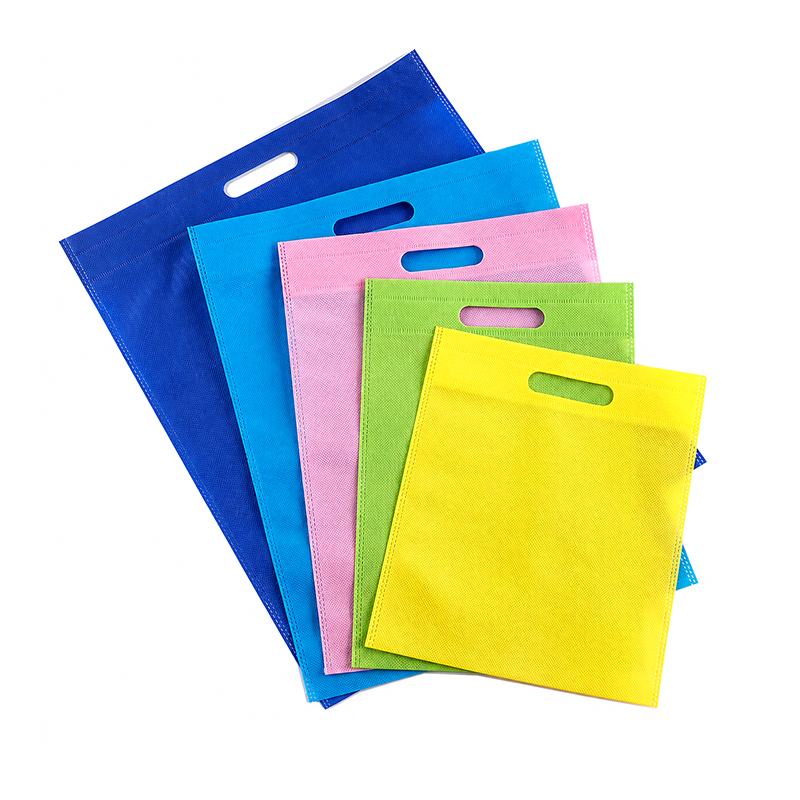
The manufacturing process for non-woven tote bags differs fundamentally from traditional textile production. Fibers are bonded through mechanical, thermal, or chemical means rather than woven or knitted, creating fabric with specific characteristics suited to bag applications. This production method enables efficient manufacturing of non-woven tote bags at scale, keeping costs low while maintaining consistent quality. The resulting material resists tearing and handles repeated use well, justifying the environmental benefits of reuse compared to single-use alternatives.
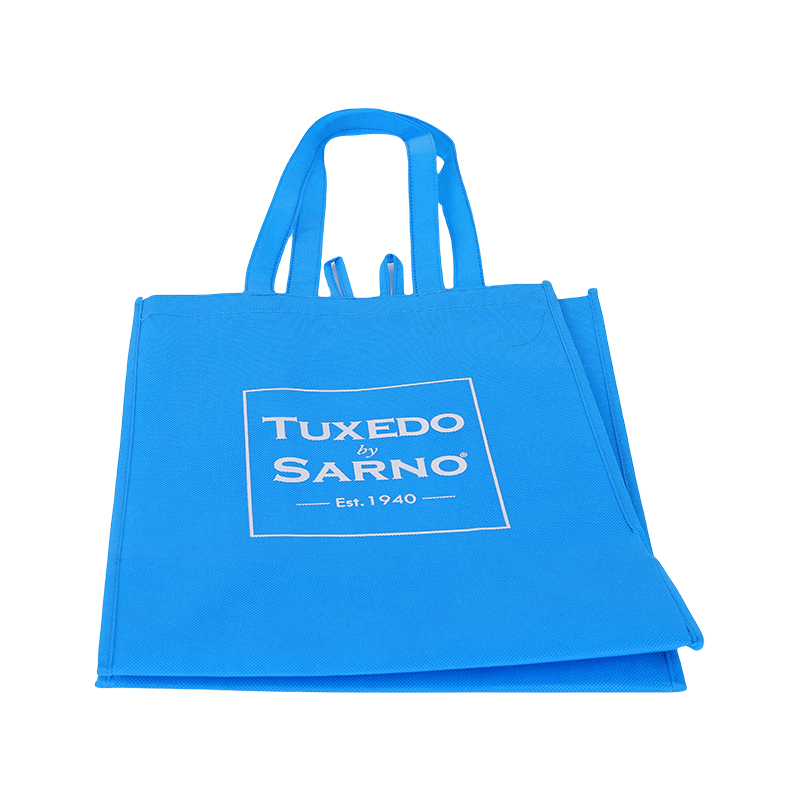
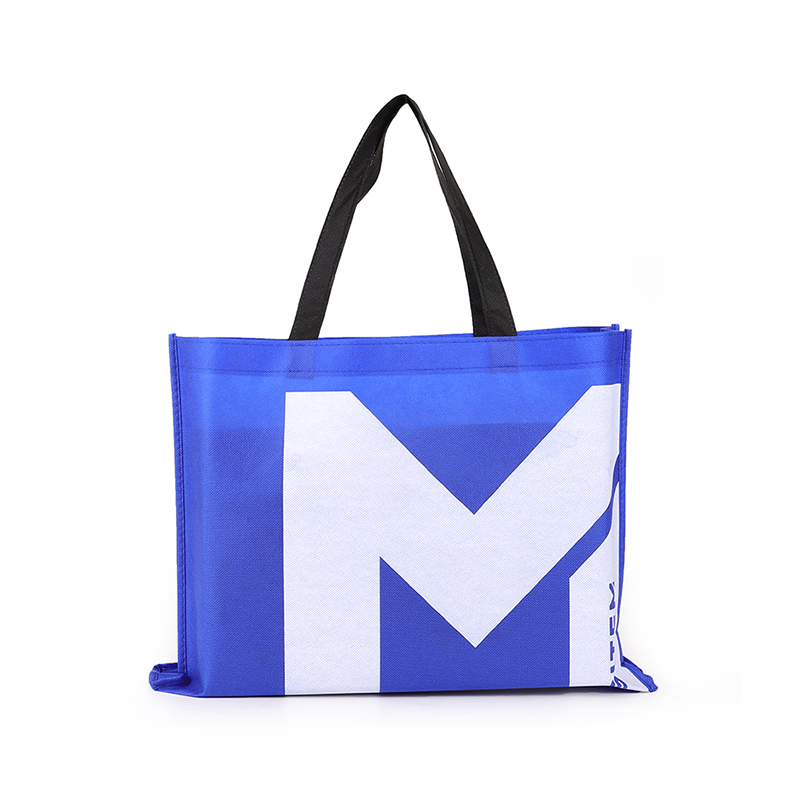
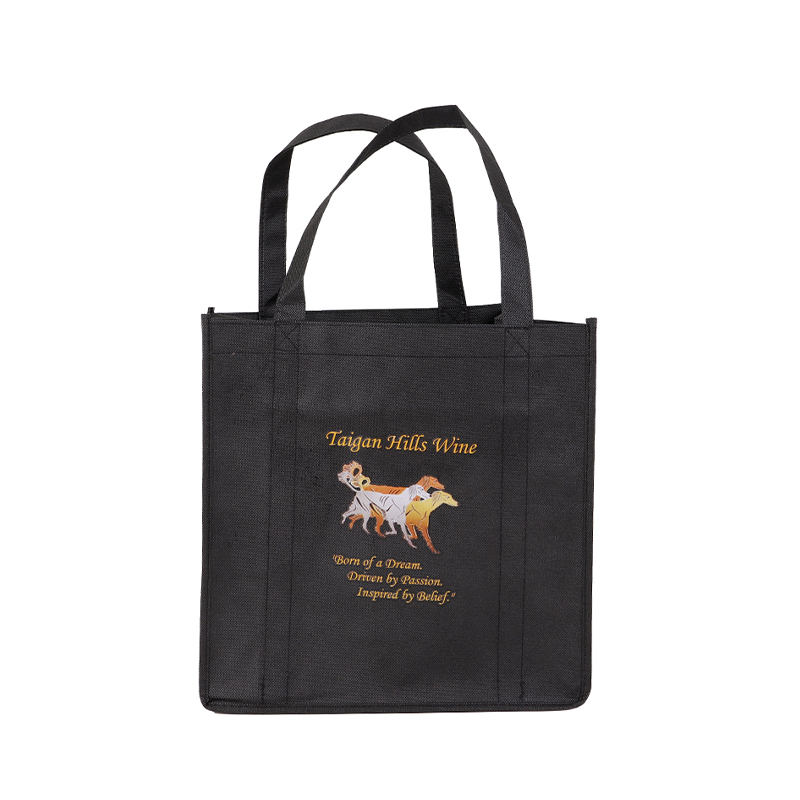
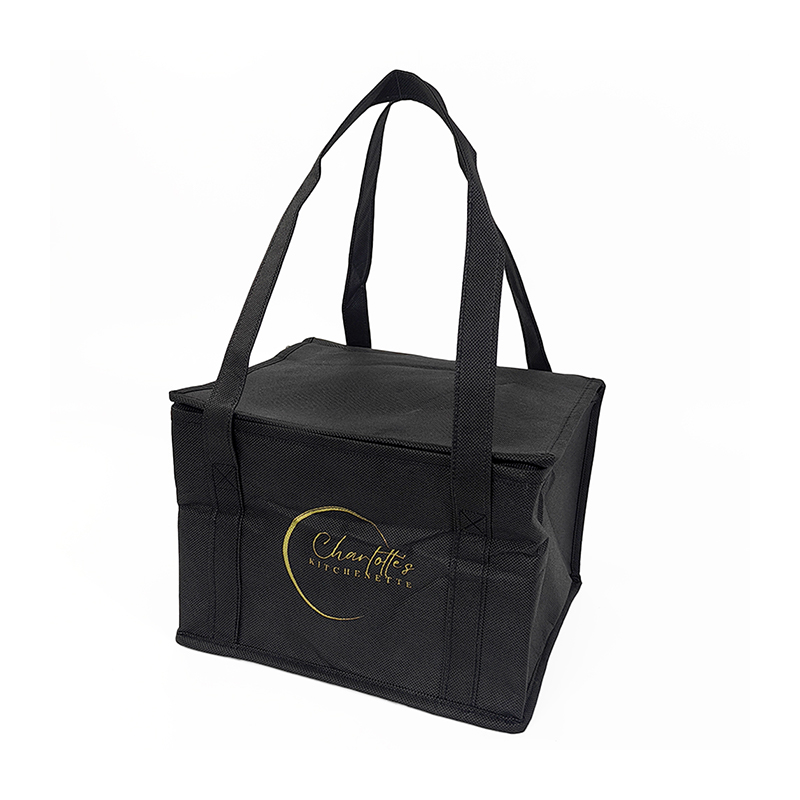
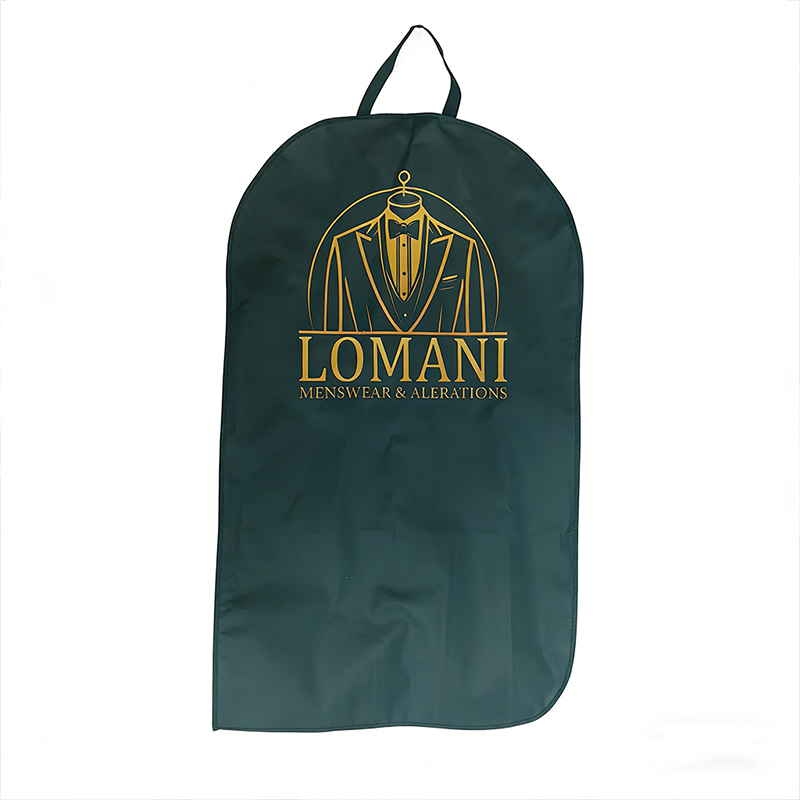
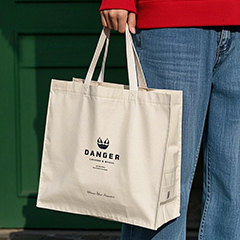
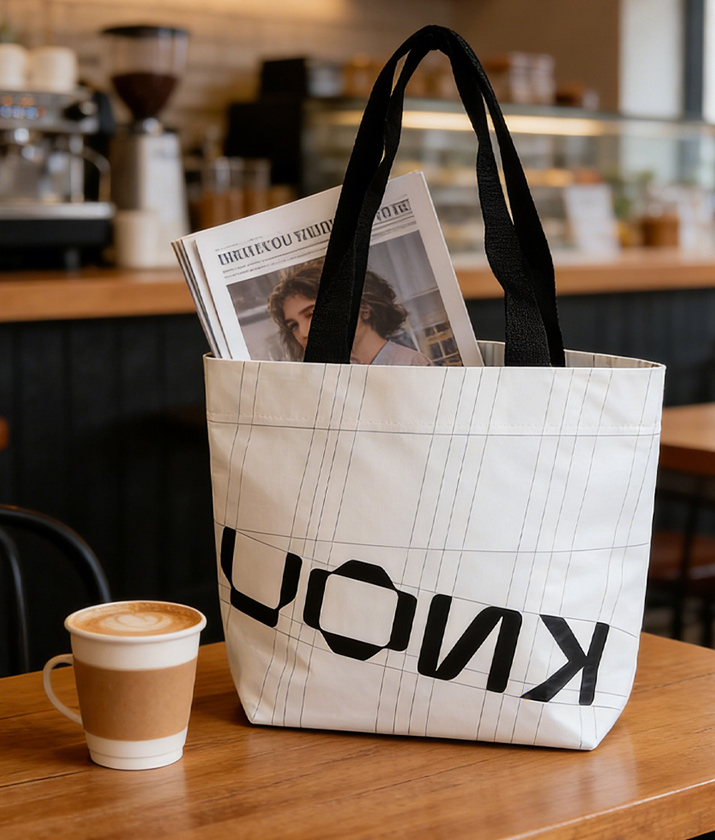
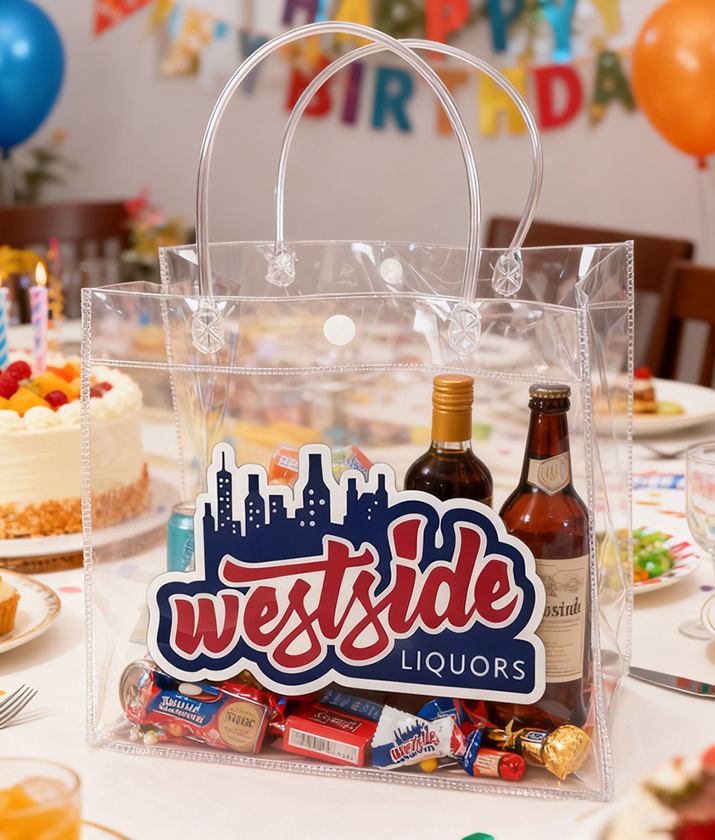
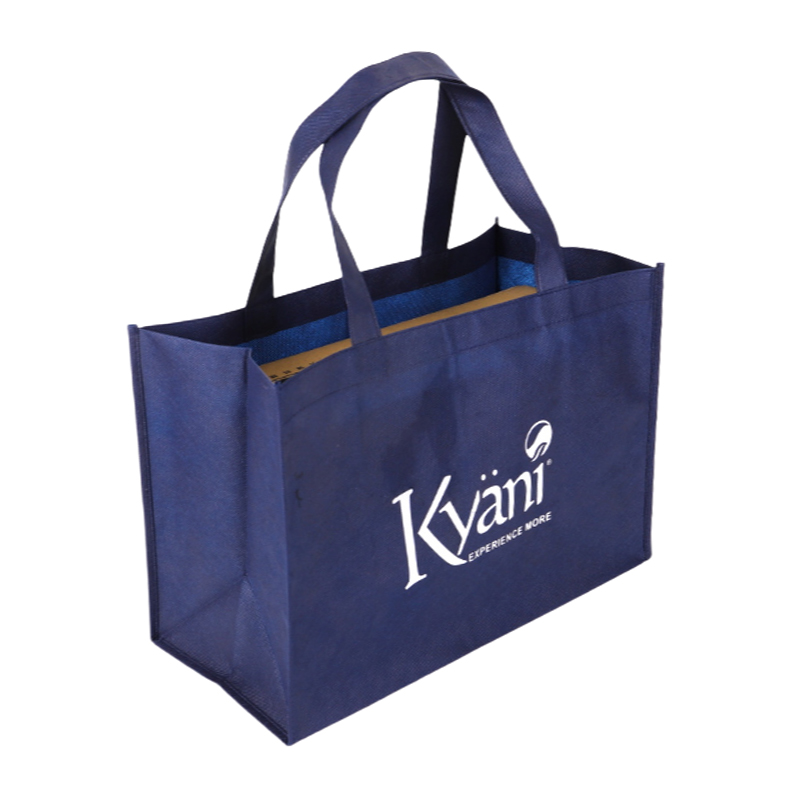
Customization capabilities have driven significant demand for non-woven tote bags in promotional and corporate gifting applications. The smooth surface accepts various printing techniques, allowing businesses to display logos, messages, and designs prominently. Companies distribute branded non-woven tote bags at trade shows, corporate events, and as customer gifts, gaining repeated exposure as recipients use the bags for shopping and daily activities. This marketing effectiveness, combined with practical utility, makes non-woven tote bags popular promotional items.
Environmental considerations increasingly influence consumer preferences, benefiting non-woven tote bag adoption. As awareness of plastic pollution grows, shoppers actively seek alternatives that reduce environmental impact. Non-woven tote bags offer reusability that significantly lowers per-use environmental footprint compared to single-use bags, provided consumers actually reuse them multiple times. Educational campaigns emphasizing this message have increased proper usage patterns among environmentally motivated shoppers.
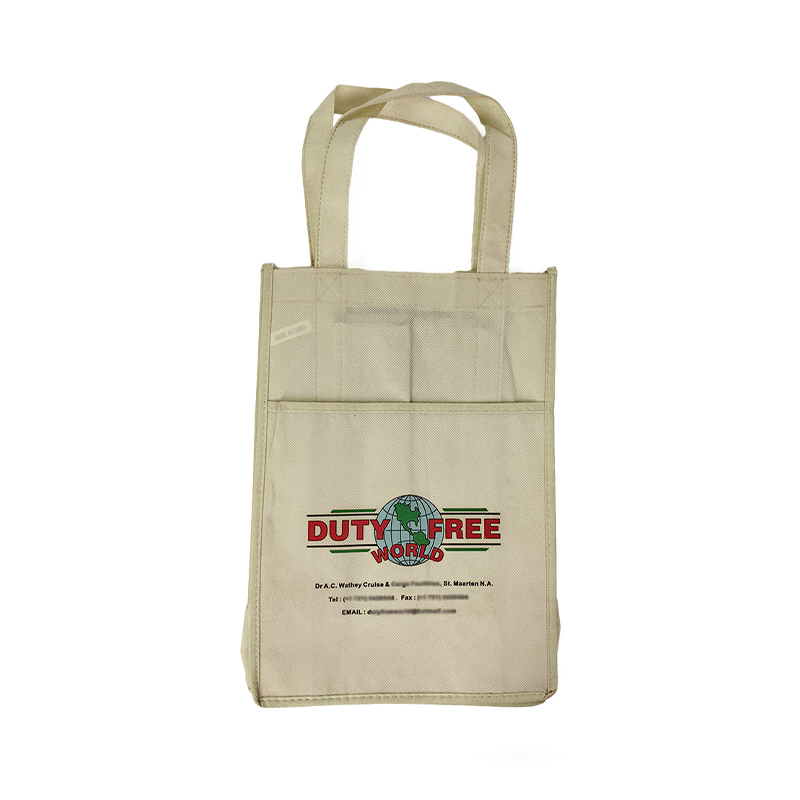
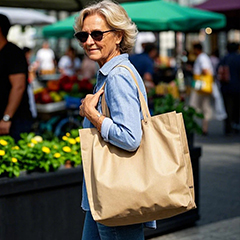
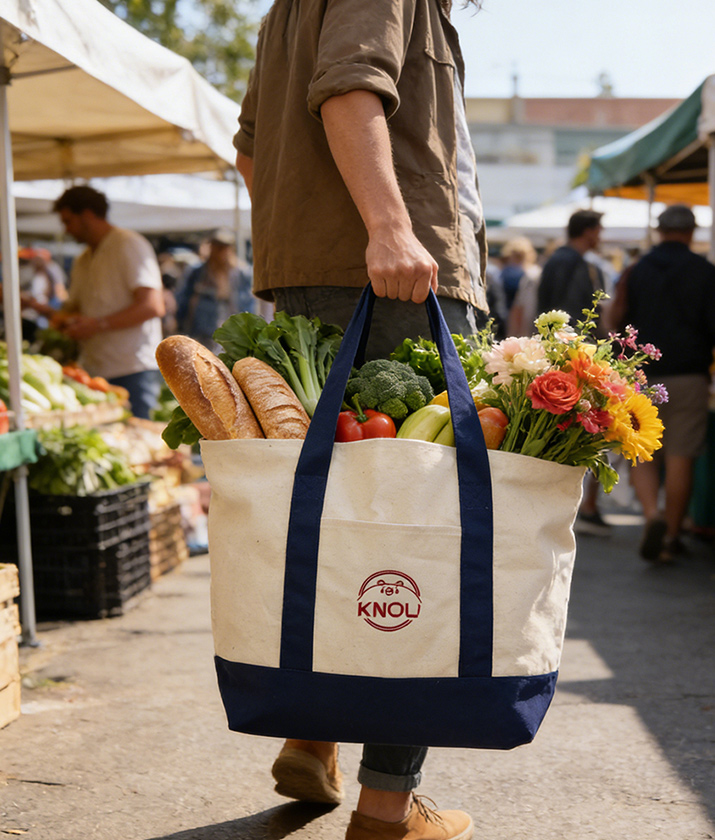
Grocery shopping represents the primary application for non-woven tote bags, with millions used weekly for transporting food and household items. The bags accommodate typical grocery loads comfortably, with reinforced handles and construction ensuring reliable performance. Many consumers prefer non-woven tote bags for their lightweight nature compared to canvas alternatives, making them easier to carry when fully loaded.
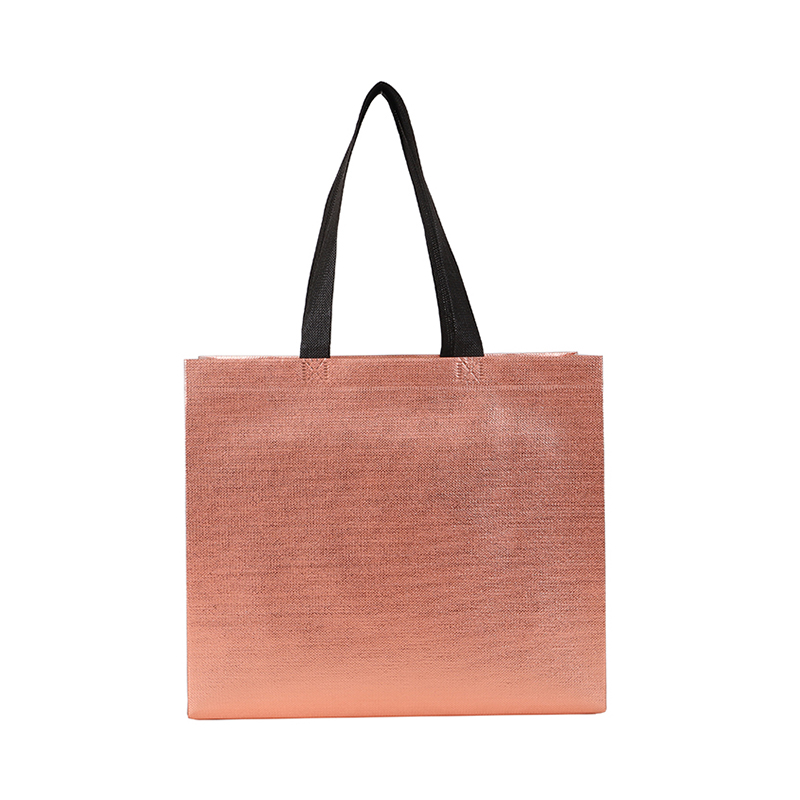
Fashion and retail shopping also generates substantial non-woven tote bag usage. Boutiques and specialty retailers increasingly provide these bags as standard purchase packaging, recognizing customer preference for reusable options over disposable bags. The clean appearance of quality non-woven tote bags complements retail presentation while extending brand exposure beyond the point of sale.
The global non-woven tote bag market serves consumers, businesses, and organizations across all regions. From basic utility bags for everyday shopping to customized promotional items for corporate programs, the recognition that reusable bags reduce environmental impact drives continued market growth. As sustainability concerns remain prominent and plastic reduction efforts continue, non-woven tote bags will maintain their position as practical, accessible tools for more responsible consumption patterns.
Recommended Products