English
 русский
 Español






Why Does An Eco Insulated Lunch Bag Stop Keeping Food Cool?
2026-06-12
Many people do not notice the change immediately.
A lunch bag that worked perfectly in spring may feel different by the end of summer. Ice packs seem to melt faster. Yogurt is no longer as cold at noon. The strange thing is that nothing appears damaged. The zipper still works. The lining looks clean. From the outside, the bag seems exactly the same.
One office worker described it this way: the bag looked almost new after six months, yet her lunch was noticeably warmer than before. She assumed the insulation material had somehow "expired."
That explanation sounds reasonable, but it is rarely the whole story.
Sometimes The Problem Starts In The Car
A surprising number of lunch bags spend hours sitting inside vehicles.
Imagine a typical weekday. Breakfast is rushed, the lunch is packed, and the bag is left on the passenger seat while running errands or commuting. During summer, the temperature inside a parked car can rise dramatically.
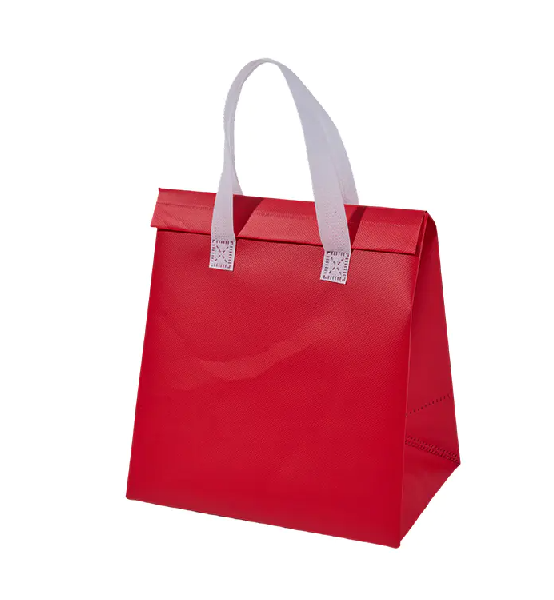
An eco insulated lunch bag is designed to slow temperature transfer, not stop it completely. Repeated exposure to high heat can gradually affect inner materials and adhesives. The change is usually slow enough that people do not connect it to a specific event.
Months later, they simply notice the bag performs differently.
The Empty Space Issue
Another detail often goes unnoticed.
Two people may own the same lunch bag and report completely different results.
One fills most of the compartment with food containers and an ice pack. The other carries a sandwich and a drink inside a large bag with plenty of unused space.
The second bag contains more air.
That extra air warms up quickly every time the zipper opens. Over several hours, the difference becomes more obvious than many expect.
It is not always an insulation problem. Sometimes it is simply a packing problem.
Small Damage Is Easy To Miss
Many users check the outside fabric but rarely inspect the inside carefully.
A tiny tear near a corner.
A worn section along the zipper.
A patch where the reflective lining has started separating.
None of these issues look dramatic. Yet they can change how the bag handles temperature.
One small opening may not seem important, but thermal performance often depends on many layers working together.
Cleaning Habits Matter More Than Expected
People usually clean lunch bags for hygiene reasons.
Few think about insulation while doing it.
Leaving the bag zipped closed after wiping it out can trap moisture inside. Over time, that moisture may affect the materials hidden between the outer fabric and inner lining.
The bag still looks clean.
The problem stays invisible.
That is partly why some users feel surprised when performance changes.
Not Every Lunch Bag Ages The Same Way
Two bags purchased at the same time may look similar after a year, yet behave very differently.
The difference often comes from hundreds of small moments rather than one major event.
Where the bag is stored.
How often it is folded.
Whether it sits in direct sunlight.
How much weight it carries every day.
An eco insulated lunch bag is exposed to these conditions repeatedly, and those details gradually shape how it performs.
By the time someone notices their lunch is no longer as cool as it used to be, the real cause is often a combination of daily habits rather than a single defect.
Recommended Products