English
 русский
 Español





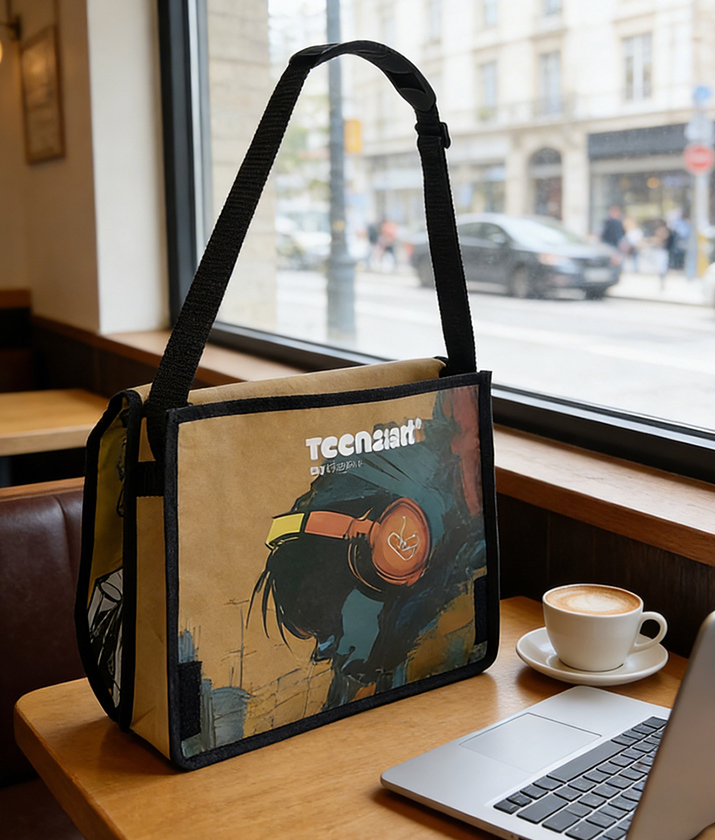

Why Retail Packaging Uses Non Woven Printed Carry Bags?
2026-11-13
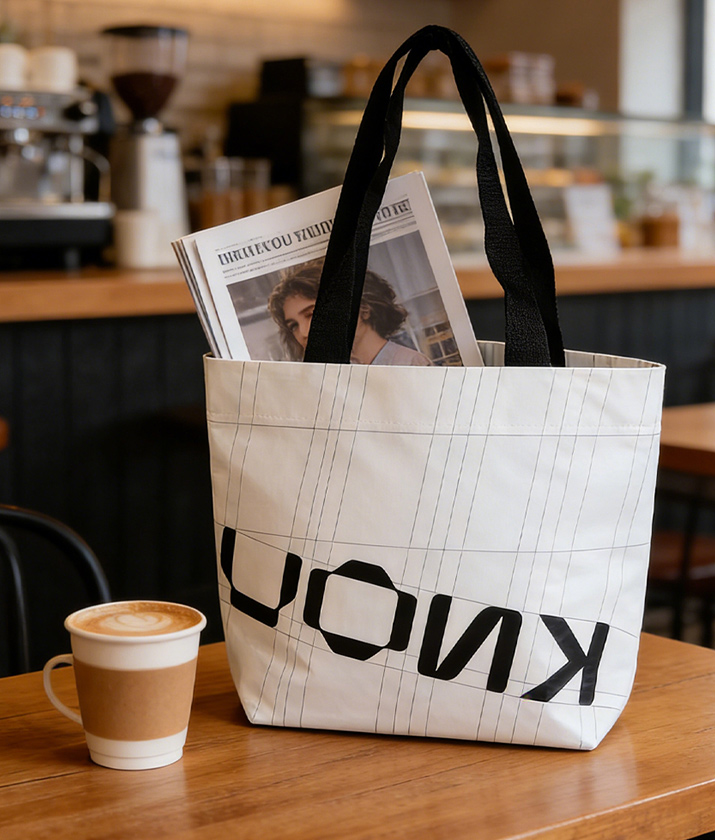
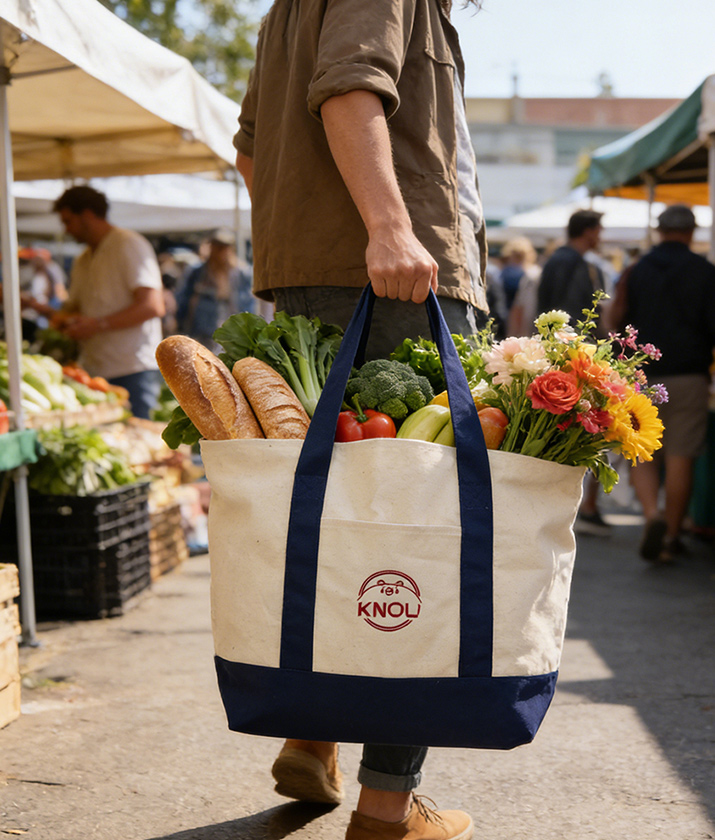
Retail packaging is becoming part of the visual experience customers encounter before they even reach a product display. In clothing stores, gift shops and promotional events, a carrying bag may remain visible long after the original purchase. Its printed graphics, color arrangement and overall appearance can influence how customers recognize a retailer when they see the same bag again.
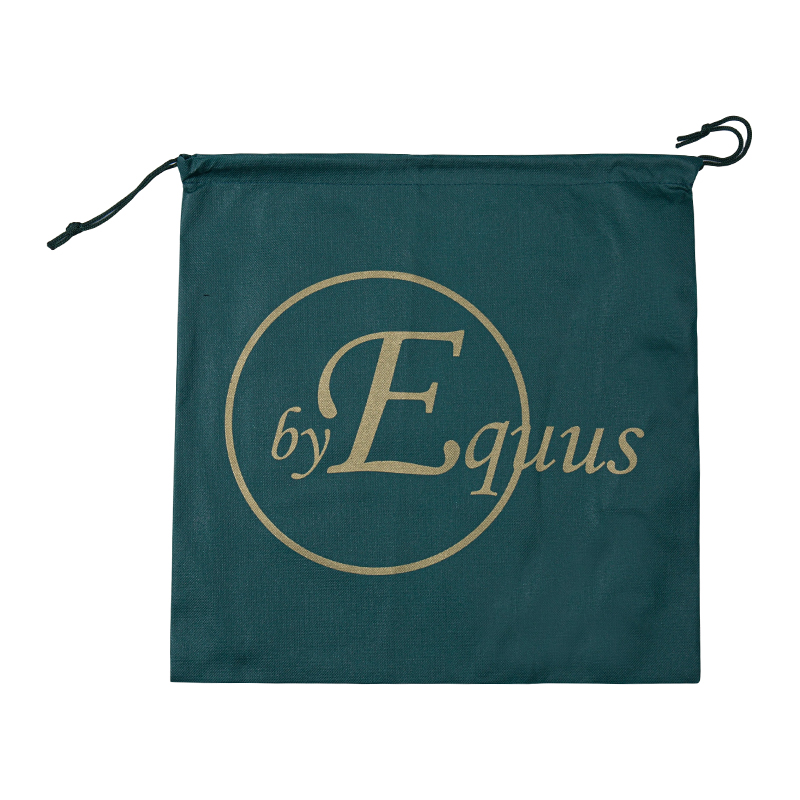
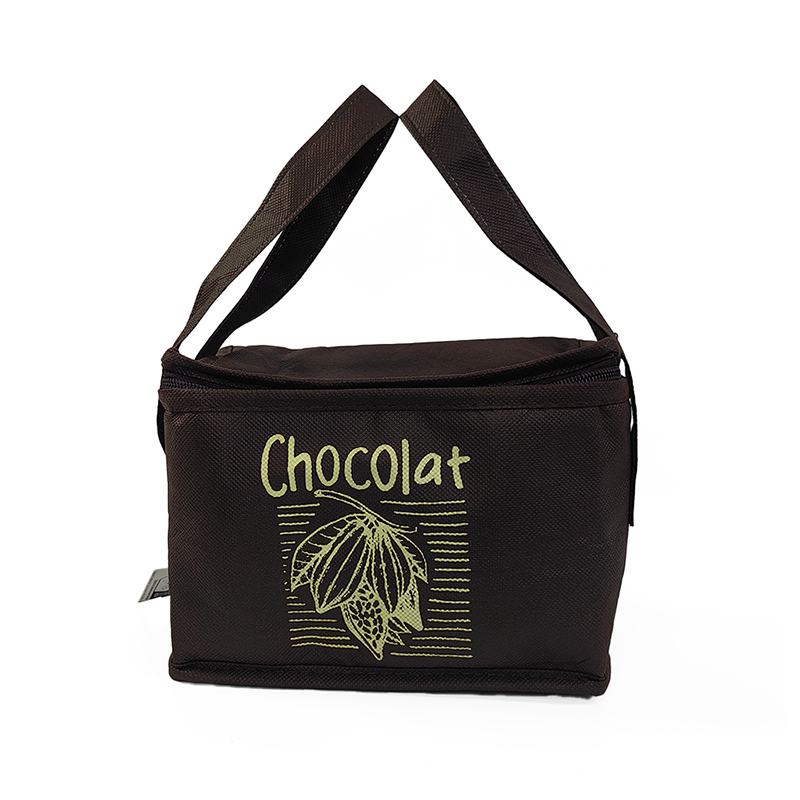
The growing use of customized packaging has brought greater attention to the relationship between printing processes and bag materials. Non Woven Printed Carry Bags are used in retail environments where businesses need practical packaging alongside recognizable visual elements. For packaging manufacturers, the challenge is not simply transferring artwork onto fabric, but maintaining a consistent appearance across different production batches.
Retail Graphics Are Becoming More Application-Specific
Retailers rarely use identical packaging for every business activity. A clothing store may prefer restrained graphics and a recognizable brand mark, while a promotional event may require larger printed areas, multiple colors and campaign information.
These differences influence how artwork is prepared before production. Small logos need sufficient contrast against the background, while larger graphic compositions require attention to image resolution, color transitions and the position of printed elements.
Non Woven Printed Carry Bags used for retail distribution often carry more than a company name. Seasonal messages, product categories, campaign graphics and store identification may all appear on the same surface.
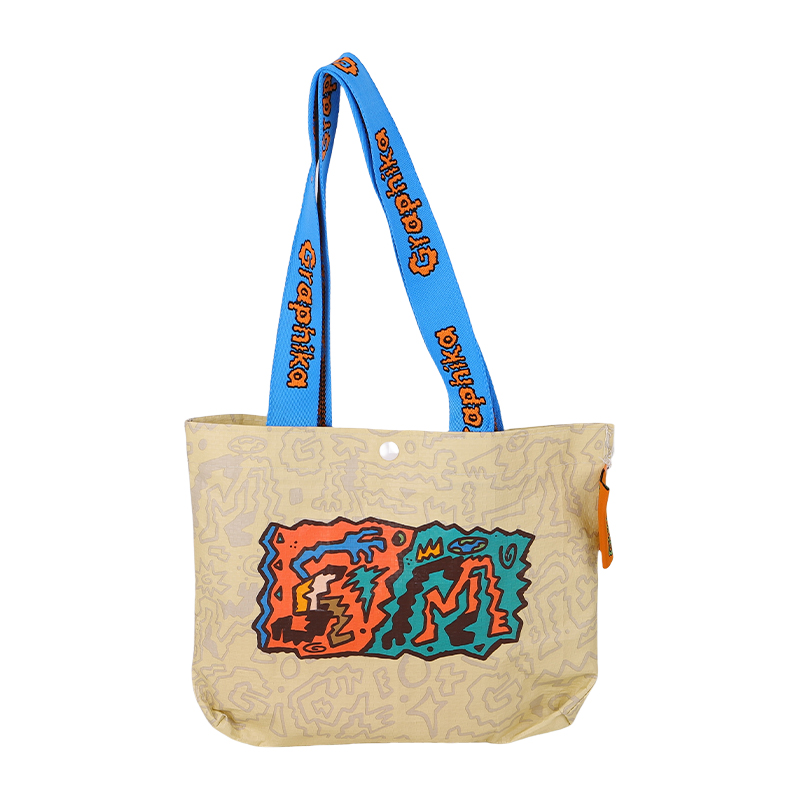
The available printing area also affects how these elements are arranged. Graphics placed too close to the edges can become visually crowded, particularly when the bag has side gussets or long shoulder handles. Artwork preparation therefore needs to consider the finished bag dimensions rather than relying entirely on a flat digital layout.
Laminated Surfaces Change The Printing Requirements
The surface treatment of a bag can influence its final visual appearance. Laminated non woven material combines a non woven fabric base with an additional film layer, creating a surface that differs from untreated fabric.
For Non Woven Printed Carry Bags, lamination is particularly relevant when the artwork includes detailed images, stronger color contrasts or larger printed areas. Glossy and matte finishes also create different visual effects under retail lighting.
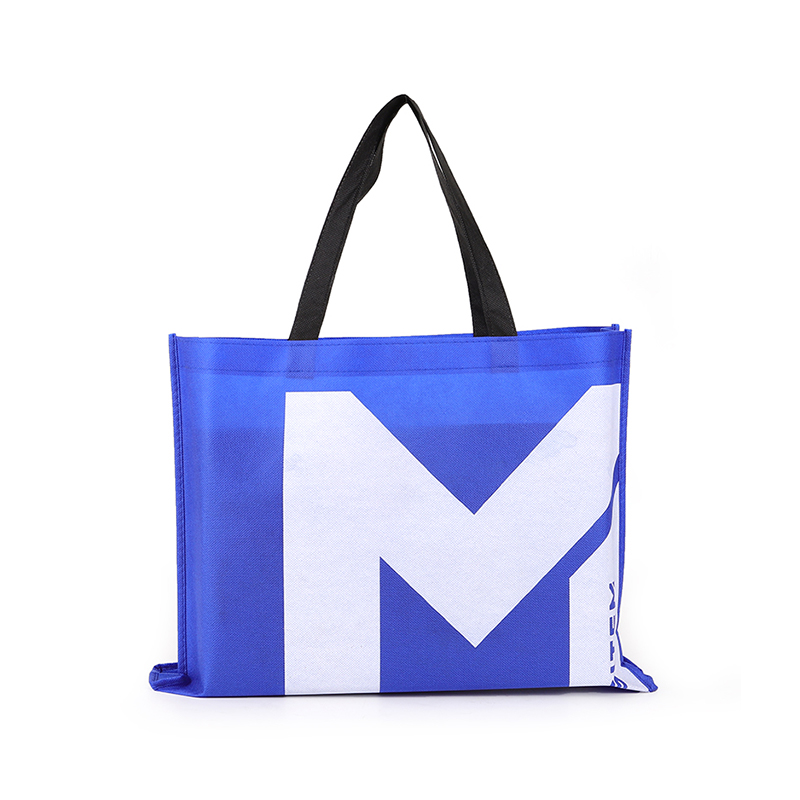
A glossy surface can make printed colors appear more prominent, while a matte finish produces a less reflective appearance. The choice often depends on the retailer's packaging style and the intended presentation environment.
Printing consistency also needs attention during production. Differences in color reproduction, film bonding or surface condition can become visible when hundreds or thousands of bags are displayed together. Manufacturers need to monitor these details throughout the production process rather than relying exclusively on the appearance of an initial sample.
Printed Packaging Requires Coordination Between Artwork And Bag Structure
The position of a printed graphic is affected by the physical construction of the finished bag. Front panels, side gussets, bottom sections and handle attachment areas each have different roles.
When preparing Non Woven Printed Carry Bags, artwork placement needs to account for areas that may fold, overlap or become less visible during normal carrying. A graphic positioned correctly on a flat fabric panel may look different after the bag is assembled and filled.
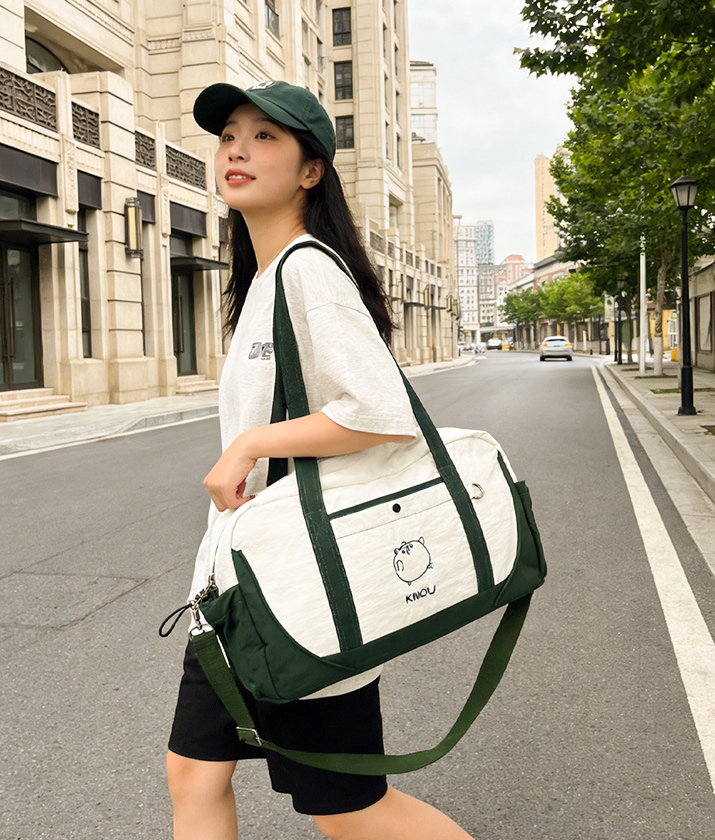
Long shoulder handles introduce another consideration. Their attachment points occupy part of the upper bag area, so printed elements need suitable spacing to avoid an overcrowded appearance.
For production teams, communication between artwork preparation, cutting and bag assembly is important. Confirming print dimensions before manufacturing reduces the likelihood of layout adjustments after materials have entered production.
Batch Consistency Matters For Multi-Location Retailers
Retail chains and promotional distributors may order packaging for several stores or events at different times. Their requirements often extend beyond producing one attractive sample.
A difference in background color or logo positioning can become noticeable when bags from separate batches are used together. This is particularly relevant when the packaging represents a consistent retail identity across multiple locations.
Production checks for Non Woven Printed Carry Bags can cover print color, graphic alignment, lamination appearance, stitching and handle attachment. Keeping approved artwork and sample specifications available also provides a reference when repeat orders are arranged.
For manufacturers, maintaining these records becomes part of managing customized packaging rather than treating each order as an isolated production task.
As retail packaging continues to combine practical carrying functions with visual communication, printed non woven bags remain relevant to clothing retailers, gift businesses, promotional distributors and exhibition organizers. The relationship between artwork preparation, surface finishing and finished bag construction is increasingly important when packaging needs to look consistent beyond a single production run.
Recommended Products