English
 русский
 Español






How Are Hanging Clothes Protector Bags Used in Garment Workflows?
2026-11-23
In the garment industry, clothing often passes through several stages before reaching its final destination. After production, finished garments may need inspection, sorting, temporary storage, transportation, and retail display. During these processes, keeping clothes on hangers can reduce unnecessary folding and make handling more convenient. This is why Hanging Clothes Protector Bags are used by garment factories, clothing retailers, dry-cleaning businesses, and apparel distributors.
Unlike ordinary storage bags, these covers allow clothing to remain on hangers while providing a covering layer. Their structure makes them suitable for different stages of garment handling.
Why Hanging Storage Matters in Garment Handling
Folding is a common packaging method for shirts, trousers, and everyday clothing. However, suits, dresses, coats, and formal garments often require a different approach. Repeated folding can create creases, while placing multiple garments together may cause friction during handling.
Hanging storage offers an alternative. Clothing remains on its hanger while a protective cover helps reduce direct exposure to dust. Individual garments can also be identified and removed without unpacking an entire group.
For clothing manufacturers, this arrangement is useful when moving finished products between inspection areas, packaging stations, and warehouse sections. Retailers and dry cleaners also use garment covers when preparing clothing for display or customer collection.
Bag Dimensions and Opening Structures
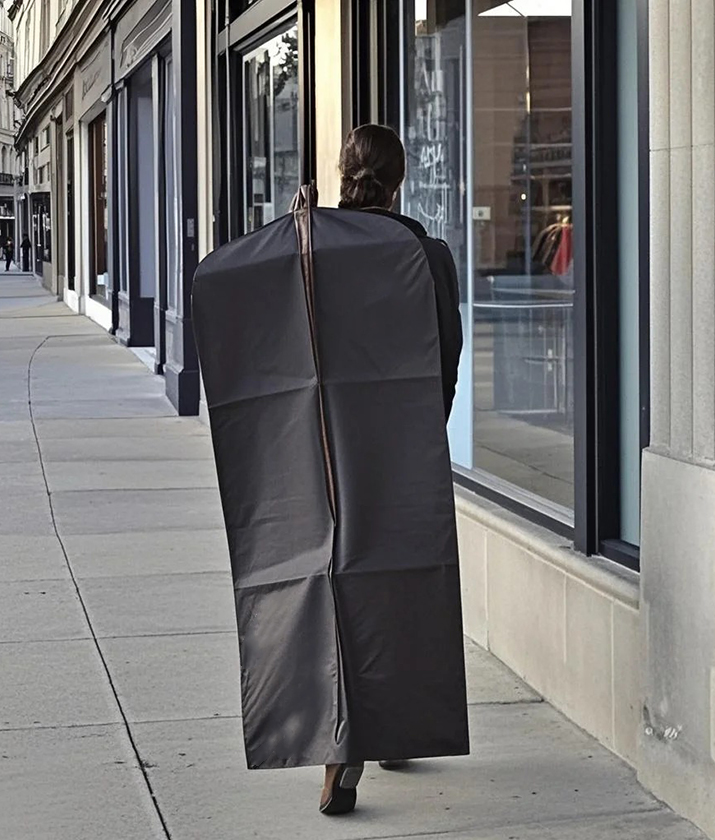
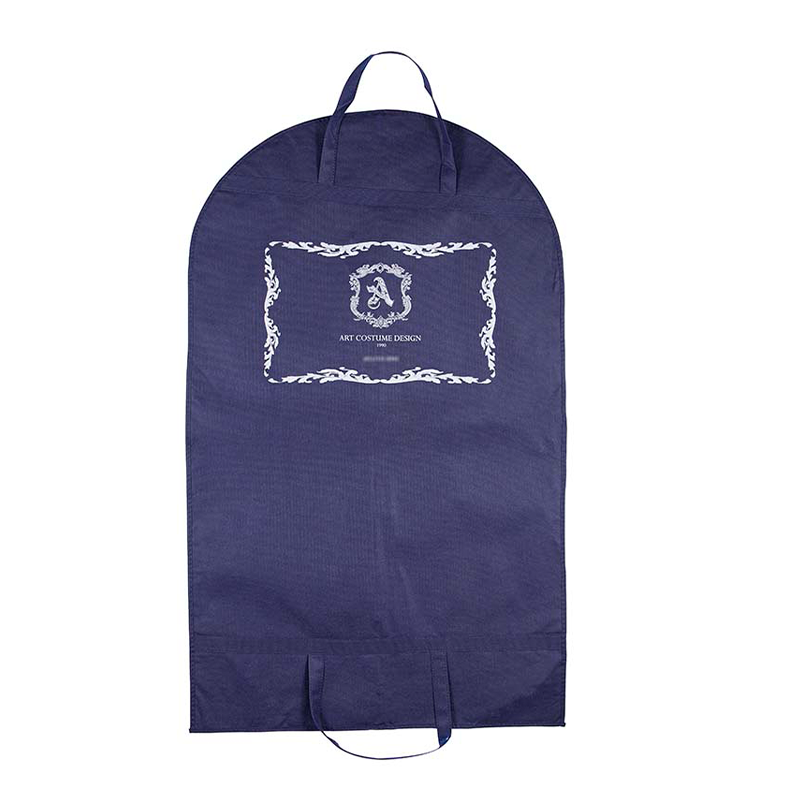
The dimensions of a garment cover should correspond with the clothing it is intended to hold. Short covers may suit shirts and jackets, while longer versions are needed for coats, dresses, and formalwear.
Common garment bag dimensions include 60 × 110 cm, 60 × 120 cm, 60 × 130 cm, 60 × 150 cm, 60 × 170 cm, and 60 × 180 cm. These options accommodate different garment lengths and storage requirements.
Opening structure is another consideration. Top openings allow hangers to pass through, while zipper or side-opening designs make inserting and removing garments more convenient. When sourcing Hanging Clothes Protector Bags, wholesalers and clothing businesses should consider garment dimensions and daily handling requirements before confirming specifications.
Material Selection for Different Applications
Material choice influences the appearance, handling characteristics, and intended use of garment covers. Common options in the garment packaging industry include non-woven fabric, polyester, Oxford cloth, cotton, PEVA, and other plastic-based materials.
Non-woven fabric is frequently used for storage and retail packaging because of its fabric-like appearance and suitability for printing. Polyester and Oxford cloth provide alternative textile constructions, while cotton is an option for businesses that prefer a natural fabric appearance.
PEVA and other plastic materials are also used in garment packaging. The appropriate choice depends on the type of clothing, expected usage frequency, visibility requirements, and packaging method.
For wholesale orders, material selection should be considered alongside bag dimensions and construction. These details help manufacturers produce Hanging Clothes Protector Bags that correspond with different customer applications.
Customization Requirements for Bulk Orders
Garment packaging orders often involve several clothing categories rather than one standard size. A clothing manufacturer may require short covers for jackets, medium-length versions for suits, and longer covers for dresses.
Manufacturers can adjust dimensions, materials, colors, opening styles, and printed elements according to confirmed order specifications. Brand names and logos can also be incorporated into garment covers for consistent retail or wholesale packaging.
Printing methods may include screen printing, digital printing, and heat transfer, depending on the selected material and artwork. Before bulk production, buyers should confirm the required dimensions, material specifications, printing details, and order quantities.
Where Hanging Garment Covers Are Used
The applications of Hanging Clothes Protector Bags extend beyond household wardrobes. Garment factories use them to cover finished clothing after inspection and before shipment. Warehouses can organize covered garments by style, size, or order category.
Clothing retailers use these covers for suits, coats, dresses, and other apparel displayed or stored on hangers. Dry-cleaning businesses use them when returning cleaned garments to customers. Wedding shops and formalwear retailers also require longer covers for dresses and structured clothing.
These applications explain why garment covers are available in different lengths, materials, and opening styles rather than following one uniform specification.
Production Considerations for Garment Bag Manufacturers
Producing covers for different clothing categories involves several manufacturing stages, including material selection, fabric cutting, opening construction, stitching, and printing. Each stage needs to correspond with the confirmed product specifications.
A short jacket cover and a full-length dress cover require different cutting dimensions. Similarly, material selected for retail presentation may differ from that used for temporary garment packaging.
Wenzhou Xiangqun Bags Co., Ltd. offers garment bag production with material options including non-woven fabric, cotton, polyester, and Oxford cloth. Its product range supports different garment lengths and customization requirements for clothing manufacturers, wholesalers, retailers, and dry-cleaning businesses.
For B2B purchasers, understanding these production details makes it easier to communicate packaging requirements. Hanging Clothes Protector Bags provide a practical format for businesses that need to keep garments on hangers while covering them during storage, handling, and display.
Recommended Products