English
 русский
 Español



Eco Friendly Laundry Bags: What Hotel Buyers Check
2026-11-18
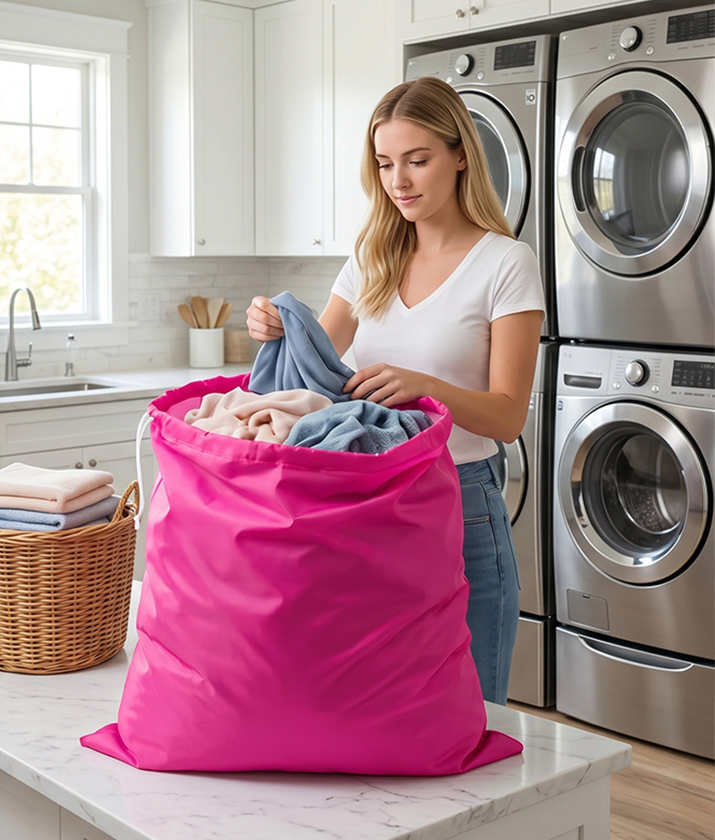
Eco Friendly Laundry Bags need to be specified around the amount of laundry a hotel handles, the way staff collect it and how often the bags return to the wash. For planning purposes, a hotel may estimate around 3 to 5 kg of linen per occupied room, although the actual figure changes with occupancy, towel replacement and housekeeping routines. If a 20-room floor generates about 80 kg of laundry during a busy shift, that load could be divided among eight 10 kg bags or four 20 kg bags. The larger option reduces the number of bags in circulation, but only makes sense when staff can lift and move a full bag comfortably.
Towel Bags and Garment Bags Need Different Specifications
A hotel usually handles two different laundry flows, and one bag construction does not necessarily suit both. Towels and bedsheets create heavier loads. Pool towels may also be damp when collected, adding weight before they reach the laundry room. In this situation, fabric strength, a reinforced drawstring channel and secure stitching at the bottom corners matter more than decorative details. For towel collection, Eco Friendly Laundry Bags around 70 x 90 cm can suit floor-level pickup, while 50 x 70 cm bags are easier to place on smaller room-service trolleys. Cord length should be checked against the actual trolley frame, since a short cord can make the bag difficult to secure.
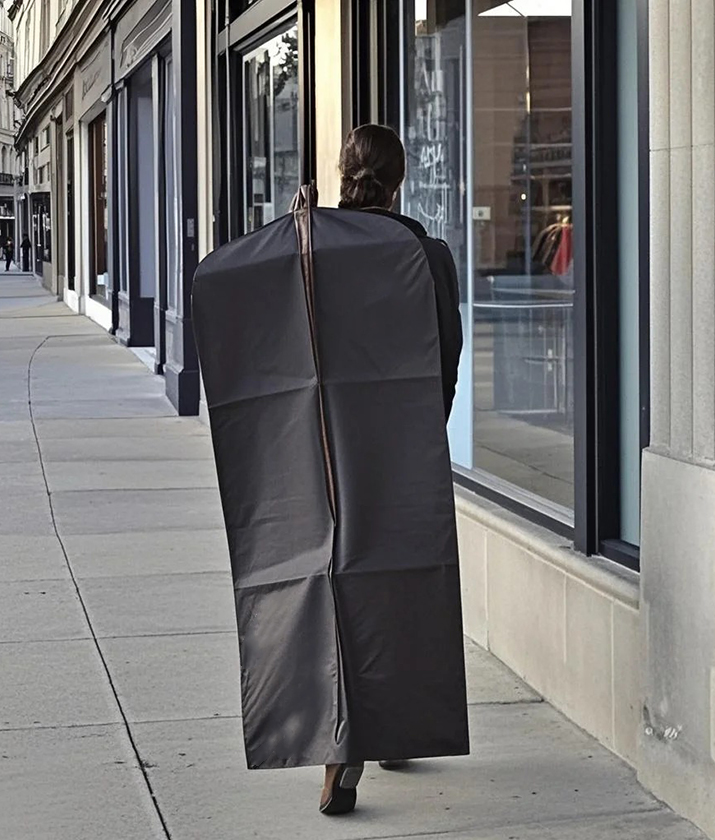
Guest garments require a different construction. Loads are generally lighter, often around 2 to 4 kg, and some bags go directly into the washing machine with the clothes inside. Mesh panels allow water and detergent to pass through, while a suitable zipper keeps garments contained during the wash. Recycled polyester made from reclaimed bottle material can be considered for this application because its mesh construction allows water to drain and the material dries relatively quickly. Cotton remains a familiar option for heavier towel and linen collection, where a solid fabric body is more practical.
The material choice should also be considered in relation to service life. Recycled content alone does not establish how environmentally effective a bag will be. Fabric durability, seam strength, washing frequency and the number of times a bag can be reused all affect its practical value. Hotels comparing Eco Friendly Laundry Bags should therefore look at both material information and performance under their normal laundry conditions.
What a Ten-Wash Sample Test Can Reveal
A fabric swatch gives little indication of how a finished bag will perform after repeated washing. One practical way to screen samples is to wash a finished bag ten times using the temperature and detergent conditions normally found in the buyer's laundry operation. An unwashed sample should be kept for comparison.
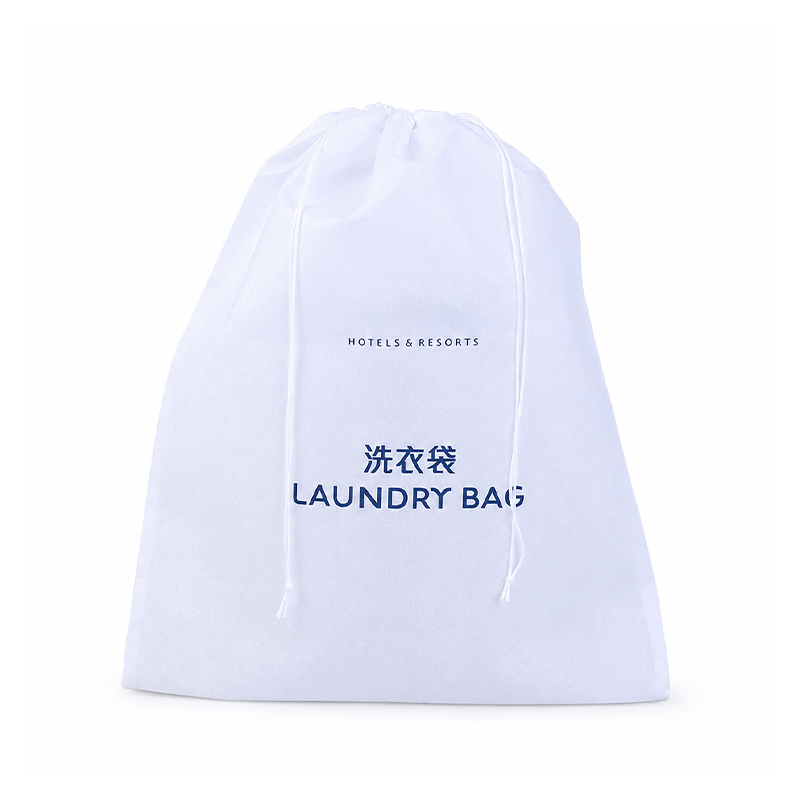
After washing, buyers can check dimensional changes, fabric appearance, colour retention and the condition of the seams. Fabric weight in gsm provides a useful specification for comparing samples, but it does not tell the whole story. A heavier fabric may still perform poorly if the stitching loosens or the drawstring channel begins to tear.
The cord channel deserves particular attention because it carries repeated pulling force during collection and handling. Bottom corners should also be checked for loose threads or opening seams. If the bags are expected to go through tumble drying, that stage should be included in the sample test rather than evaluated separately from the washing process.
Ten washes provide an initial comparison, not proof of long-term durability. Buyers can use the results to identify obvious weaknesses before approving a larger order. The environmental value of reusable Eco Friendly Laundry Bags also depends on how long they remain in service and how many disposable alternatives they actually replace. A bag that needs frequent replacement may offer less practical benefit than its material description initially suggests.
Colour Helps Keep Laundry Sorting Consistent
Blue for towels, grey for bedsheets and green for uniforms are examples of colour-coding systems used to separate laundry flows. With Eco Friendly Laundry Bags assigned to different categories, housekeeping staff can identify the intended collection group before the bags reach the laundry room.
Consistency matters when bags are reordered. If a replacement batch arrives in a noticeably different shade, staff may have difficulty distinguishing two laundry categories, particularly when the colours are similar. Buyers should keep an approved colour sample and record the corresponding colour reference for repeat production. This makes it easier to maintain a consistent sorting system across different floors or hotel locations.
Range Planning for Hotel Suppliers and Distributors
Distributors often manage laundry bags as a combination of sizes, colours and fabric constructions. Three sizes in four colours already create twelve product variations, each potentially carrying a different minimum order quantity. Logo printing adds another consideration because customized bags are usually tied to a specific hotel or customer.
Water-based screen printing can be considered for suitable fabric surfaces, with the logo size, position and print durability checked before production. Some distributors prefer to stock plain Eco Friendly Laundry Bags in commonly used sorting colours and arrange printing only after receiving confirmed orders. This approach reduces the need to hold large quantities of customized stock.
Packing also affects distribution costs. Flat-folded bags packed in cartons of 100 can make shipment quantities easier to plan, while mixed-size cartons allow distributors to supply several hotel accounts from one shipment. For buyers managing multiple properties, the important details are not simply the number of available sizes, but whether colour, construction and replacement specifications remain consistent across repeat orders.
Recommended Products