English
 русский
 Español




How Does Supermarket Shopping Bag Balance Heavy Loads?
2026-07-03
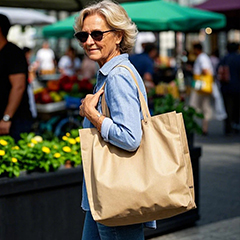
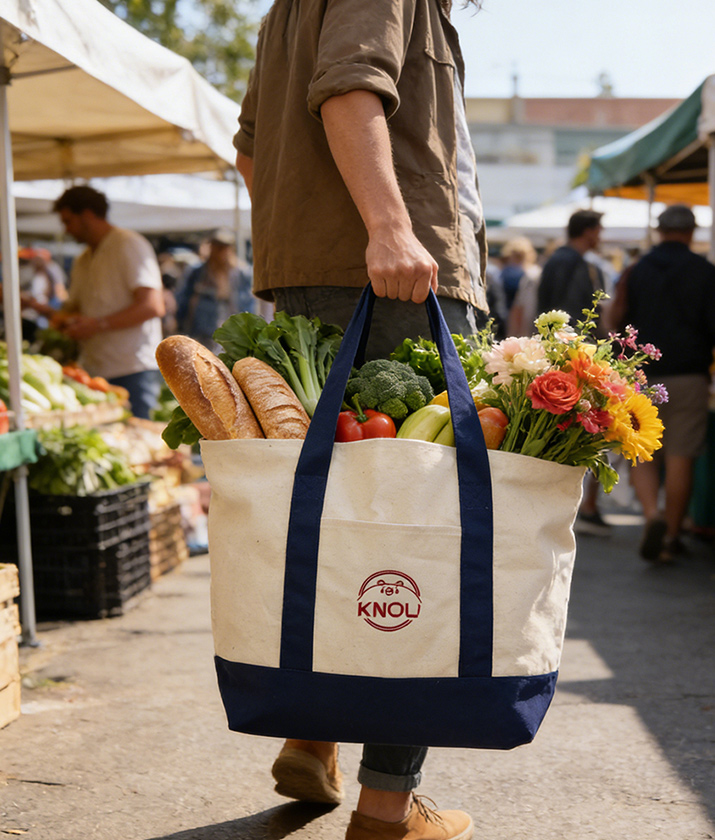
Supermarket shopping bag performance is often judged by one simple question: how much weight can it carry? In everyday shopping, however, weight is only part of the story. Many bags do not fail because groceries are too heavy. They become uncomfortable because the weight is unevenly distributed, causing the handles to twist, the bag to lean to one side, or the contents to shift while people are walking.
As shopping habits continue to change, discussions about reusable grocery bag design increasingly focus on carrying comfort as well as durability. Buyers are paying closer attention to balance, handle structure, and everyday usability rather than comparing load capacity alone.
Heavy Items Rarely Sit In One Place
A typical supermarket purchase contains products of different sizes.
A bottle may stand beside a carton.
Fruit may be placed above packaged food.
Frozen products are often added last.
As a result, the centre of gravity changes every time another item enters the bag.
This explains why a supermarket shopping bag that performs well during testing may feel completely different during an actual shopping trip.
Handle Design Influences Carrying Comfort
Many shoppers notice the handles before they notice the fabric.
Long handles suit shoulder carrying.
Short handles are often preferred for quick trips.
The distance between the handles also changes how the bag opens while groceries are being packed.
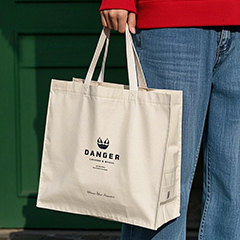
Instead of looking only at handle strength, manufacturers increasingly study how the handles distribute weight across the user's hand during everyday use.
That has become an important consideration when developing a reusable grocery bag for supermarkets.
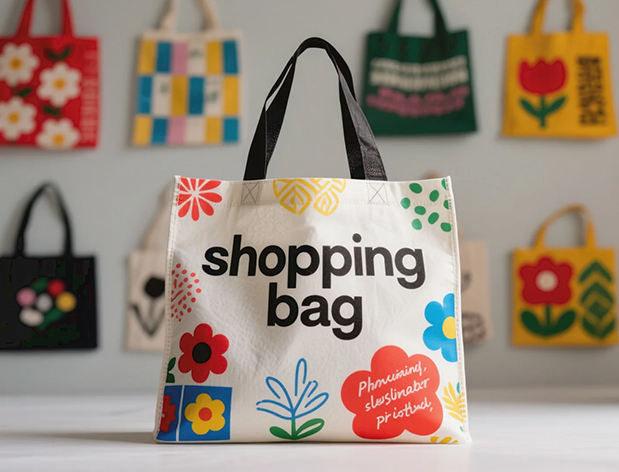
Shape Helps Keep Groceries Stable
A shopping bag is constantly moving.
It swings while walking.
It tilts when placed inside a vehicle.
It folds when stored.
If the bag loses its shape too easily, groceries may press against one side instead of remaining evenly supported.
For this reason, many suppliers evaluate the overall structure of a supermarket shopping bag instead of concentrating only on fabric thickness.
Typical Design Priorities
Different retail situations usually place emphasis on different features.
|
Shopping Situation |
Main Concern |
Design Focus |
|
Weekly groceries |
Mixed product sizes |
Weight distribution |
|
Fresh food shopping |
Product stability |
Wide opening |
|
Quick convenience shopping |
Easy carrying |
Comfortable handles |
|
Repeated daily use |
Long-term durability |
Reinforced stitching |
Although each application differs, the goal remains the same: allowing a supermarket shopping bag to remain comfortable throughout repeated use.
Reuse Depends On Everyday Experience
Durability alone does not determine whether people continue using the same bag.
A bag that feels awkward to carry is often replaced even if it remains undamaged.
By comparison, a comfortable bag is more likely to be used repeatedly for shopping, travel, or everyday storage.
This practical experience has gradually become part of how manufacturers evaluate reusable grocery bag designs instead of measuring strength alone. Consumer buying trends likewise show growing interest in portability, washability, and long-term usability rather than simply reusable claims.
Small Details Often Receive More Attention
Many improvements are not immediately visible.
The angle of the stitching.
The width of the handles.
The way the side panels expand.
Each adjustment may appear minor by itself, yet together they influence how naturally the bag carries a full load.
Because of this, product development for supermarket shopping bag designs often includes repeated carrying trials rather than relying only on laboratory load testing.
Everyday Use Reveals Real Performance
A shopping bag spends very little time sitting on a shelf.
Many of its working life is spent being lifted, folded, carried, emptied, and used again.
Those everyday movements reveal whether the design remains practical after repeated trips rather than whether it simply survives one weight test.
For many retailers and distributors, selecting a supermarket shopping bag now involves looking beyond maximum load figures. A well-balanced reusable grocery bag often provides a more comfortable shopping experience because it keeps groceries stable while reducing strain during ordinary daily use.
Recommended Products