English
 русский
 Español








Jacket Protector Bags Keep Garments Organized During Storage
2026-10-27
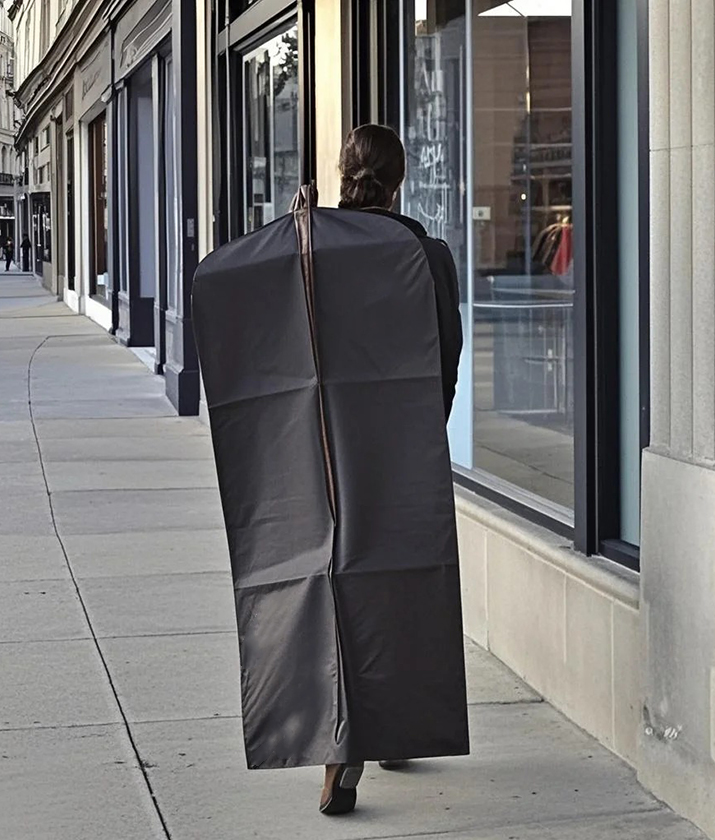
Garment protection becomes an important packaging consideration when jackets need to be stored, transported, displayed, or distributed without unnecessary exposure to dust and handling. Jacket Protector Bags provide an outer layer around individual garments while giving clothing brands, retailers, wholesalers, and garment manufacturers options for dimensions, materials, closures, printing, and packaging. For B2B buyers, the product specification needs to correspond with the jacket size and intended handling conditions rather than treating the garment bag as a generic packaging item.
Bag Dimensions Should Follow The Garment
The starting point for Jacket Protector Bags is the size and shape of the garment being covered. A jacket with a longer body, wider shoulders, or a heavier construction requires a different bag configuration from a lightweight short jacket.
The bag needs sufficient width and length for the garment to fit without excessive compression. At the same time, oversized dimensions can increase material consumption and storage volume. Buyers can provide jacket measurements or an existing bag sample so the manufacturer can establish the appropriate finished dimensions.
For bulk orders, dimensions should be recorded in the production specification together with acceptable tolerances. This gives the cutting and inspection teams a measurable reference.
Material Selection Depends On Packaging Requirements
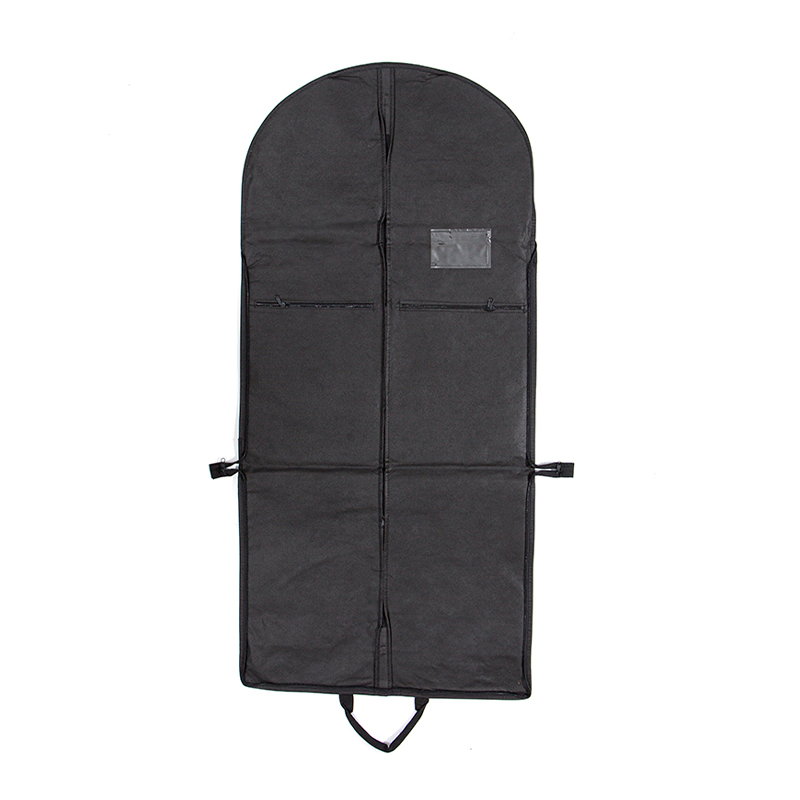
Different garment packaging projects can use different film, non-woven, or textile-based materials according to the required appearance, transparency, flexibility, and protection characteristics.
For Jacket Protector Bags, the material needs to correspond with the way the bags will be handled. Retail packaging may prioritize product visibility and presentation, while warehouse or transportation packaging may focus more on practical protection and durability.
Material thickness or weight can be specified before production. Incoming materials can then be checked against the approved specification before cutting or bag assembly begins.
Openings And Closures Affect Daily Handling
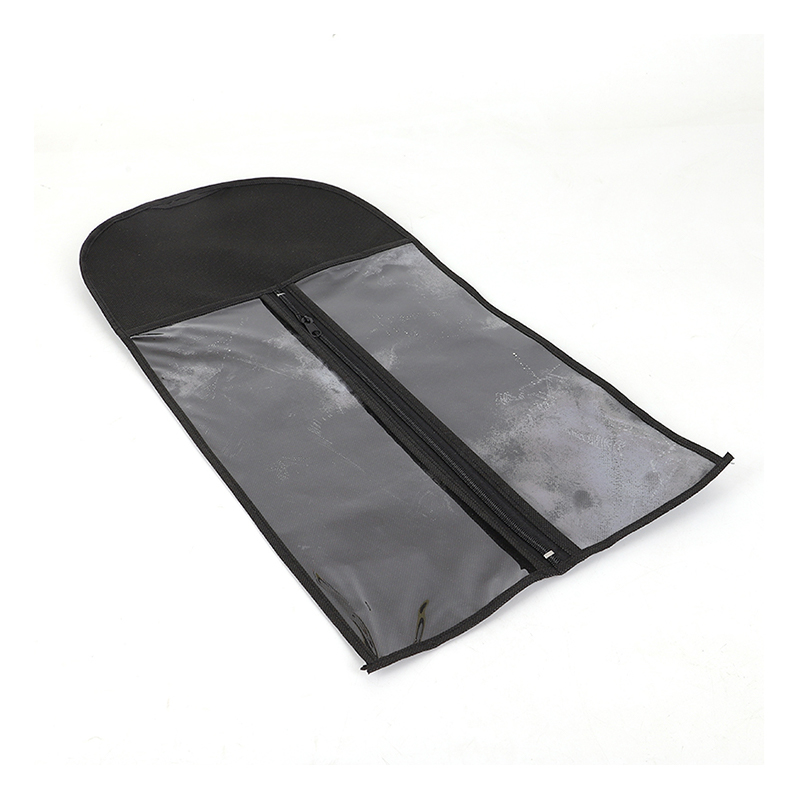
The opening design is another practical consideration for Jacket Protector Bags. Depending on the application, the bag can be designed for hanger use or other garment-storage arrangements.
A hanger opening can be positioned to allow the garment and hanger to pass through while keeping the main body covered. Zippers, adhesive closures, drawstrings, or other closure methods can be considered according to the product design.
The selected closure should be confirmed before production because it affects cutting, assembly, and final dimensions. Buyers should also indicate whether the bag needs to accommodate a hanger, folded jacket, or another specific packaging format.
Specifications For B2B Garment Packaging
|
Product Detail |
Buyer Requirement |
Factory Check |
|
Material |
Film, non-woven, or specified fabric |
Incoming material inspection |
|
Size |
Width and finished length |
Cutting and dimensional inspection |
|
Opening |
Hanger or other access design |
Position and size check |
|
Closure |
Zipper, adhesive, drawstring, etc. |
Assembly inspection |
|
Printing |
Logo, text, or artwork |
Print position and appearance |
|
Color |
Transparent, solid, or specified shade |
Material color check |
|
Packaging |
Quantity per pack/carton |
Final counting |
For Jacket Protector Bags, confirming these details before production is particularly useful when one order contains several jacket sizes or packaging versions.
Printing And Private Label Options
Garment manufacturers and clothing brands may require customized Jacket Protector Bags carrying a logo, product information, website, care message, or other printed content. Printing can be arranged according to the bag material and production method.
Artwork should be approved before bulk production. The buyer can provide the required logo file, print dimensions, position, and color references. For multiple garment styles, each packaging version can be assigned a product code to reduce confusion during production.
Customized packaging also provides a practical way to separate different product lines within a wholesale order. The factory can maintain individual specifications for each size, color, print design, and packaging quantity.
Factory Production And Quality Control
Production of Jacket Protector Bags can include material inspection, cutting, printing, assembly, closure installation, finishing, and packing. Depending on the construction, seams or bonded areas can be checked during production to identify defects before finished bags are packed.
Final inspection can cover dimensions, opening position, closure operation, print alignment, material appearance, and visible defects. For orders with several specifications, samples from each configuration can be checked against the corresponding approved reference.
Packaging inspection is also relevant for overseas shipments. Individual bags can be sorted by size, design, or garment type, while cartons can be marked according to the buyer's packing instructions.
For distributors and garment manufacturers, consistent identification can simplify warehouse receiving and later distribution. Product codes, quantities, and carton information can be matched against the packing list before shipment.
When purchasing Jacket Protector Bags in bulk, a clear specification connects the garment's dimensions with the packaging structure. Defining material, size, opening, closure, printing, and packing requirements before production gives the manufacturer a practical basis for repeatable batch manufacturing.
Recommended Products