English
 русский
 Español










Large Duvet Storage Bags Put Real Load On The Handles
2026-09-18
A duvet takes up far more volume than a folded sheet or pillowcase, and the moment a storage bag is sized to hold one comfortably, every other component of that bag has to scale up to match. Large Duvet Storage Bags carry more weight per unit than a standard laundry or garment bag ever does, and that weight travels directly through the handles the moment someone lifts a fully packed bag off a shelf or out of a closet. Sizing every component around that real, loaded weight, rather than around the bag's empty dimensions, is what separates a bag rated for a full-size comforter from one that simply looks large enough on a spec sheet.
Handle Attachment Method Decides Whether The Bag Holds Together
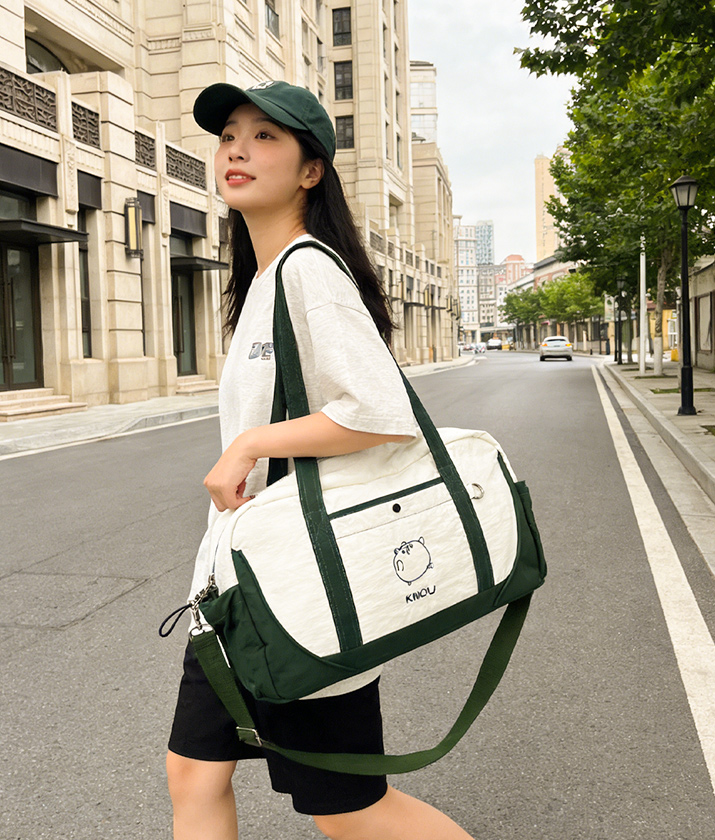
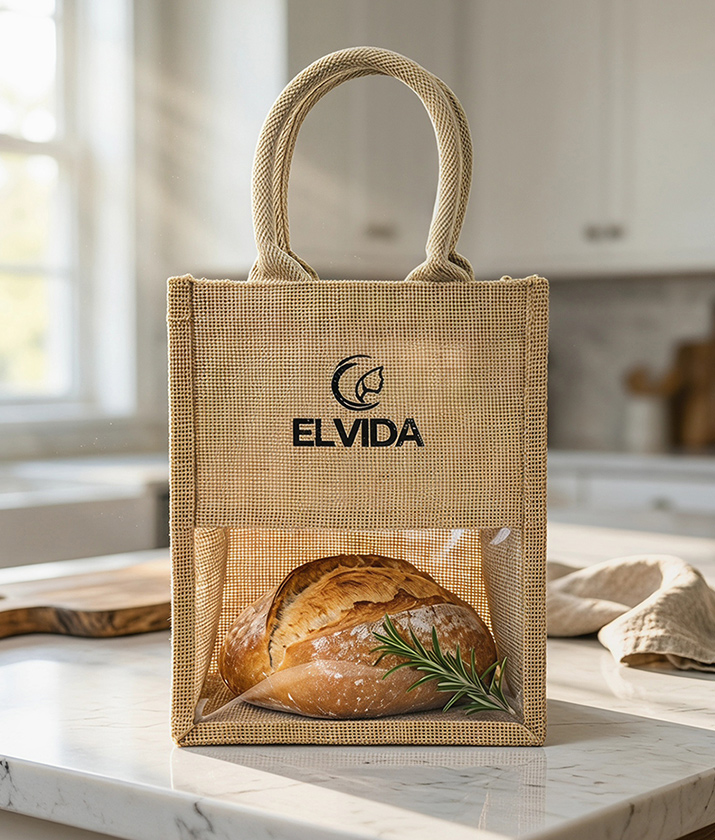
A sewn handle strap works fine on a lightweight bag, but Large Duvet Storage Bags loaded with a full comforter and a set of pillows put enough sustained pull on the handle seam to expose any weakness in how that handle actually attaches to the body. A riveted rope handle spreads the load across a reinforced base point rather than relying on stitching alone, while a molded grip handle bolted through the fabric distributes pull force across a wider contact area than a narrow strap ever could. Testing handle strength against the bag's actual maximum rated load, rather than an empty-bag pull test, is what surfaces a weak attachment point before it reaches a customer rather than after a warranty claim comes in. Choosing handle construction based on the bag's rated capacity, rather than defaulting to whatever handle style looks cleanest, is what keeps Large Duvet Storage Bags from tearing free at the exact point someone needs to carry them.

Structured Shape Holds Its Form Better Than A Loose Fold
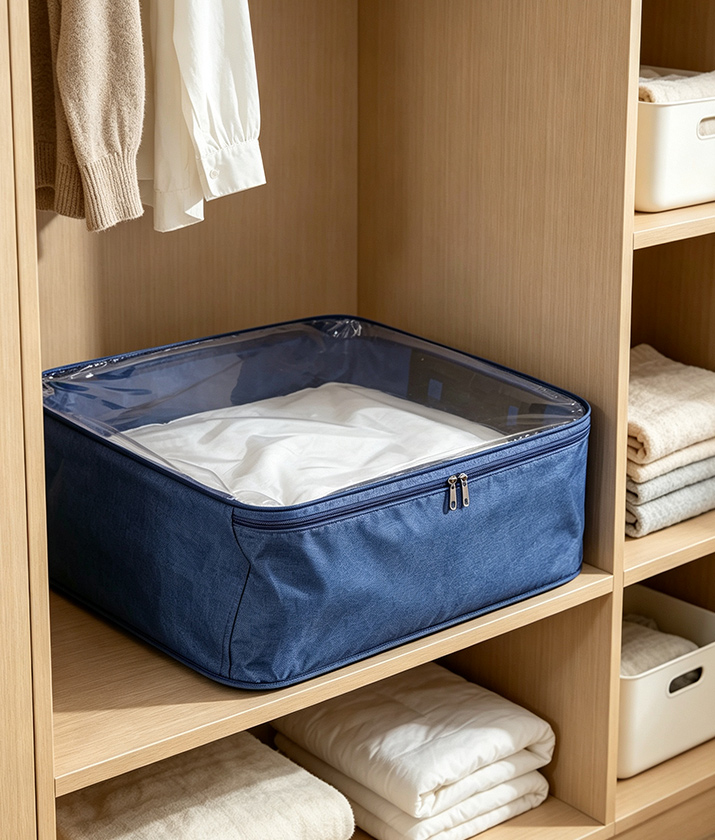
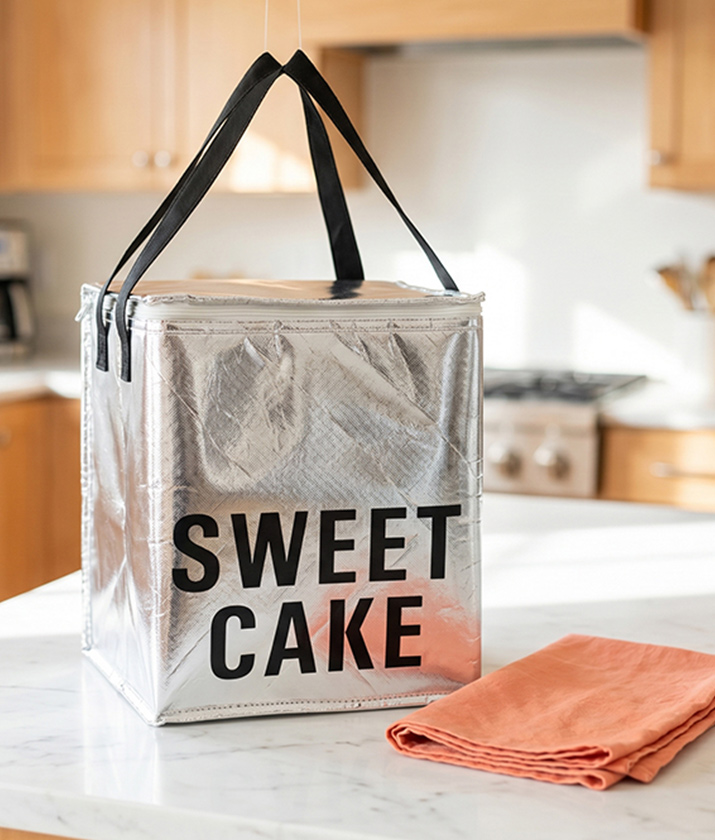
A foldable bag collapses flat when empty and expands as it fills, which works well for lighter or irregularly shaped items but can leave Large Duvet Storage Bags sagging or bulging unevenly once a full-size comforter is packed inside. A structured box-shape design holds its form whether the bag is half full or packed to capacity, keeping the load distributed evenly across the base rather than concentrated wherever gravity happens to pull it. Internal panel stiffness and base board inserts both contribute to that structure, giving a bag enough rigidity to stand upright on a shelf without leaning or collapsing under its own contents. That structural difference matters more as bag size increases, since a larger bag has more interior volume where an unstructured shape can shift and settle unevenly during storage or transport, leaving Large Duvet Storage Bags with an uneven, sagging profile even when the contents inside haven't actually moved.
Zipper Length And Base Stitching Carry The Weight Nobody Sees
A three-sided zipper on a smaller bag rarely faces much stress, but the same zipper run across Large Duvet Storage Bags has to hold a heavier load pressing outward against the closure every time the bag gets moved or set down. Reinforced stitching along the base seam, where the bag's full weight rests when it sits upright, prevents the kind of slow seam separation that only becomes obvious after months of storage rather than during initial handling. Base reinforcement gets more development attention as bag capacity increases, since a seam built for a lightweight product does not automatically hold up once the rated capacity moves toward a full-size duvet and a matching set of pillows. Double-stitched or bar-tacked corners at the base of the bag address the specific point where downward weight and outward pressure from the zipper meet, which is a small detail on a small bag but a meaningful one once the bag is sized to carry considerably more.
Handle attachment, structural shape, and base stitching all scale together as capacity increases, and Large Duvet Storage Bags built without accounting for that combined load tend to show their weak point exactly where a customer expects the bag to perform well: fully packed and being carried or stored for months at a time. Getting handle, shape, and seam construction developed together around the bag's actual rated capacity, rather than treating size as a simple fabric-yardage calculation, is what keeps Large Duvet Storage Bags functioning the way their capacity claim promises.
Recommended Products