English
 русский
 Español




Non Woven Reusable Grocery Bags Fit Diverse Retail Programs
2026-10-02
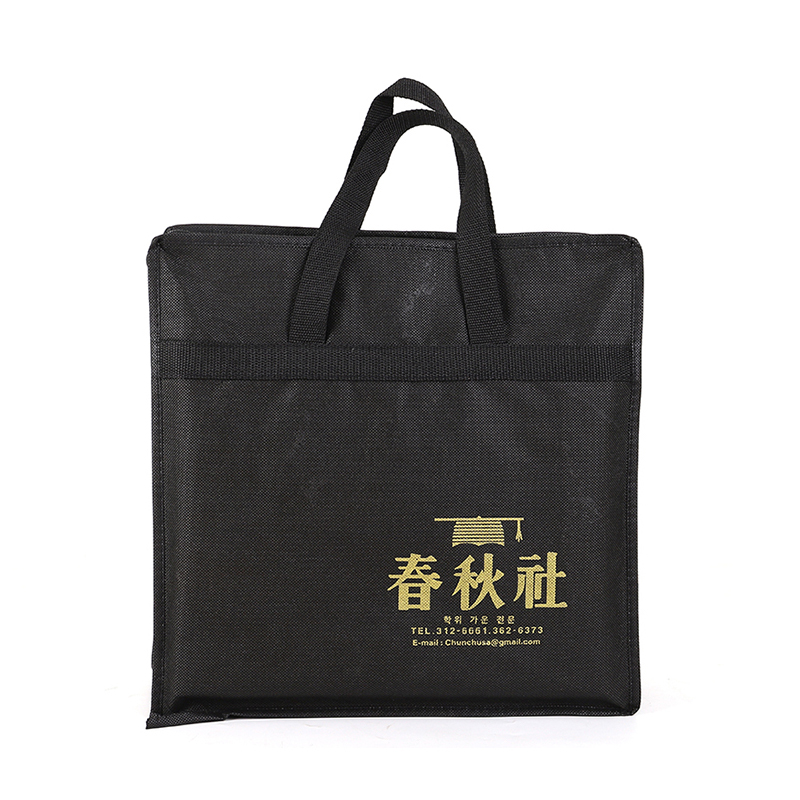
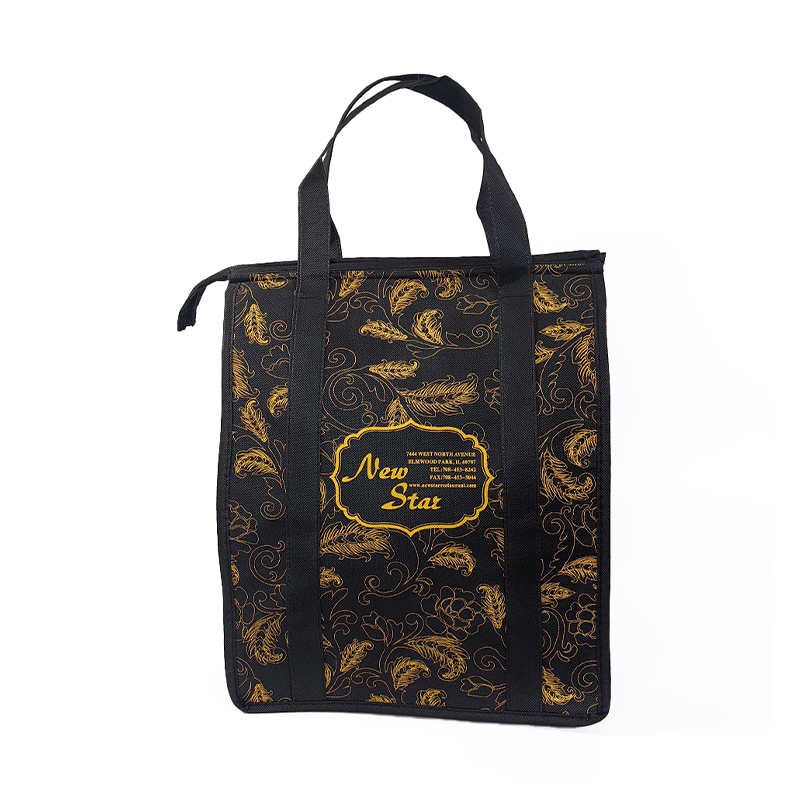
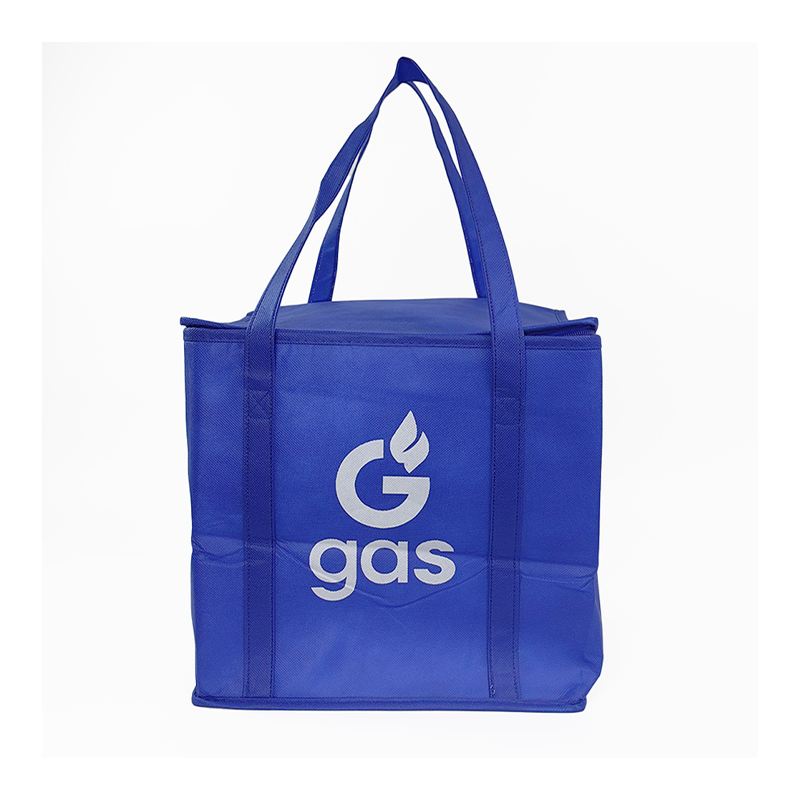
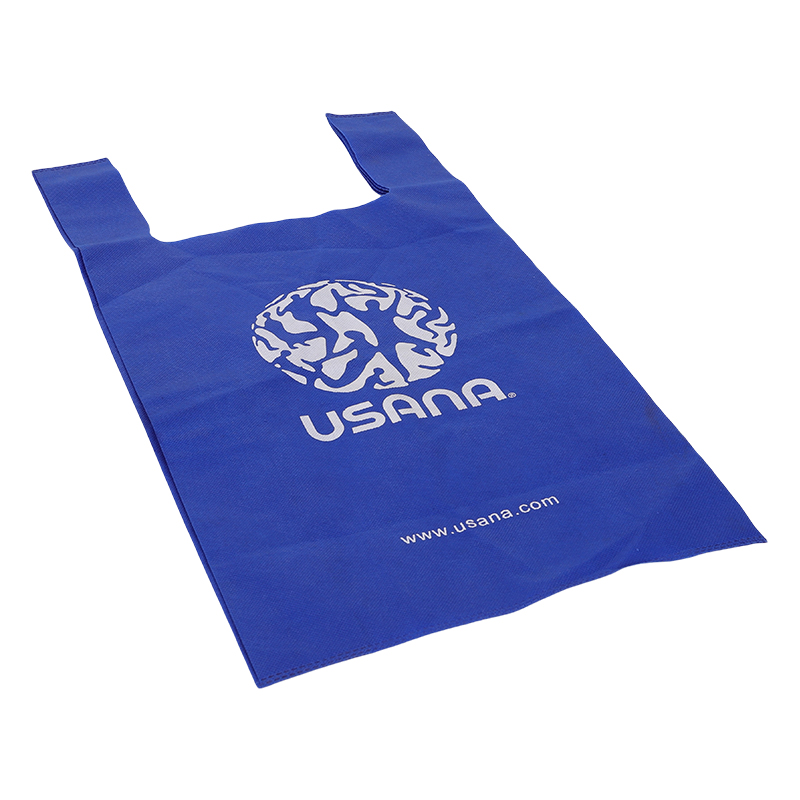
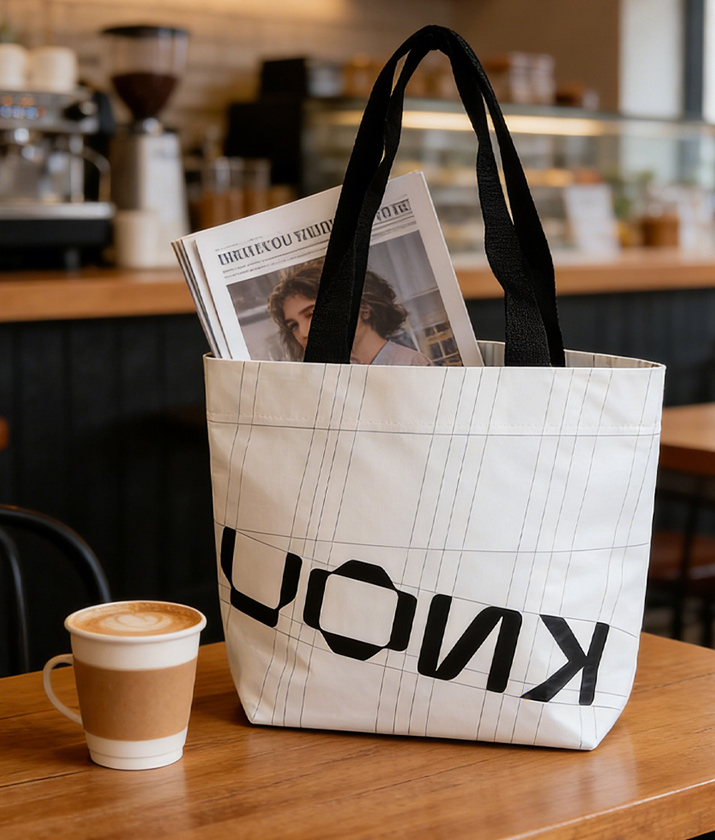
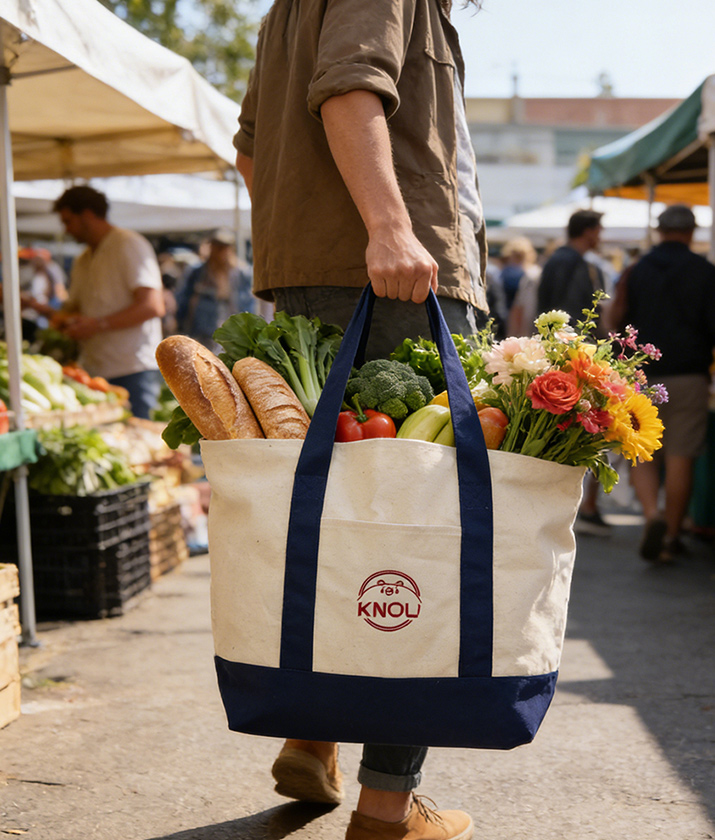
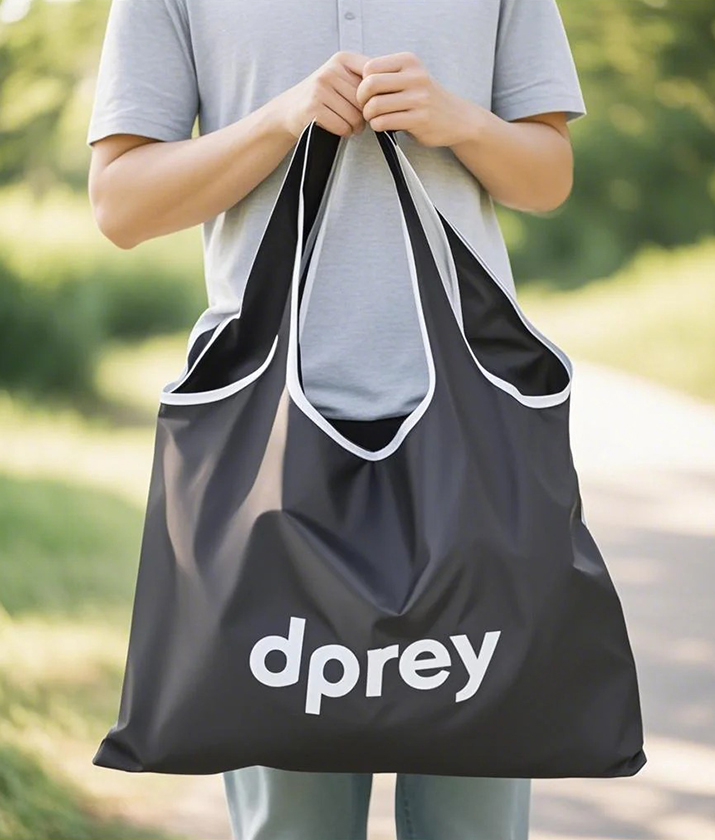
Retailers, supermarkets, promotional distributors, and purchasing companies often need shopping bags that can be produced in large quantities while carrying a consistent brand appearance. non woven reusable grocery bags are used across different retail programs because the material can be converted into practical bag structures and customized with colors, dimensions, printing, and handle configurations. For B2B buyers, the specification needs to cover the fabric, construction, load requirements, printing, packaging, and production quantity before bulk manufacturing begins.
Non-Woven Fabric Provides A Flexible Production Base
The main material used for non woven reusable grocery bags is non-woven fabric, which is formed into a sheet rather than woven from conventional yarn systems. Different fabric weights can be selected according to the intended application and required bag structure.
Material weight can influence the hand feel, stiffness, appearance, and carrying characteristics of the finished bag. A retail buyer may require one specification for lightweight promotional distribution and another for repeated shopping use.
For factory production, incoming fabric can be checked against the approved material specification before cutting. Width, weight, color, and surface condition are among the details that can be recorded for production control.
Bag Construction Depends On The Intended Use
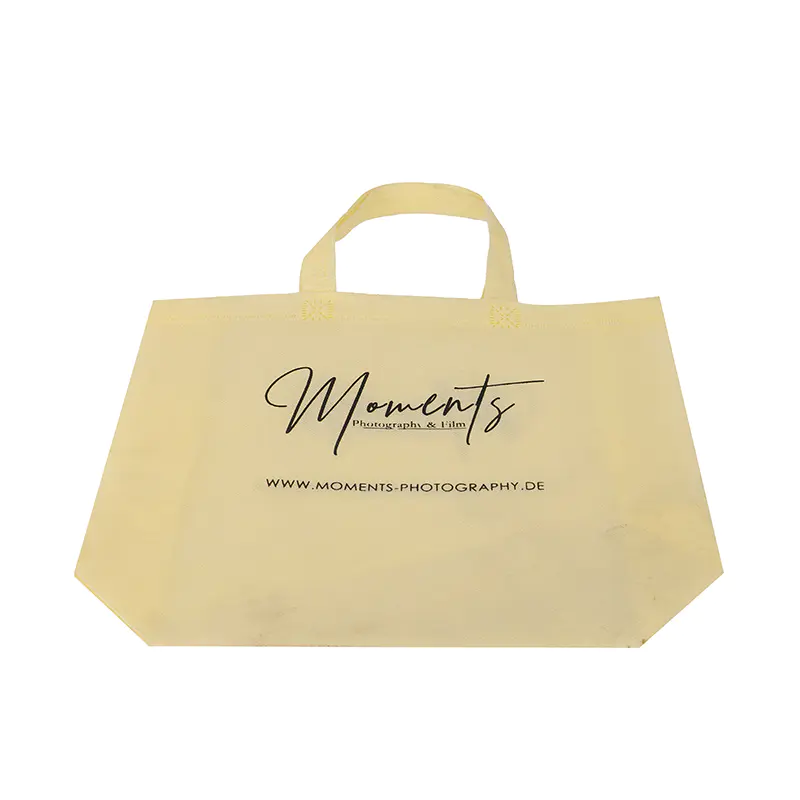
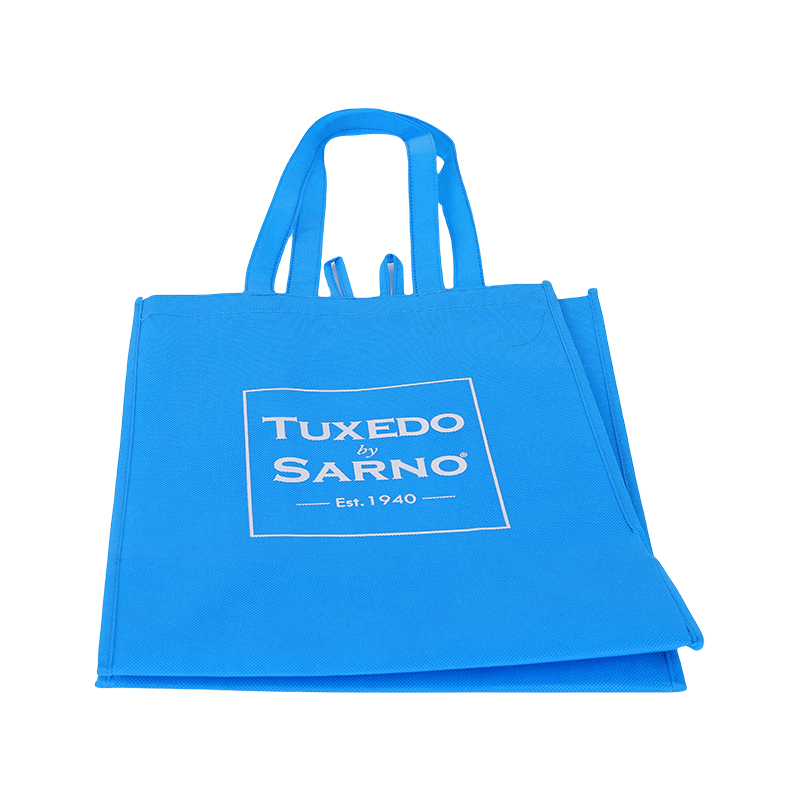
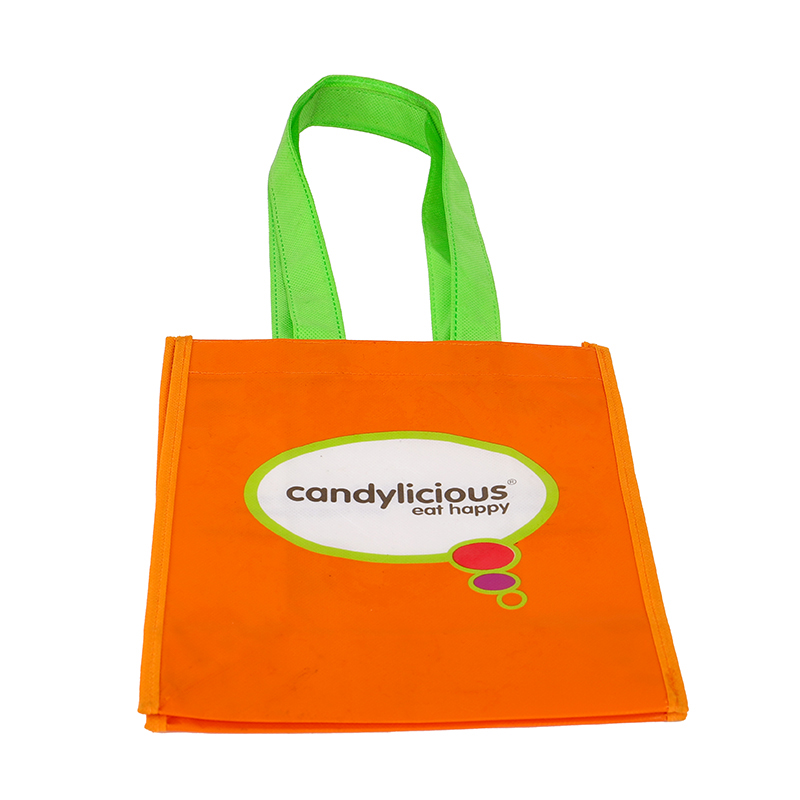
The structure of non woven reusable grocery bags can vary according to dimensions and carrying requirements. Bag width, height, gusset size, bottom construction, handle length, and reinforcement all influence the finished product.
For grocery and retail applications, a gusset can provide additional internal space while allowing the bag to maintain a practical shape when filled. Handle construction also needs to correspond with the bag size and intended load.
Buyers should provide finished dimensions rather than relying only on a reference image. A technical drawing or approved sample can give the factory a clear reference for cutting, sewing, ultrasonic processing, handle placement, and final inspection, depending on the selected construction.
Printing And Color Are Part Of The Specification
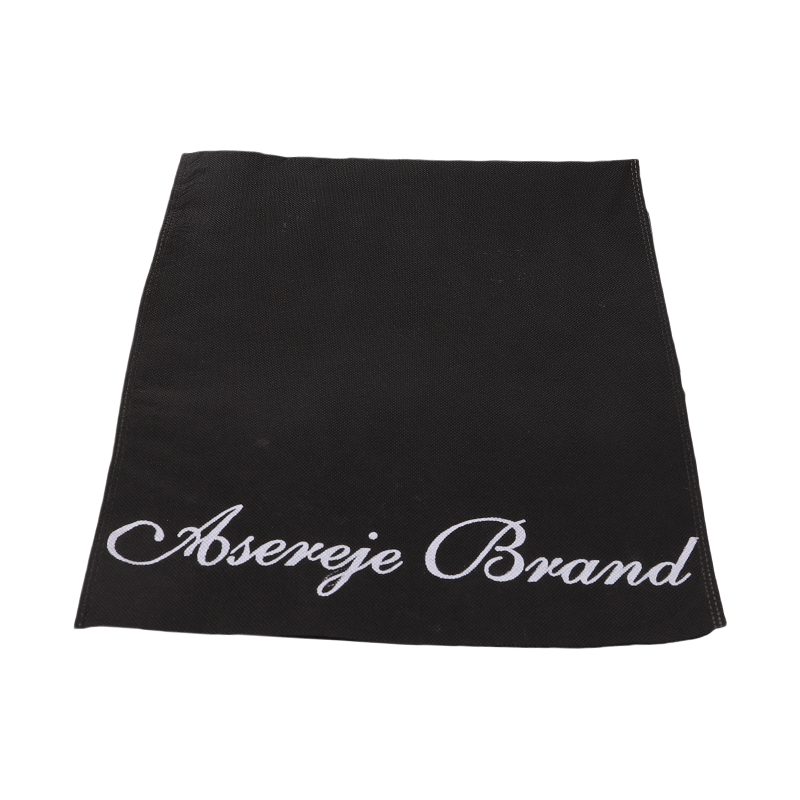
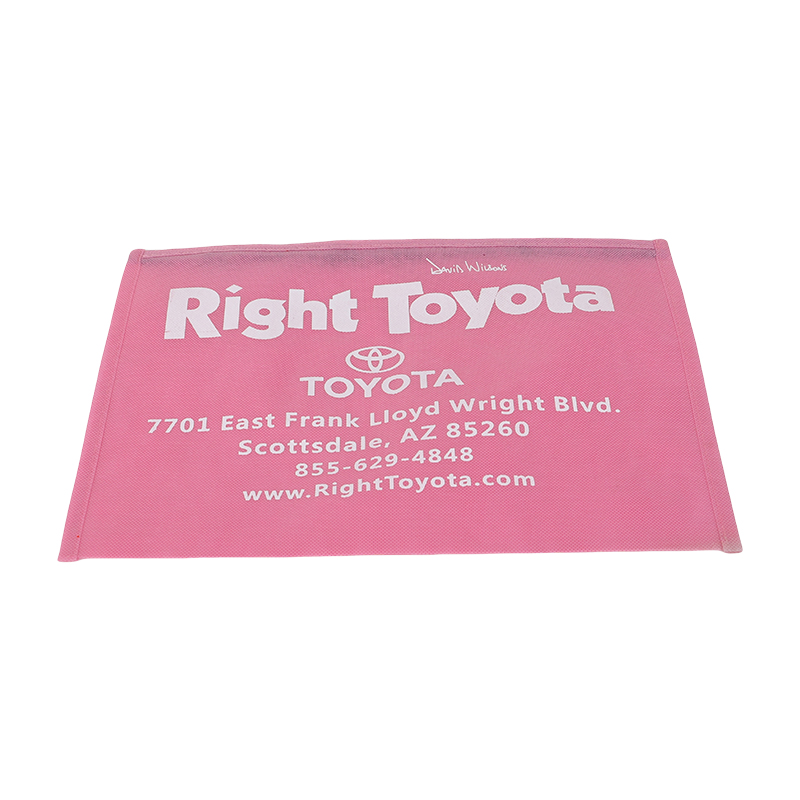
For branded non woven reusable grocery bags, printing is often an important part of the product configuration. Buyers may provide logos, artwork, text, colors, or other graphics that need to be reproduced on the bag surface.
Artwork should be confirmed before bulk production. The factory can review the printing position, dimensions, color requirements, and number of print areas before preparing the production setup.
The base fabric color also needs to be defined because it can affect the appearance of printed graphics. When several bag colors are included in one order, each version should have its own approved reference to reduce confusion during production.
Key Specifications For Bulk Purchasing
|
Procurement Detail |
Buyer Should Confirm |
Factory Production Focus |
|
Fabric |
Material type and weight |
Incoming material inspection |
|
Bag size |
Width, height, and gusset |
Cutting dimensions |
|
Handle |
Material, length, and position |
Handle attachment |
|
Bottom |
Flat or gusseted construction |
Structural assembly |
|
Printing |
Artwork, size, and position |
Printing process |
|
Color |
Fabric and print colors |
Color matching |
|
Quantity |
Units per style and order |
Batch production planning |
|
Packaging |
Inner and carton quantities |
Final packing |
For non woven reusable grocery bags, confirming these details before production helps purchasing teams avoid ambiguity when different sizes, colors, or printed designs are included in the same order.
Customization For Retail And Promotional Orders
A manufacturer producing non woven reusable grocery bags can work with different combinations of fabric weight, dimensions, colors, handles, printing, and packaging. Retail chains may require a standardized bag across multiple locations, while promotional distributors may order several designs for different campaigns.
Private-label projects can also include customized labels, packaging, or printed information. These details should be included in the approved production specification rather than added after manufacturing begins.
For repeat orders, retaining the original sample, artwork file, dimensions, material specification, and packaging requirements can help the factory reproduce the same configuration. This is particularly relevant for buyers who need consistent bags across several purchasing cycles.
Factory Quality Checks Before Shipment
Quality inspection of non woven reusable grocery bags can cover fabric condition, finished dimensions, handle attachment, stitching or bonding, printing position, color consistency, and visible defects.
Sampling or full inspection procedures can be arranged according to the buyer's requirements and order quantity. Particular attention can be given to handle attachment and bottom construction because these areas directly relate to the physical structure of the finished bag.
Packaging inspection also forms part of the final production stage. Individual bags can be counted and grouped according to size, color, design, or packaging requirements before cartons are sealed.
For overseas B2B buyers, clear product identification on cartons can simplify receiving and warehouse management after shipment. Style numbers, quantities, colors, and other agreed information can be matched against the packing list.
When purchasing non woven reusable grocery bags in bulk, the product specification therefore works as a link between design and manufacturing. Defining material weight, dimensions, construction, printing, handles, packaging, and inspection requirements gives the factory a practical reference for producing consistent retail bags across the order.
Recommended Products